How to Filter High Spring Pollen Counts Out of Open Concept Homes?
Spring air can feel fresh outside, but it can quickly turn your open concept home into a pollen highway. One open kitchen, one big living area, and one long sight line can let airborne pollen move almost everywhere.
That is why many people feel like they clean one room, yet their symptoms stay the same. The good news is that you do not need a full remodel to make a real difference.
This guide gives you clear steps that work in real homes. You will learn how to stop pollen at the door, trap what gets inside, and clean your air without making daily life harder.
Key Takeaways
- Your first job is to stop new pollen from getting inside. Keep doors and windows closed on high pollen days. Use air conditioning when needed. Create a shoe off routine at the entry. Less pollen in means less pollen to remove later.
- A portable HEPA air cleaner can help a lot in an open concept home, but size matters. A unit that is too small will not keep up with a large shared area. Measure the room and choose a cleaner made for that size. If the space is very large, use more than one unit.
- Your HVAC system can help filter the whole home if you use the right filter and enough fan time. Many homes do better with a higher rated filter, but you must make sure your system can handle it. A good filter that fits well can catch much more pollen than a loose filter.
- Cleaning method matters as much as cleaning effort. Dry dusting can throw pollen back into the air. Use a damp cloth on hard surfaces, then vacuum with a HEPA vacuum, then mop. Clean top to bottom so you do not redo your work.
- Your daily habits move pollen around more than you think. Shoes, jackets, hair, bags, pets, and laundry can carry pollen into the home. A short after outside routine can cut indoor spread in a big way. This is one of the easiest fixes for busy homes.
- Open concept homes need layers of control, not one magic fix. Air cleaners, better filters, closed windows, entry habits, and smart cleaning work best together. One step helps, but stacked steps work much better when spring counts rise.
Why Open Concept Homes Feel Worse During Pollen Season
Open concept homes look bright and airy, but they also let airborne particles travel farther. In a closed room, pollen may stay more limited. In a large shared space, air moves from the kitchen to the living area and then to hallways and bedrooms more easily.
That means one open door, one person walking in, or one pet brushing against the sofa can spread pollen across a wide area. Open flow helps air move, but it also helps allergens move. This is the main reason symptoms can feel stronger in these homes.
Another issue is ceiling height. Many open concept homes have tall ceilings and larger air volume. That can make one small air cleaner work less well than expected.
Pros: Open layouts are easier to monitor and clean as one zone.
Cons: Pollen spreads faster, settles across more surfaces, and is harder to isolate.
The fix is to think in layers. You need to reduce entry, improve filtration, and clean in a smarter order.
Check Daily Pollen Levels Before You Open Anything
The simplest fix often starts before pollen enters the house. Check your local pollen level each morning during spring. High counts often show up on dry, warm, windy days. Rain can lower pollen for a short time, but counts may rise again after surfaces dry.
This habit helps you decide when to keep windows shut and when to limit time with doors open. A two minute check can prevent hours of indoor exposure. If you already know it is a high day, you can turn on air cleaners early and keep entry traffic tighter.
You do not need to obsess over numbers. You only need a basic plan. Low day means normal caution. Medium day means keep windows closed. High day means full pollen defense.
Pros: Free, fast, and easy to turn into a routine.
Cons: It only helps if you act on the forecast.
This step works best when paired with entry control and filtration inside the home.
Build a Clean Entry Routine at the Door
Your front door is one of the biggest pollen transfer points in the whole house. A simple routine at the entry can cut indoor spread more than many people expect. Take shoes off at the door. Hang jackets away from the main living space. Keep bags off the sofa and dining chairs.
If you have room, place a washable mat both outside and inside the door. That gives shoes two chances to drop debris before it travels across the floor. The goal is simple. Stop pollen before it joins your airflow.
If you have severe symptoms, change clothes after long outdoor time and wash your face or shower before settling into the couch or bed. Hair carries pollen too.
Pros: Low cost, easy to start today, and very effective.
Cons: It needs daily follow through from everyone in the home.
In open concept homes, entry habits matter more because one small mess can spread into one large space very quickly.
Use Portable HEPA Air Cleaners the Right Way
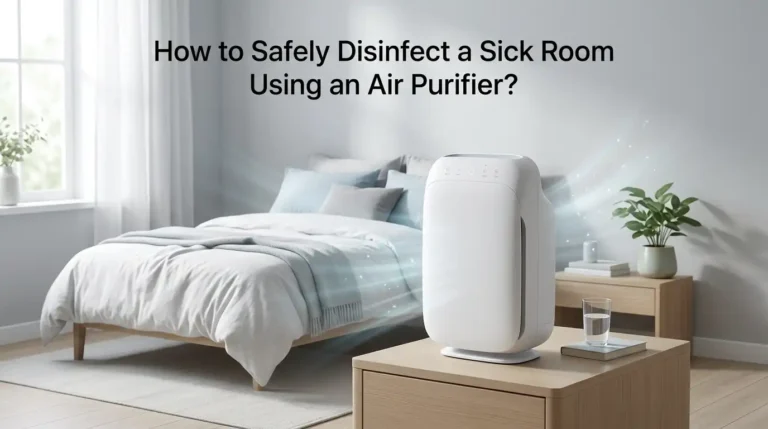
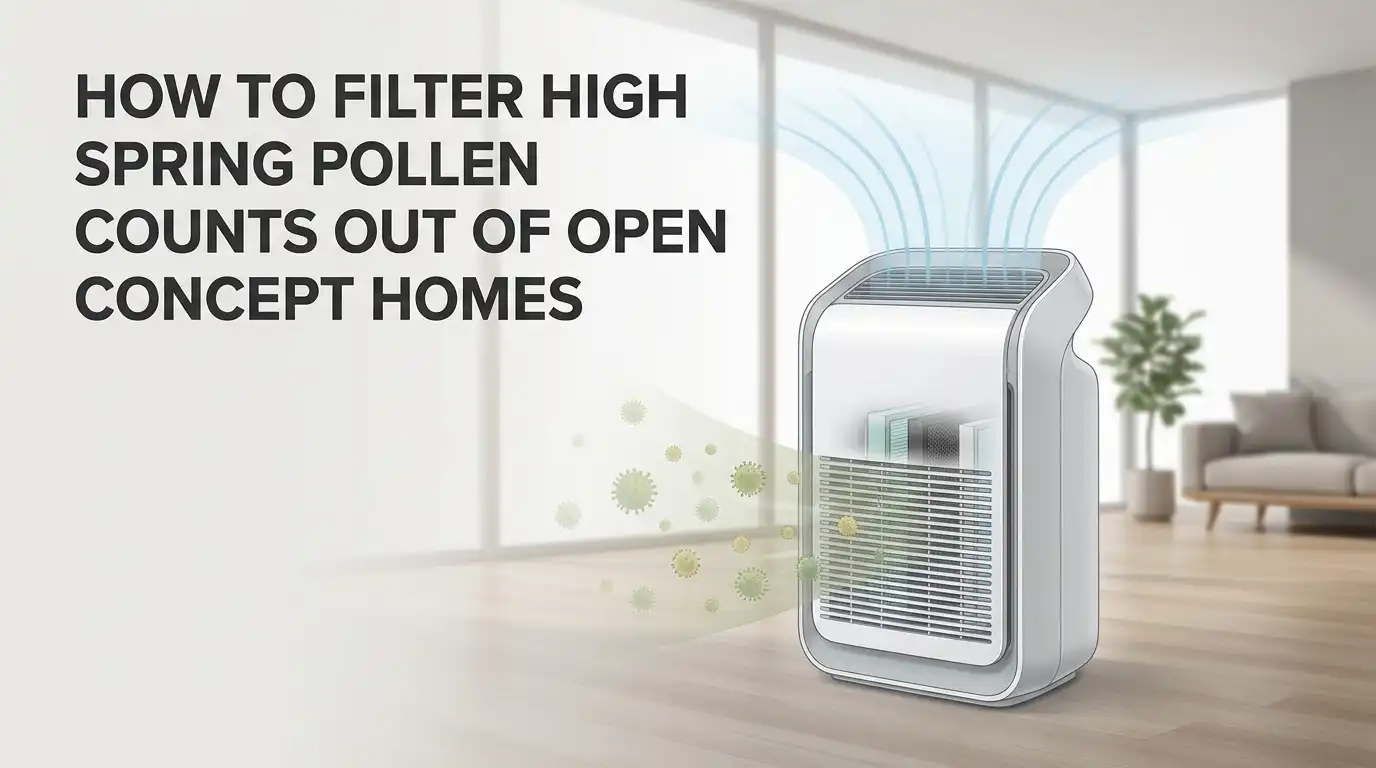
A portable HEPA air cleaner is one of the strongest tools for spring pollen. True HEPA filtration can capture at least 99.97 percent of certain tiny airborne particles, and pollen is large enough to be trapped well. But placement and size matter a lot.
Put the unit where you spend the most time. In many open concept homes, that is the main living area. Measure the space and choose a cleaner rated for that room size. If your ceiling is high or your layout is very wide, one unit may not be enough.
Run it on a higher setting when pollen counts are high. Keep doors and windows closed so the cleaner is not fighting a steady stream of new particles. A good cleaner helps most when it runs long enough and fits the room.
Pros: Strong filtration, simple setup, good for shared living zones.
Cons: Noise, filter cost, and weak results if the unit is too small.
Also skip machines that make ozone. They can irritate lungs and do not solve the pollen problem well.
Upgrade Your HVAC Filter Without Hurting Airflow
Your HVAC system can act like a whole home pollen catcher, but only if the filter is doing real work. A better filter can trap more particles than a basic one. Many homes improve air cleaning by moving up from a low grade filter to a higher rated one, often as high as the system can safely handle.
A tighter filter can help, but a filter that is too restrictive for your system can reduce airflow. Check your HVAC manual or ask a professional before jumping to the highest rating. Make sure the filter fits snugly with no side gaps.
A great filter with air leaks is not a great filter. Fit matters as much as rating.
Pros: Filters the air that moves through the whole system and reaches many rooms.
Cons: Wrong filter choice can strain airflow, and replacement cost can rise.
Check the filter often during spring. Heavy pollen can load it faster than usual.
Run the Central Fan Longer for Better Whole Home Filtering
Many people forget that HVAC filters only clean air when the fan is moving air through them. If the system runs only during heating or cooling calls, filtration time may be too short on mild spring days. Setting the fan to run longer can improve whole home pollen capture.
This is especially helpful in open concept homes where air from one large area keeps circulating. More fan time means more passes through the filter. More passes often mean less floating pollen. If your system allows it, try a fan setting that runs more often during peak pollen weeks.
Watch comfort and energy use. You do not always need nonstop fan time. A planned schedule may be enough. More filtered airflow often beats more cleaning.
Pros: Uses the system you already have and supports whole home filtration.
Cons: Can increase energy use and may spread dust if ducts are dirty.
If your ducts are overdue for attention, clean maintenance should come before longer fan cycles.
Close Leaks Around Windows, Doors, and Vents
Even with windows shut, pollen can still enter through small leaks. Gaps around doors, window frames, and poorly sealed return areas can pull outdoor air inside. In an open concept home, that steady leak can spread quickly through the shared space.
Walk around your home and look for drafts. Check weather stripping on doors. Look at window locks and seals. Inspect areas where air seems to move on windy days. If you find a gap, seal it with the right material for that spot.
This step does not sound exciting, but it works. Less air leakage means less unfiltered pollen entry. It also supports your air cleaner and HVAC filter by lowering the load they must handle.
Pros: Helps year round, improves comfort, and reduces outside particle entry.
Cons: Takes time to inspect well, and some leaks need repair work.
Do not forget attic access points and door sweeps. Small gaps add up fast during spring wind.
Clean Floors, Fabrics, and Surfaces in the Right Order
Pollen does not stay in the air forever. It lands on floors, tables, curtains, blankets, and sofas. If you clean the wrong way, you send part of it back into the air. That is why method matters.
Start high and move low. Use a damp cloth on shelves, tables, and window sills. Then vacuum with a HEPA vacuum. Finish by mopping hard floors. Wash throws, pillow covers, and other soft items often during peak season. If possible, use washable curtains in heavy pollen months.
Keep each cleaning session simple and repeatable. A light routine done often beats a huge deep clean done rarely.
Pros: Removes settled pollen and gives fast symptom relief.
Cons: Takes steady effort, and dry dusting can make things worse.
If you have carpet in part of the open area, vacuum at least weekly, and more often if foot traffic is high.
Control Humidity and Moisture So Irritants Do Not Pile Up
Pollen may be the main spring issue, but moisture can make the home feel even worse. High indoor humidity does not create pollen, yet it can support mold growth and dust mite activity. That adds more triggers to the same air your family already struggles with.
Try to keep indoor humidity in a healthy middle range. Use bathroom exhaust fans during showers. Use kitchen ventilation when cooking. Fix leaks fast. If a basement or lower level feels damp, a dehumidifier can help.
In an open concept home, moisture from one area can affect a much larger zone. Cleaner air is easier when you remove extra irritants, not just pollen.
Pros: Reduces mold risk, supports comfort, and lowers total allergen load.
Cons: Dehumidifiers need upkeep, and over drying air can feel uncomfortable.
Think of this step as clearing the stage. When you reduce moisture problems, pollen control works better and symptoms become easier to manage.
Manage Windows, Cooking, and Bathroom Airflow Wisely
Fresh air sounds helpful, but on high pollen days it can work against you. Keep windows closed during heavy pollen periods. Use air conditioning if needed. In kitchens and baths, vent moisture and cooking fumes the right way so indoor air stays cleaner overall.
A vented kitchen hood that sends air outside can help remove cooking particles and moisture. Bathroom exhaust fans help lower dampness after showers. These steps do not filter pollen directly, but they reduce other irritants that can make noses and eyes feel worse.
If you love opening windows, be strategic. Choose lower pollen times only when local counts drop. Nice weather should not trick you into filling your home with allergens.
Pros: Helps overall indoor air quality and lowers moisture buildup.
Cons: Open windows can quickly raise indoor pollen, and some range hoods only recirculate air.
Smart airflow choices protect all the other work you do indoors.
Reduce Pollen from Pets, Laundry, and Daily Movement
People are not the only pollen carriers. Pets bring it in on fur and paws. Laundry can collect it if you dry clothes outside. Even walking from room to room can lift settled particles from rugs and soft furniture.
Wipe pet paws after walks. Brush pets outside if possible. Wash pet bedding often. If your pet sleeps on the sofa, clean that area more often during spring. Dry clothes indoors during peak pollen weeks, or use a dryer instead of an outdoor line.
Try to keep outdoor clothes out of the bedroom. This matters because bedding and pillows sit close to your nose for hours every night. What touches soft fabric tends to stay there longer.
Pros: Cuts hidden transfer points that many households miss.
Cons: It adds small chores to the day, and pet owners need extra consistency.
These steps are easy to overlook, but they often explain why symptoms stay strong even after cleaning.
Try a DIY Air Cleaner If You Need a Low Cost Backup
If you need extra help and your budget is tight, a DIY air cleaner made with a newer box fan and a good filter can be a useful backup. Current safety guidance supports newer fan models when they are used with care and kept clear of obstructions.
This option can help in a large open area where one main cleaner is not enough. It can also support a temporary clean zone during peak weeks. Still, it is not a perfect substitute for a properly sized HEPA unit.
Use only newer fans, follow safety directions, and never ignore filter changes. Keep children safe around the fan and make sure smoke detectors work in the home. Low cost does not mean low attention.
Pros: Lower cost and helpful for extra filtration support.
Cons: Bulkier look, more noise, and more care needed for safety and filter changes.
If you want the simplest long term setup, a standard HEPA cleaner is usually easier to live with.
Build a Simple Spring Pollen Plan That You Can Stick To
The best plan is the one your household will actually follow. You do not need ten new chores every day. You need a short list that fits real life. Check the pollen level. Keep windows closed on bad days. Remove shoes at the door. Run the air cleaner. Use the right HVAC filter. Clean in the right order.
Write your routine down and keep it visible for two weeks. Once everyone follows it, the steps start to feel normal. Open concept homes respond well to consistency because the whole space shares the same air.
You are not trying to create a perfect home. You are trying to create a lower pollen home. That goal is realistic and often enough to bring real relief.
Pros: Easy to maintain and less stressful than random fixes.
Cons: Results build over time, so you need patience and consistency.
If your symptoms remain severe, talk with a healthcare professional while you improve your indoor routine.
FAQs
How many air cleaners do I need for an open concept home?
Start with the main shared area where people spend the most time. If the room is very large, has high ceilings, or includes several connected zones, one unit may be too small. In that case, two properly sized units often work better than one running at full speed all day.
How often should I change my HVAC filter during spring?
Check it more often than usual during peak pollen season. Many homes need a closer look every few weeks. If the filter looks dirty early, replace it early. A loaded filter cannot trap pollen as well, and airflow can drop.
Is it okay to open windows at night if the weather feels nice?
It depends on the local pollen level. If counts stay high, open windows can still bring pollen inside fast. On lower count days, a short airing out may be fine. For people with strong symptoms, keeping windows closed during peak season is often the safer choice.
Will a humidifier help with spring pollen?
A humidifier does not remove pollen. It may help if your indoor air feels very dry, but too much moisture can add other problems like mold. Focus first on filtration, closed windows, entry control, and smart cleaning. Then adjust humidity only if your home truly needs it.
Can I solve the problem with cleaning alone?
Cleaning helps, but cleaning alone is usually not enough in an open concept home. You also need to stop new pollen from entering and filter the air already inside. The best results come from using several simple steps together.

I’m Maya Brown, the voice behind Pure Breeze Vault. I write detailed, honest, and easy-to-follow air purifier reviews to help readers compare features, understand filter technologies, and choose products with confidence. My goal is to make research simpler, clearer, and more practical for anyone improving indoor air quality at home.