How to Stop an Air Purifier From Emitting a Weird Sour Smell?
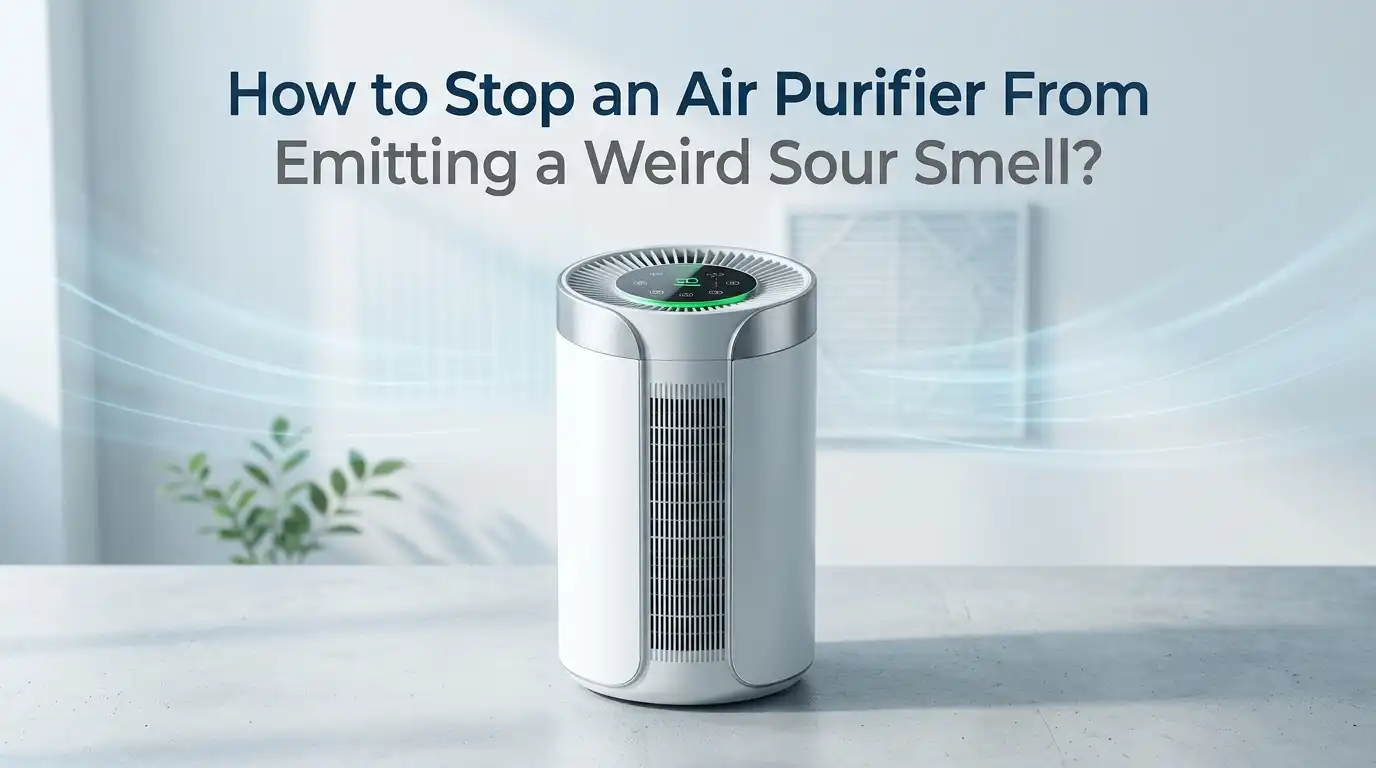
Your air purifier should make your home smell fresh. But sometimes it does the opposite. Instead of clean air, you get a strange sour smell that fills the room. This issue confuses many users, and it can ruin your indoor comfort fast.
The sour odor often comes from a buildup on the filter. It can also signal trapped moisture, bacteria, or chemical reactions inside the unit. The good news is that you can fix it at home in most cases. You just need the right steps and a little patience.
This guide walks you through every cause and every solution. You will learn how to clean, dry, replace, and maintain your purifier the right way. By the end, your unit will run quiet, clean, and odor free again.
Key Takeaways
- A sour smell often means acetic acid buildup on the carbon filter. This happens when the filter absorbs too many household pollutants like formaldehyde, cooking fumes, and sweat particles.
- Moisture is the second biggest cause. Damp filters grow bacteria, mold, and yeast, which release a tangy or sour odor into the room.
- Cleaning the pre filter every two weeks stops most odor problems before they start. A vacuum or a soft brush works well for this task.
- HEPA and carbon filters have a lifespan. Most last six to twelve months. After that, they release more smell than they absorb.
- Placement matters more than people think. A purifier near a kitchen, bathroom, or wet basement will pick up odors faster and need cleaning more often.
- Always unplug the unit before cleaning. Water and electricity do not mix, and most filters need full drying time before reuse.
Why Your Air Purifier Smells Sour in the First Place
A sour smell rarely comes from the machine itself. It usually comes from what the machine has trapped over time. Air purifiers pull in everything floating in your room, including sweat, food vapor, pet dander, and chemical fumes.
These particles stick to the carbon filter. Over weeks, they react with air and moisture. The result is acetic acid, which has a sharp vinegar like smell. That is the sour odor you keep noticing.
In some cases, the smell points to bacterial growth inside a damp filter. Bacteria love warm, moist surfaces. Once they settle in, they release waste that smells tangy and unpleasant. Knowing the cause helps you pick the right fix.
Check the Pre Filter First for Dust Buildup
The pre filter is the first line of defense in your purifier. It traps large particles like hair, lint, and dust. When this layer gets clogged, it holds moisture and traps odors close to the motor.
Open your purifier and pull out the pre filter. Look for a thick gray or brown coat of dust. If you see one, that is likely your odor source. A dirty pre filter blocks airflow and stresses the inner filters too.
Pros of cleaning the pre filter:
It is free, fast, and removes most light odors right away.
Cons of cleaning the pre filter:
It only works for surface level smells. Deep odors inside the HEPA layer will need more steps.
Clean the HEPA Filter the Right Way
The HEPA filter catches very small particles. It is the heart of your air purifier. Most HEPA filters are not washable, so check your manual before you do anything.
If your filter is washable, rinse it under cool water. Never use soap or hot water because both can damage the fibers. Tap it gently to remove loose dust, then air dry it for at least 24 hours.
If your filter is not washable, use a vacuum with a soft brush attachment. Run it over both sides of the filter to lift trapped dust.
Pros: Cleaning extends filter life and clears mild sour smells.
Cons: Wet HEPA filters lose efficiency, and improper drying causes mold.
Replace the Carbon Filter When the Smell Returns
Carbon filters absorb gases and odors. They cannot be cleaned the way pre filters can. Once they fill up, they start releasing the smells they once trapped. This is the most common reason for a sour odor.
Pull out the carbon filter and smell it directly. If it smells sharp, sour, or musty, it is done. No amount of cleaning will save it. A new carbon filter is the only real fix.
Most carbon filters last between three and six months in busy homes. In light use rooms, they may last longer.
Pros: A new filter restores full odor removal power instantly.
Cons: Replacement filters cost money, and some brands are hard to source locally.
Dry Out a Damp Filter to Stop Bacterial Growth
Moisture is the silent killer of air purifiers. A damp filter is a perfect home for bacteria, mold, and yeast. These microbes give off a sour, tangy smell that gets worse over time.
If your room has high humidity, your filter is at risk. Take the filter out and place it in direct sunlight for two to three hours. Sunlight kills many microbes naturally and dries the fibers.
After drying, run the purifier on its highest setting for ten minutes in an open area. This blows out any leftover dust and moisture.
Pros: Drying is free and works well for early stage bacterial smells.
Cons: It only helps if the filter is not too far gone. Heavy mold needs full replacement.
Wipe Down the Inner Housing of the Unit
People often forget that the inside of the purifier itself collects grime. Dust, hair, and oily residue settle on the fan blades, sensors, and inner walls. This buildup can hold smells even after you clean the filters.
Unplug the unit first. Use a dry microfiber cloth to wipe the inside walls. For sticky spots, use a cloth lightly damp with white vinegar. Vinegar kills bacteria and breaks down oily film without leaving a strong scent.
Let the inside dry fully before you put the filters back in.
Pros: Cleaning the housing removes hidden odor sources you cannot see.
Cons: It takes more time, and some units have tight spaces that are hard to reach.
Move the Purifier Away From Smelly Areas
Where you place your air purifier matters a lot. A unit near the kitchen pulls in cooking grease and food smells. A unit near a bathroom pulls in moisture and steam. Both speed up filter damage.
Move your purifier to a spot with cleaner air, like a bedroom or living room corner. Keep it at least three feet away from walls and furniture. This gives the unit better airflow and slows down odor buildup.
Also avoid placing it near pet beds, litter boxes, or laundry hampers.
Pros: Better placement extends filter life and reduces sour smells naturally.
Cons: Some homes have limited space, so the ideal spot is not always possible.
Lower the Humidity in Your Room
High humidity is a top cause of sour smelling filters. When the air holds too much water, your purifier soaks it up and stays damp inside. Damp filters grow microbes fast.
Use a dehumidifier in rooms with humidity above 60 percent. Aim for an indoor humidity level between 40 and 50 percent. This range keeps your air comfortable and your filters dry.
You can also open windows for short periods to let fresh air move through. Just avoid doing this during heavy pollen or smoke days.
Pros: Lower humidity protects every filter type and stops mold growth.
Cons: Dehumidifiers use electricity and need their own cleaning routine.
Run the Purifier on a Higher Speed Often
Some users keep their purifier on the lowest setting all the time. This causes slow airflow and lets moisture sit inside the unit. Slow speeds also let particles settle on the filter rather than passing through quickly.
Run your purifier on medium or high for at least one hour each day. High airflow helps dry out the filter and prevents bacterial buildup. It also cycles room air faster, which keeps the whole space fresher.
If your unit has an auto mode, use it. Auto mode adjusts speed based on real time air quality.
Pros: Higher speeds reduce odor risk and improve cleaning power.
Cons: Higher speeds use more energy and make more noise.
Use Activated Charcoal Boosters Inside the Room
Sometimes the smell lingers in the room even after you fix the unit. Activated charcoal absorbs odors from the air around your purifier. This takes pressure off the filter and slows down sour smell return.
Place small bowls of activated charcoal near your purifier. Replace the charcoal every four to six weeks for best results. You can also use bamboo charcoal bags, which last longer.
This trick works great in small rooms, closets, and basements.
Pros: Charcoal is cheap, safe, and chemical free.
Cons: It works slowly and cannot replace a real filter change.
Schedule Regular Maintenance Every Month
Most sour smells come from neglect. People buy a purifier, plug it in, and forget about it for a year. Filters need attention, just like any other appliance.
Set a monthly reminder to check your unit. Look at the filter color, smell test it, and clean the pre filter. A five minute checkup once a month saves you from bigger problems later.
Keep a small log of your filter changes too. This helps you know when the next swap is due.
Pros: Routine care prevents almost all sour smell issues.
Cons: It requires consistency, and busy households may forget.
Know When to Replace the Whole Unit
Sometimes the purifier itself is the problem. Older units develop motor issues, electrical wear, and plastic breakdown. These can release sour, burnt, or chemical smells that no cleaning will fix.
If your purifier is more than five years old and the smell keeps coming back, it may be time for a new one. Check the motor for unusual heat or noise. A hot motor is a clear sign of trouble.
A modern unit will run cleaner, quieter, and use less energy too.
Pros: A new unit solves chronic odor problems and improves air quality.
Cons: It costs more upfront than filter replacement.
FAQs
Why does my air purifier smell sour even after I changed the filter?
The smell may come from the inner housing or fan. Wipe down the inside of the unit with a vinegar dampened cloth. Also check the pre filter and dry it fully. Lingering humidity in the room can also make a new filter smell sour fast.
Can I wash my HEPA filter to remove the sour smell?
Only if the manual says it is washable. Most HEPA filters are not washable and will lose function if rinsed. For non washable types, vacuum the surface gently. If the smell stays, replace the filter.
How long should an air purifier filter last before it smells bad?
Carbon filters last three to six months in busy homes. HEPA filters last six to twelve months on average. Pre filters last longer with regular cleaning. Heavy cooking, pets, and smoking shorten all filter lifespans.
Is a sour smell from an air purifier dangerous?
The smell itself is usually not toxic. But it points to bacteria, mold, or chemical buildup that can affect indoor air quality. People with asthma or allergies should fix the smell quickly. Replace the filter and clean the unit right away.
Does running the purifier all the time make the smell worse?
Not always. Running it on low for too long can let moisture build up. Switching between medium and high speeds helps keep the filter dry. Constant use is fine if you maintain the unit each month.

I’m Maya Brown, the voice behind Pure Breeze Vault. I write detailed, honest, and easy-to-follow air purifier reviews to help readers compare features, understand filter technologies, and choose products with confidence. My goal is to make research simpler, clearer, and more practical for anyone improving indoor air quality at home.