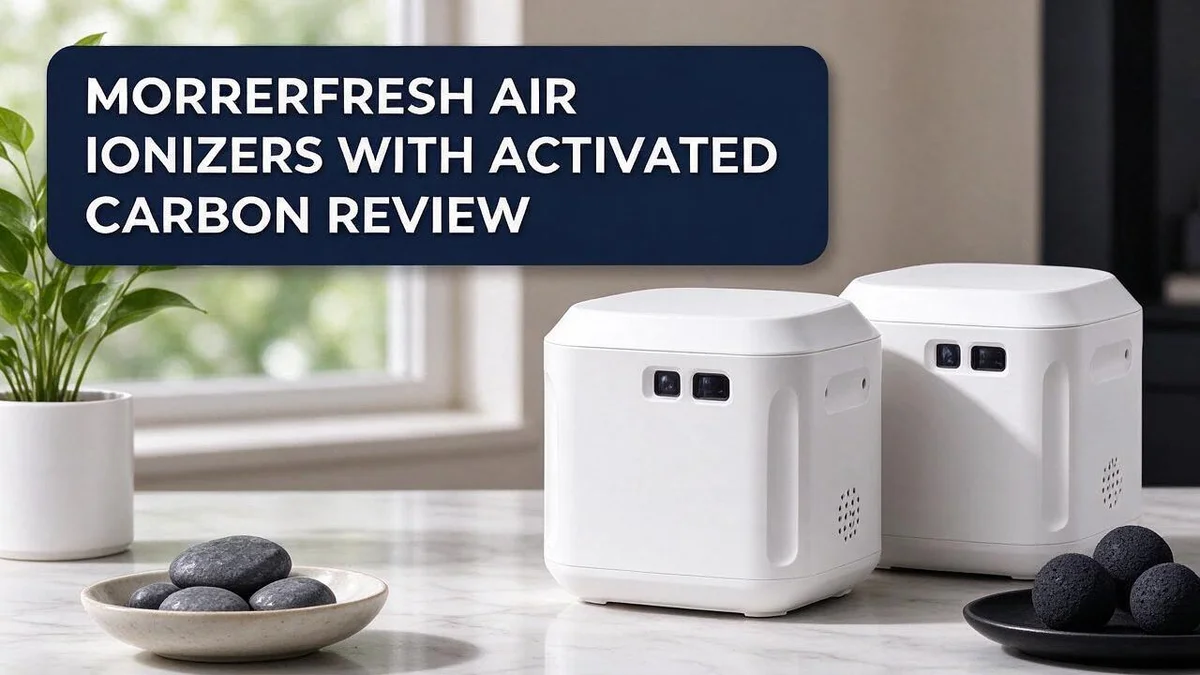
Morrerfresh Air Ionizers with Activated Carbon Review
Stale air can make a home feel heavy. Many people look for a simple way to freshen up a room. The Morrerfresh air ionizer with activated carbon promises just that.
Here is what the listings show. The product appears in several places online. One version plugs into a standard outlet and uses about 1 watt.
Another version targets cat litter odors. It combines activated carbon with negative ions and runs at a noise level of 35.
Check the exact model first. The brand also markets an ozone based odor eliminator. Ozone works differently from ionization. At high levels, it can irritate the lungs, so you should confirm what you are buying.
This review looks at what the research reveals. We also flag what is still unclear. Let us dig in.
In a Nutshell
- Review data is still thin. Most sources are product listings and a social post, not real user reviews. Readers should keep this in mind before they decide.
- Power use stays low. The unit draws about 1 watt and runs all the time. It plugs into a standard wall outlet, so it needs no special setup.
- The noise level sounds quiet. The cat litter version lists a noise rating of 35. That suggests it may work in a bedroom or office without much sound.
- Ozone safety needs a check. One TikTok source describes ozone rather than ionization. Ozone can irritate the lungs at high levels, so confirm the technology before you use it in a closed room.
- Air Tamer is a close rival. It is an ionizing personal purifier mentioned in a Facebook post. Activated carbon purifiers offer a different way to tackle odors, so comparing both types can help you choose.
- Clear answers are still missing. The research does not list any pros, cons, or brand-specific competitors. Hands-on testing or more independent reviews would give a fuller picture.
Purification Technology and Safety Concerns

Last update on 2026-11-19 / Affiliate links / Images from Amazon Product Advertising API
Ionizers and activated carbon work in very different ways. An ionizer releases charged particles into the air. These particles cling to dust and smoke, so they drop onto floors and furniture. Activated carbon takes a different path. Its porous surface traps odor molecules as air moves through it.
Odor gases are a special challenge. Pet litter smells come from gases, not solid dust. Many shoppers assume ionizers handle every smell, but that belief is wrong. A carbon layer matters for cat owners. Still, carbon needs regular replacement, because the pores fill up over time.
Ozone is a separate issue. Ozone generators create ozone on purpose so it can react with smells. The United States Environmental Protection Agency advises against using ozone generators in occupied indoor spaces. Ozone can irritate the lungs, even at levels that seem mild.
Look for independent safety labels. A reliable air cleaner often carries a certification from a recognized body. In California, the Air Resources Board certifies air cleaners and sets limits on ozone output. A certified label gives buyers a clearer view of emissions.
Ask these questions before buying. Does the seller state whether the unit produces ozone? Is there a measured ozone output? Does the manual explain how often the carbon layer should be replaced? Written answers matter more than friendly promises. Clear answers protect the people and pets in the home.
Use common sense at home. Open a window when the unit runs for the first time. Keep the device away from bedding and curtains. People with asthma or breathing problems should talk with a doctor first. Infants and older adults often need extra care too.
Bottom line for safety. Carbon handles odor gases better than ionization alone. Ozone should raise a red flag for any indoor buyer. Verify the model, the ozone output, and the safety labels before running it all day.
Odor Removal Performance
Odor removal is the main promise here. The listings focus on smells, not dust or allergens. That makes odor results the key test for any buyer.
Activated carbon traps gas molecules on its porous surface. Pet litter odors often come from ammonia and other gases. So carbon fits the job on paper.
A filter alone cannot remove odor at the source. Litter still needs regular scooping. Fresh bedding and clean bowls matter too.
Room size changes results a lot. A small unit in a large room will likely struggle. Place it near the odor source for the best chance.
Air moves odor molecules around the room. A unit tucked in a corner may miss most of them. Keep the airflow path clear of curtains and furniture.
Pet owners often notice litter smells most in the evening. Run the unit before that time so the air stays fresh.
Test the smell in a simple way. Note the odor level before switching the unit on. Check again after a few days of steady use.
Keep doors closed during the test. Open airflow can carry smells in from other rooms. A closed space gives clearer results.
Cooking smells and damp laundry are different problems. Carbon may help with some of them. Litter gases remain the clearest target here.
Set realistic goals for the first month. Strong smells from old urine stains will not vanish fast. Deep cleaning the floor and walls helps the unit do its job.
Carbon filters hold a limited load of odor molecules. The research does not name a replacement schedule, so ask the seller.
Bottom line for odor fans: The carbon design fits pet litter odors on paper. Real results still need proof from testing. Ask the seller for odor data before you buy.
Size, Noise, and Placement
Size matters more than many buyers expect. The cat litter version measures 2.3 inches deep, 3.5 inches wide, and 6.3 inches tall.
That small footprint fits on a shelf, a windowsill, or the floor beside a litter box. It also slides into tight corners easily.
The unit plugs into a standard US outlet. So the outlet location often sets the final spot.
Check the outlet position before you buy. A long cord can work, but cords add trip risks in busy homes.
Keep the cord away from pets that like to chew. Tuck it along a wall or behind a piece of furniture.
Noise is another angle to consider. The listing gives a noise rating of 35. However, it does not state the unit of measure.
Most buyers would expect decibels, yet the listing never confirms that. Ask the seller to clarify before you rely on that number.
Quiet operation matters most in bedrooms and home offices. A steady hum can feel different at night than during the day.
Since the unit runs all the time, even a soft sound may become noticeable in a quiet room. Test it in the room where it will live for a full evening.
Placement also affects comfort. Keep the unit out of direct drafts from heating or cooling vents.
Avoid placing it right against a wall or behind heavy furniture. Blocked space may limit how well clean air moves through the room.
Keep the unit away from sinks, tubs, and other water sources. Electric devices should stay dry at all times.
Place it near the litter area, but not directly on top of the box. Litter dust can settle on the housing over time.
Wipe the outside on a regular schedule. Dust can block the vents, which may reduce airflow.
Finally, think about who shares the space. Children and curious pets often explore low shelves.
Place the unit where little hands cannot reach the plug or vents. A simple layout choice now can prevent trouble later.
Top 3 Alternatives
If you want a different option, these three air purifiers are strong alternatives. Each one offers clean air, quiet operation, and simple controls. Read on to see how they compare.
Levoit Core 300


Last update on 2026-11-19 / Affiliate links / Images from Amazon Product Advertising API
Levoit Core 300 suits small bedrooms and home offices. It uses a True HEPA filter that traps dust, pollen, and pet dander. The unit covers rooms up to 251 square feet. Its auto mode checks air quality and adjusts fan speed for you. At night, the low fan setting runs very quietly, so sleep stays undisturbed. Setup takes only a few minutes, and the controls stay simple.
Winix 5500-2

Last update on 2026-11-17 / Affiliate links / Images from Amazon Product Advertising API
Winix 5500-2 combines a True HEPA filter with an activated carbon filter. The carbon layer helps reduce odors, smoke, and cooking smells in the kitchen. Its PlasmaWave technology adds extra cleaning power to the air. This model works well in medium rooms up to 360 square feet, such as living rooms or bedrooms. Many families use it to keep fresh air flowing throughout the day.
Honeywell HPA300

Last update on 2026-11-19 / Affiliate links / Images from Amazon Product Advertising API
Honeywell HPA300 is ideal for large spaces. It covers rooms up to 465 square feet, so it fits open floor plans well. Built in air quality sensors show real time readings on the display. It also connects to WiFi and works with popular voice assistants. Many households choose it for allergy relief and cleaner air across the whole home.
Power Use and Upkeep
Power use is one of the simpler parts of owning this unit. The listings show a draw of about 1 watt. Running all day uses roughly 24 watt hours, which is a very small load for most homes.
Continuous operation means the unit stays on around the clock. Many owners will leave it plugged in for days. A smart plug or basic timer can help if you want it running only during certain hours, such as overnight near the litter box.
Plug the unit straight into a wall outlet. Avoid shared power strips, especially ones that already power heaters or other large devices. A direct connection keeps the power steady.
Low power also means low heat. The unit should feel only slightly warm, if at all, during normal use. A hot plug, a burning smell, or a buzzing sound means you should stop using it right away and inspect it.
Upkeep starts with dust. Unplug the unit before cleaning. Wipe the outer shell with a dry cloth. Dust can build up around the vents and slow airflow, so check them every few weeks.
Check the carbon over time. Activated carbon holds gas molecules until its surface fills up. Once that happens, odor control drops. The research does not state a replacement schedule for this model, so check the packaging or manual for exact guidance.
Keep a simple log. Write down the date you start the unit and note how the room smells each week. A clear pattern makes it easy to see when performance fades.
Inspect the cord regularly. Look for cracks, loose connections, or discoloration near the plug. Replace damaged parts right away. Safety should always come first with any plugged in device.
If you move the unit, keep it upright and avoid bumping the vents. Gentle handling protects the internal parts and keeps the airflow steady.
Good upkeep keeps this unit working well. A few minutes of attention each month goes a long way.
Pros and Cons
Pros
– It plugs straight into a standard US outlet.
– It draws only about 1 watt of power.
– It pairs activated carbon with negative ions in one unit.
– It stays on without needing a switch or setup.
– Several listings give shoppers details to compare.
Cons
– No independent reviews confirm how well it works.
– One source describes ozone, which is a different technology from ionization.
– Ozone can irritate airways at high levels.
– Listings vary, so confirm the exact model before you buy.
Who Should Buy It
This unit suits people with light, everyday odors. Strong smells from pet accidents or heavy cooking need more power. Mild smells in a bedroom or hallway are a better match.
Renters often find this type of product easy to use. Nothing needs mounting, wiring, or tools. A person can plug it in and start the same day.
Busy adults and students may like the hands-off design. Nothing needs daily attention beyond basic care. The unit simply runs in the background.
Small apartment dwellers also fit the profile. The compact body takes little space. It works well in a studio or a single room that needs fresh air.
Pet owners with mild litter smells may see the best fit. The cat litter version targets this exact problem. It offers a simple fix that needs no special setup.
Households with one problem room benefit most. Focusing on a single area sets clear expectations. Larger spaces may need several units.
Shoppers who need proof should look elsewhere for now. No independent reviews confirm the results. Buyers who want lab data or clear performance numbers may feel uncertain. Those people may prefer a product with published test results.
People with asthma or breathing concerns should speak with a doctor first. Ozone and ionization are different technologies. Anyone with sensitive lungs deserves extra care before adding any air device. A quick chat with a healthcare provider brings clarity.
People hoping for total odor removal should skip it. A small unit cannot clear a whole house. Realistic expectations from the start lead to happier owners.
Patient buyers get the clearest picture. Results build slowly, so give the unit a few weeks. A steady routine helps you judge whether it works for your space.
Final Verdict
The final verdict depends on one simple question. Do you need a small device for one smelly spot at home? If yes, this unit deserves a closer look. It fits best in a bedroom, bathroom, or litter area.
Think of it as a targeted tool, not a whole home fix. A compact unit works best in a single room. It will struggle to clear air across a large open floor plan.
The biggest open question is what the product actually does. One listing points to ionization, while another points to ozone. These two technologies work differently, so the exact model matters.
Check the listing photos, specs, and seller details before you click buy. Match the model to the features you want. Save the page or a screenshot for your records.
Shoppers should also weigh the lack of clear feedback. Without firm user reports, the results remain uncertain. Read a few recent comments from owners if they exist. Treat the first few weeks as a trial period.
A simple test can show whether it helps. Place the unit in the room with the worst smell. Judge the room by smell at the same time each day for two weeks. If the change is small, try a stronger approach.
Compare it with other options before deciding. Air Tamer offers another ionizing choice for personal use. Standard activated carbon purifiers also deliver a familiar approach. Each option has tradeoffs in size, coverage, and feature set.
Think about the downside if it disappoints. A clear return policy lowers the risk. Read the seller terms before you commit.
Bottom line: this unit makes sense for light, everyday odors in one small space. It does not suit heavy smoke, large rooms, or serious air quality concerns. Readers with breathing issues should speak with a doctor first.
Overall, this product earns a cautious recommendation. It fits people who want a simple device for one odor problem. Shoppers who want proven results should look elsewhere for now. Use the test above to decide for yourself.
Frequently Asked Questions
Is this unit quiet enough for a bedroom?
The Amazon listing gives a noise level of 35, which is the only sound detail shared. No owner reviews confirm how loud it runs at night. Test it during a quiet evening before you rely on it for sleep.
Is it safe to run around kids and pets?
The research does not confirm full safety details. One source describes ozone, and ozone can irritate airways at high levels. Ask the seller to confirm in writing that this model uses ionization, not ozone. Keep the room ventilated while you test it.
Where should I place it in the room?
Put it in the area where the odor starts, such as near a litter box. Keep it clear of curtains and heavy furniture so air can move freely. Closing the door helps keep the air in that one space.
Can I return it if it does not work for me?
The research does not cover return rules. Check the seller page for return terms before you order. Save your order receipt and the listing details in case you need them later.
How will I know if it works?
Smell the room at the same time each day for one week. Write down any changes you notice. Compare the room with a similar space that has no unit, since this gives a clearer picture of the results.

I’m Maya Brown, the voice behind Pure Breeze Vault. I write detailed, honest, and easy-to-follow air purifier reviews to help readers compare features, understand filter technologies, and choose products with confidence. My goal is to make research simpler, clearer, and more practical for anyone improving indoor air quality at home.