Why Is My Room Still Dusty Despite Running An Air Purifier 24/7?
You run your air purifier all day and night. Yet dust still covers your shelves and floor. This can feel confusing and frustrating.
Here’s the truth: air purifiers only clean the air, not your surfaces. Dust that settles on tables or floors needs a different cleanup method.
Many things add to your dust problem. Pets shed fur and skin flakes. Fabrics like curtains and rugs release fibers. Outdoor air sneaks in through small gaps in windows and doors.
Your purifier might also be working against the odds. An undersized unit cannot filter enough air for your room size. Poor placement can block proper air flow too.
In a Nutshell
- Air purifiers clean air, not surfaces. Dust that settles on tables, shelves, and floors needs manual wiping. Your purifier can’t reach it once it lands.
- Your purifier might be too small. A unit built for a small bedroom cannot handle a large living room. Check the size rating against your room’s square footage.
- Placement matters a lot. A purifier stuck in a corner or behind furniture struggles to pull in air properly. Good airflow around the unit helps it work better.
- Fan speed makes a difference. Running your purifier on low speed all day may not process enough air. Higher speeds during peak dust times help more.
- Pets and fabrics create constant dust. Shedding fur, rugs, and curtains release particles nonstop. This adds a steady stream your purifier must fight.
- Outdoor air sneaks in through gaps. Small openings around windows and doors let outside dust inside. This adds to your indoor dust load daily.
- Combining cleaning with purifying works best. Damp wiping surfaces plus running your purifier correctly gives you cleaner results together.
How Air Purifiers Actually Work (And What They Can’t Do)
Air purifiers work by drawing air through a filter system. The fan pulls surrounding air into the unit. Particles get trapped inside the filter. Clean air exits back into your room.
Here’s the catch: this process only works on airborne particles. Dust floating in the air gets captured. Dust already sitting on your desk, shelf, or floor does not.
Most dust settles quickly. When you walk across your room, dust particles fall within seconds. They land on surfaces before your purifier can suck them in. This is why you still see dust on furniture even with 24/7 operation.
Your purifier also has limits based on its size. A unit rated for 200 square feet cannot clean a 500 square foot space effectively. Undersized purifiers simply cannot process enough air volume. The dust accumulates faster than the machine can filter it.
Air circulation matters too. If your purifier sits in a corner, it only cleans that area well. Dead zones form in other parts of your room. Stagnant air means dust settles in those spots without ever reaching the filter.
Fan speed directly impacts performance. Running your purifier on low speed processes less air per minute. High speed pulls more air through the filter but uses more energy. Most people find medium to high settings necessary for visible dust reduction.
Dust sources never stop. Your pets shed fur continuously. Fabrics like curtains and rugs release fibers constantly. These particles keep adding to your air supply. Your purifier fights an endless battle against fresh dust entering the room.
Outdoor dust also infiltrates through small gaps. Cracks around windows and door frames let outside particles slip inside. Weather changes and wind push more dust through these openings.
Understanding these limits helps you set realistic expectations. Air purifiers reduce airborne dust effectively. They work best alongside manual surface cleaning, not as a replacement for it.
Where All That Dust Is Really Coming From
Dust comes from many places in your room, and understanding these sources helps you fight it effectively. Your air purifier can only handle particles floating in the air. Dust that has already landed on surfaces sits there until you remove it manually.
Fabrics are major dust generators. Curtains, rugs, carpets, and upholstered furniture shed fibers constantly. Bedding releases particles every time you move around. These items create a continuous supply of dust that falls to surfaces faster than your purifier can capture it.
Pets add significant dust to your environment. Animal fur and dander float through the air and settle on every surface. Even if you brush your pet regularly, shedding continues throughout the day and night.
Your room’s outdoor connection matters too. Small gaps around windows and door frames allow outside dust to enter. Wind pushes particles inside during normal opening and closing. This outdoor dust mixes with indoor sources, creating more particles than your purifier alone can manage.
High traffic areas accumulate dust faster. Walking through your room kicks up settled particles. Foot traffic disturbs dust on floors and sends it back into the air temporarily. This creates a cycle where dust keeps reappearing in the same spots.
Indoor activities generate dust constantly. Cooking releases fine particles. Vacuuming stirs up dust before your purifier can filter it. Dry skin cells, hair, and paper fibers add to the load. Even sitting on furniture or walking across floors releases particles.
The key insight is this: dust sources never stop producing particles. Your air purifier works hard, but it battles an endless supply. Surface dust requires separate attention through wiping and cleaning. Understanding where dust originates helps you target the real problem and set realistic expectations for what your purifier can achieve.
Is Your Air Purifier the Right Size for Your Room?
Your air purifier’s effectiveness depends heavily on whether it matches your room’s size. Most people buy units designed for small spaces, then expect them to work in large rooms. This mismatch is a primary reason dust persists despite 24/7 operation.
Air purifiers have a rating called Clean Air Delivery Rate, or CADR. This number tells you how many cubic feet of air the unit processes per minute. You need to match this rating to your room’s square footage. A purifier rated for 200 square feet simply cannot handle a 400 square foot bedroom effectively.
Here’s how to check if sizing is your problem. Calculate your room’s square footage by multiplying length times width. Then compare this number to your purifier’s specifications. If your room is significantly larger than the unit’s rated capacity, dust will accumulate faster than the purifier can remove it from the air.
An undersized purifier still works, but only partially. It captures some airborne particles, yet new dust settles on surfaces before filtration occurs. You end up with a false sense of security because the unit runs constantly, but the air quality barely improves.
The solution involves either upgrading to a larger capacity unit or accepting limited results in your current space. Some people use multiple smaller purifiers in different zones instead of one large unit. This approach can work well for open floor plans or multiple rooms.
Think of it this way: a small purifier in a large room is like using a hand fan to cool an entire warehouse. The effort exists, but the results disappoint. Matching your purifier’s capacity to your actual room size creates realistic expectations and dramatically improves dust reduction. Check your unit’s specifications today to verify it’s appropriate for your space.
Placement and Airflow: Why Location Matters More Than You Think
Your air purifier’s location makes a huge difference in how well it removes dust from your room. Where you place the unit directly affects air circulation patterns and how much dust actually gets filtered.
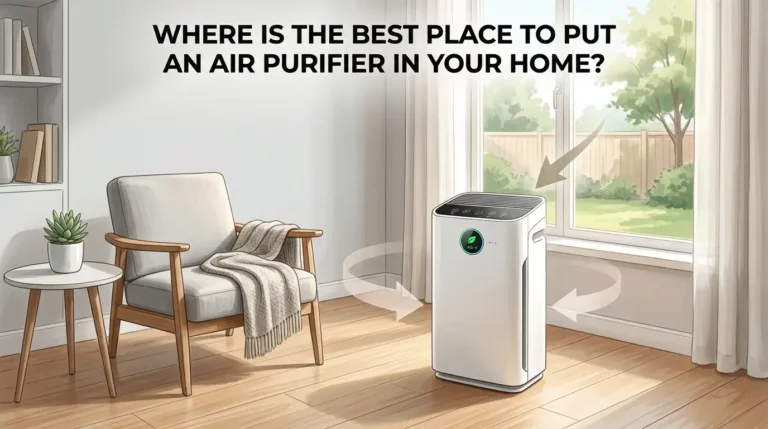
The best position for your purifier is in a central location where air can flow freely in all directions. Avoid corners, closets, or tight spaces where air gets trapped. Your purifier needs open space around it to pull in dust effectively. Think of it like this: if you block the unit, you block its ability to work.
Distance from walls matters too. Place your purifier at least 12 inches away from any wall or furniture. This gap lets air move around the unit properly. When purifiers sit flush against walls, they create dead zones where dust settles without being pulled through the filter.
High traffic areas are ideal spots for placement. Dust kicks up when people walk, so positioning your purifier near these zones captures particles quickly. If you spend most time in one area of your room, place the unit there for maximum benefit.
Avoid placing your purifier near doors or windows where outdoor dust enters constantly. While this seems logical, the unit works better when positioned to circulate air throughout the entire room first.
Fan speed and placement work together. A purifier in the perfect spot still won’t help if you run it on low speed. Higher speeds push air through the filter faster, but placement ensures that air reaches all corners of your room.
Consider your room’s layout when deciding placement. Long, narrow rooms need different positioning than square spaces. Airflow patterns change based on your furniture arrangement too. Test different locations for a few days and notice where dust settles least. That’s your signal you’ve found the right spot.
Building a Cleaning Routine That Complements Your Purifier
Your air purifier alone cannot eliminate dust that has already settled on surfaces. This is the most important fact to understand. Purifiers capture particles floating in the air, but dust lands on your furniture, shelves, and floors before the unit can filter it. You need a cleaning routine that works alongside your purifier to see real results.
Start by wiping surfaces with a damp cloth or microfiber rag before you vacuum. Damp cloths trap dust instead of spreading it around. Dry cloths just push particles into the air, which defeats the purpose. Wipe down nightstands, shelves, windowsills, and other flat surfaces at least twice a week.
When you vacuum, run your purifier on high speed during and after the cleaning session. Vacuuming kicks up tons of dust particles into the air. Your purifier needs maximum power to catch these floating particles before they settle again.
Focus extra attention on high traffic areas in your room. These spots accumulate dust faster than quiet corners. Vacuum hallways and pathways more frequently than other areas. Dust builds up where people walk most often.
Change your sheets weekly and wash them in warm water. Bedding collects dead skin cells and fabric fibers that become dust. Pillows and mattresses are major dust sources. Washing removes accumulated particles before they float into your room.
Reduce dust sources where possible. Keep pet bedding clean and brush your pets outside your room. Avoid leaving clothes piled on chairs or floors. Store items in closed containers rather than open shelves. These simple steps reduce the amount of dust your purifier must handle.
A cleaning routine and an air purifier work best together, not separately. Your purifier handles airborne particles while you handle settled dust. This combination creates a genuinely cleaner room with less dust visible on surfaces over time.
Common Mistakes That Sabotage Your Dust-Reduction Efforts
Your air purifier runs constantly, yet dust still accumulates. This happens because you might be making mistakes that work against your purifier’s effectiveness.
The wrong filter type is a common culprit. Air purifiers use different filter technologies. Some capture large particles while others focus on tiny ones. If your filter doesn’t match your main dust problem, your purifier won’t perform well. Check your purifier’s manual to confirm you’re using the correct filter for your specific dust issues.
Poor purifier placement sabotages your efforts. Many people put their purifier in corners or against walls. This blocks airflow and reduces how much air the unit can process. Your purifier needs space to pull air from multiple directions and push cleaned air back out.
Running your purifier on low speed defeats its purpose. You might lower the fan speed to reduce noise, but this slows down dust capture significantly. The unit processes less air per minute on low settings, meaning more dust settles before it gets filtered.
Skipping surface cleaning is a major mistake. Your purifier only catches airborne dust. Settled dust on shelves, furniture, and floors stays put unless you wipe or vacuum it. Many people expect the purifier to do all the work, but this isn’t realistic.
Ignoring dust sources creates constant problems. If pets, open windows, or high-traffic areas continuously generate dust, your purifier works overtime. You need to reduce these sources while the purifier handles airborne particles.
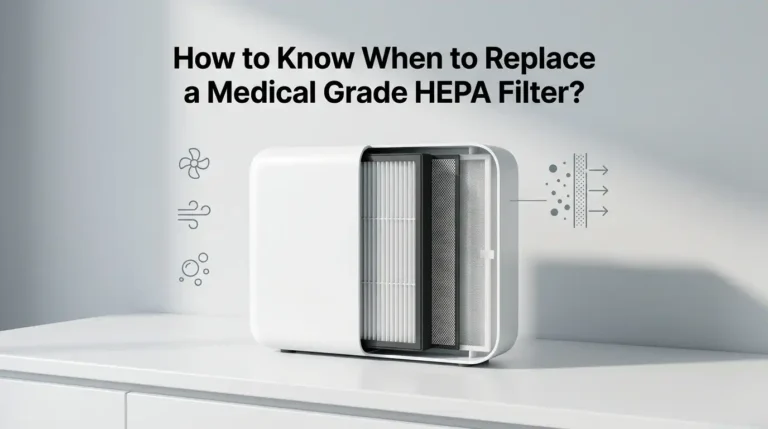
Not maintaining your filter properly causes performance drops. A clogged filter works harder and captures less dust. Check your filter regularly and replace it on schedule.
These mistakes combine to make your room feel dusty. Fix them one at a time, and you’ll notice real improvement in your air quality and surface cleanliness.
Troubleshooting Persistent Dust Problems
Your air purifier can only capture particles floating in the air. Dust that has already landed on surfaces, furniture, or shelves remains untouched. This is why you still see dust despite running your unit 24/7.
Dust settles faster than your purifier can process it. Particles fall to surfaces within seconds or minutes. Your purifier catches some airborne dust, but new particles constantly settle. This creates a cycle where dust keeps reappearing on your belongings.
Check if your purifier matches your room size. An undersized unit cannot process enough air volume to keep up with dust generation. If your room is larger than the purifier’s coverage area, dust will accumulate faster than the unit can handle. Review the square footage rating and compare it to your actual room dimensions.
Poor filter condition reduces effectiveness significantly. Clogged or dirty filters restrict airflow and trap fewer particles. Check your filters regularly and replace them according to the manufacturer’s schedule. A blocked filter makes your purifier work harder while catching less dust.
Dust sources in your room matter tremendously. Fabrics like curtains, bedding, and upholstered furniture shed particles constantly. Pets generate fur and dander continuously. Outdoor dust enters through small gaps around windows and doors. High-traffic areas kick up more particles than quiet zones.
Run your purifier on high speed, especially during and after cleaning sessions. Low speed settings move insufficient air to capture dust effectively. If noise concerns you, use high speed during vacuuming and cleaning, then adjust afterward.
The real solution combines purifier use with surface cleaning. Wipe surfaces with damp cloths weekly to remove settled dust. Vacuum high-traffic areas frequently. Wash bedding regularly. Your purifier handles airborne particles while you handle settled dust. Neither works alone. Together, they significantly reduce dust in your room.
Final Thoughts
Your air purifier is not broken. It simply does one job, and that job has limits.
Air purifiers clean the air, not your furniture, floors, or shelves. Dust that has already landed needs a different kind of attention.
Think of your purifier as one part of a bigger system. It reduces future dust in the air. But it cannot undo what has already settled around your room.
The real fix comes from combining habits. Keep your purifier running, check its size against your room, and clean surfaces often. Each piece supports the others.
If you skip any one part, dust builds up again. A great purifier with no surface cleaning still leaves dusty shelves. A clean room with a weak purifier still lets new dust drift down.
Pay attention to what brings dust into your space. Pets, open windows, and busy foot traffic all add particles daily. Reducing these sources gives your purifier less work to do.
Also watch your filter and fan speed. A tired filter or a low setting slows down air cleaning. Small adjustments here often make a big difference.
Patience matters too. Dust levels do not drop overnight. It takes consistent effort over days and weeks to notice a real change.
Set a simple routine. Wipe surfaces on a schedule, keep your purifier at a strong speed, and check filters often. This steady approach beats any single fix.
In the end, a dust free room comes from teamwork. Your purifier handles the air. You handle the surfaces. Together, they keep your space clean and comfortable.
Stay consistent, stay patient, and trust the process. Your room will get less dusty over time, even if results feel slow at first.
Frequently Asked Questions
Why does dust still appear on my furniture if the purifier runs all day?
Your purifier catches particles floating in the air. Dust that has already settled on surfaces needs manual removal. Think of it this way: the purifier cleans the air, not your shelves or tables. You must wipe surfaces with a damp cloth to remove dust that landed there.
Dust falls to surfaces within seconds. Your purifier cannot reach it once it settles. This is why combining air purification with regular wiping works best.
Does the size of my air purifier actually matter?
Yes, size matters significantly. An undersized purifier cannot process enough air volume for your room. If you have a large bedroom but use a small unit, dust accumulates faster than the purifier can handle.
Check your room’s square footage. Match it to your purifier’s coverage area. Running an undersized unit 24/7 still leaves you disappointed because it simply cannot keep up with dust generation in a large space.
Why do I see more dust after vacuuming even with the purifier on?
Vacuuming kicks up dust particles into the air. Your purifier catches some, but not all of it immediately. This is why running your purifier on high speed during and after vacuuming helps tremendously.
The dust needs time to circulate through your purifier and get filtered. Set your unit to maximum speed when you clean. This gives it the best chance to capture particles before they settle again.
Can my purifier filter get too dirty to work?
Absolutely. A clogged filter restricts airflow and traps fewer particles. Your purifier’s effectiveness drops significantly with a dirty filter.
Check your filter monthly. Replace it according to the manufacturer’s timeline. A clean filter is essential for proper dust capture and air circulation throughout your room.

I’m Maya Brown, the voice behind Pure Breeze Vault. I write detailed, honest, and easy-to-follow air purifier reviews to help readers compare features, understand filter technologies, and choose products with confidence. My goal is to make research simpler, clearer, and more practical for anyone improving indoor air quality at home.