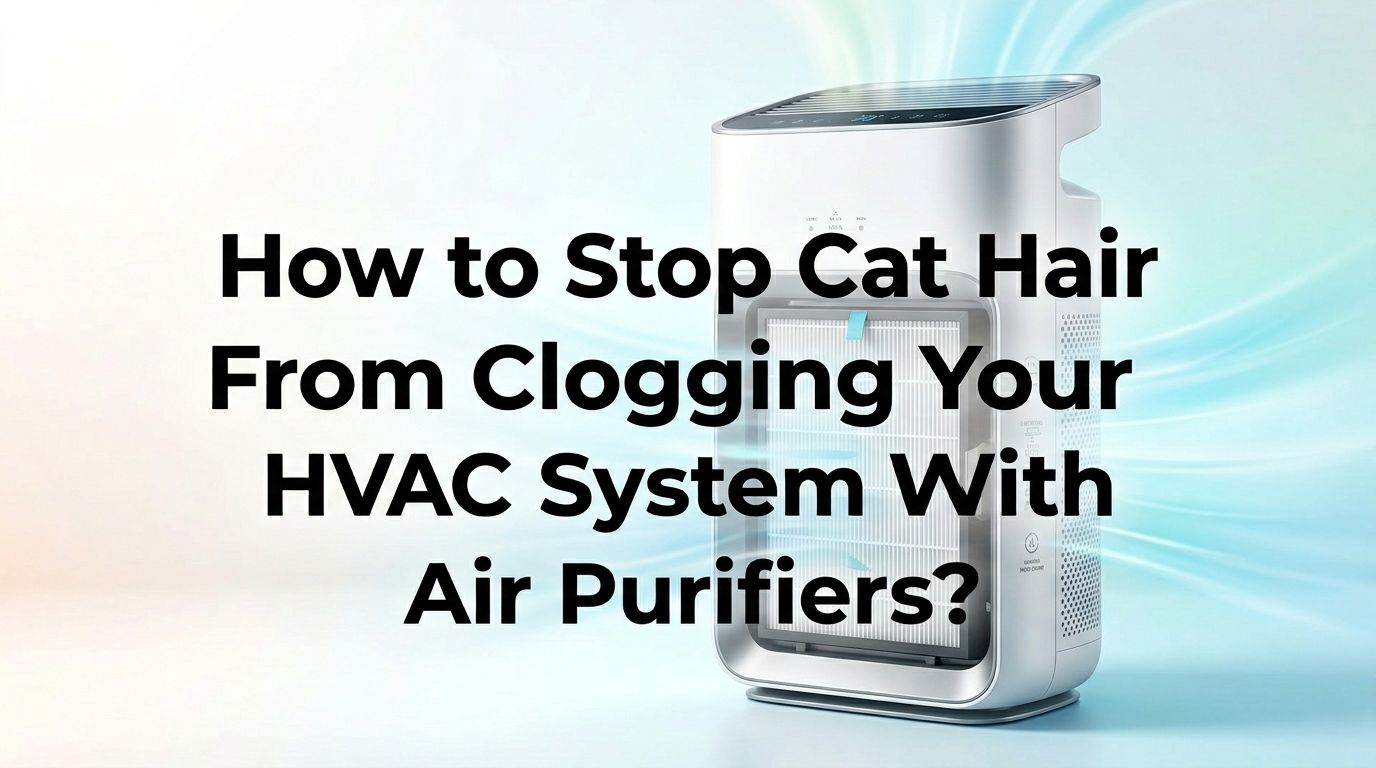
How to Stop Cat Hair From Clogging Your HVAC System With Air Purifiers?
If you own a cat, you already know the struggle. Cat hair ends up on your clothes, your couch, your coffee mug, and yes, deep inside your HVAC system.
That fine, floating fur gets pulled into your air vents, builds up on your filters, and forces your heating and cooling system to work overtime. The result? Higher energy bills, reduced airflow, and expensive repair calls you did not plan for.
The good news is that air purifiers can play a powerful role in solving this problem. They capture airborne cat hair and dander before it ever reaches your HVAC intake.
Key Takeaways
- Cat hair does real damage to your HVAC system. Pet hair and dander accumulate quickly on HVAC filters. A clogged filter restricts airflow, makes your system run harder, and shortens its lifespan. Pet owners often need to replace filters two to three times more often than households without pets.
- Air purifiers with HEPA filters are highly effective. A true HEPA filter captures 99.97% of particles as small as 0.3 microns. Cat dander particles range from 2.5 to 10 microns, so a HEPA air purifier traps them with ease. This reduces the load on your HVAC filter significantly.
- Placement matters more than you think. Putting your air purifier near your cat’s favorite spots and close to HVAC return vents gives you the best results. A purifier in the wrong room does very little for your HVAC system.
- Grooming your cat is the first line of defense. Regular brushing removes loose fur before it becomes airborne. Cats shed the most during spring and fall, so stepping up your grooming routine during those seasons is critical.
- HVAC filters rated MERV 8 to 13 work best for pet owners. Filters with a MERV rating of 11 or higher capture pet dander effectively. However, going too high (above MERV 13) in a standard residential system can restrict airflow and cause problems.
- A combined approach delivers the best results. No single solution is enough. Air purifiers, proper HVAC filters, regular grooming, and consistent cleaning all work together to keep cat hair out of your HVAC system.
How Does Cat Hair Get Into Your HVAC System?
Your HVAC system pulls air from your home through return vents. That air carries everything floating in your rooms, including dust, pollen, and cat hair. Fine cat fur and microscopic dander particles ride the airflow directly into your ductwork.
Cat dander is especially problematic because it is lightweight and stays airborne for hours. Unlike visible clumps of fur, dander is invisible to the naked eye and passes through low quality filters easily.
Once inside, cat hair coats the evaporator coil, clogs the filter, and collects in your ducts. This buildup reduces your system’s efficiency and can even cause it to overheat. Pet owners often notice their HVAC systems losing performance within just a few weeks of installing a fresh filter.
How Does a Clogged HVAC Filter Affect Your Home?
A clogged filter does more than slow down airflow. It creates a chain reaction of problems throughout your home. Your HVAC system must work harder to push air through a blocked filter, and that extra strain raises your energy bills by 5% to 15% according to HVAC professionals.
Poor airflow also means uneven temperatures. Some rooms feel too warm while others stay cold. Your system cycles on and off more frequently, which wears out the compressor and blower motor faster.
Indoor air quality drops dramatically with a dirty filter. Allergens, dander, and bacteria bypass the clogged filter and circulate freely through your home. This is especially harmful for anyone with asthma or pet allergies.
How Do Air Purifiers Help Protect Your HVAC System?
Air purifiers reduce the amount of airborne cat hair and dander in your home. By capturing these particles before they reach your HVAC return vents, purifiers act as a first line of filtration that takes pressure off your HVAC filter.
A quality air purifier with a HEPA filter pulls in room air, traps particles down to 0.3 microns, and releases clean air back into the space. This means less hair floating toward your vents and less buildup inside your ductwork.
Pros of using air purifiers for HVAC protection:
They reduce filter replacement frequency, lower the strain on your HVAC system, improve overall indoor air quality, and help with pet allergy symptoms.
Cons of using air purifiers:
They require their own filter replacements, add to your electricity usage, and cannot capture hair that has already settled on floors and furniture. They work best as part of a larger strategy rather than a standalone fix.
How to Choose the Right Air Purifier for Cat Hair?
Not all air purifiers handle pet hair equally well. You need specific features to get real results. Start with a purifier that uses a true HEPA filter, which captures 99.97% of particles at 0.3 microns. This standard is essential for trapping fine cat dander.
Look for a purifier with a washable pre filter. The pre filter catches larger particles like visible cat fur before they reach the HEPA filter. This extends the life of your main filter and saves you money on replacements.
Check the purifier’s Clean Air Delivery Rate (CADR). A higher CADR means the unit processes more air per minute. For a room of 300 square feet, aim for a CADR of at least 200. Match the purifier’s coverage area to your room size for best performance.
Activated carbon filters are a bonus feature. They help neutralize pet odors but do not directly impact cat hair removal. Prioritize HEPA and pre filter quality above everything else.
How to Place Your Air Purifier for Maximum HVAC Protection?
Where you put your air purifier determines how well it protects your HVAC system. The ideal spot is near your HVAC return vent in the room where your cat spends the most time. This creates a buffer zone that captures hair before it enters the vent.
Keep the purifier at least three feet away from walls and furniture. Air needs to flow freely into and out of the unit. Placing it in a corner or behind a couch reduces its effectiveness by up to 50%.
Run your air purifier on a medium or high setting during peak shedding hours, which are typically morning and evening when your cat is most active. If your cat sleeps in a specific room at night, place a second purifier there.
Pros of strategic placement:
Better air capture near the source of hair, reduced HVAC filter load, and improved room level air quality.
Cons:
You may need multiple purifiers for a larger home, and running them in multiple rooms increases electricity costs.
How to Pick the Best HVAC Filter for a Home With Cats?
Your HVAC filter is the last barrier between cat hair and your system’s internal components. For pet owners, experts recommend a MERV rating between 8 and 13. A MERV 11 filter is the sweet spot for most cat owners because it captures pet dander, dust, and smaller particles effectively.
Avoid standard fiberglass filters rated MERV 1 to 4. These catch only large debris and let most cat dander pass through. They offer almost no protection for pet owners.
Be careful with very high MERV ratings. Filters rated MERV 14 and above are designed for hospitals and labs. Using them in a standard residential HVAC system can restrict airflow too much and damage your equipment. Always check your system’s specifications before upgrading your filter.
If your system supports it, consider a 4 to 5 inch thick media filter instead of a standard 1 inch filter. Thicker filters hold more debris, last longer, and maintain better airflow even as they collect cat hair.
How Often Should You Replace HVAC Filters With Cats in the Home?
Standard advice says to replace your HVAC filter every 90 days. Cat owners should cut that timeline in half. With one cat, replace your filter every 30 to 45 days. With multiple cats, check it every two to three weeks.
Pull out your filter and hold it up to a light source. If you cannot see light through it, the filter is too clogged and needs immediate replacement. A dirty filter forces your system to consume more energy and reduces your indoor air quality quickly.
Set a recurring reminder on your phone so you never forget. Consistent filter changes are one of the cheapest and most effective ways to protect your HVAC system from cat hair damage.
Running an air purifier alongside your HVAC will extend your filter’s usable life. Many pet owners report going from monthly changes back to every 45 to 60 days after adding a quality air purifier to their home.
How Does Regular Cat Grooming Reduce HVAC Problems?
The most effective way to keep cat hair out of your HVAC system is to stop it at the source. Brushing your cat for just five to ten minutes a day removes an enormous amount of loose fur before it becomes airborne.
Use a deshedding tool or slicker brush during spring and fall shedding seasons when cats release their undercoat. These tools pull out loose fur trapped beneath the topcoat. Daily brushing during these peak periods can reduce airborne hair by up to 70%.
Bathing your cat once a month also helps remove loose fur and dander. Use a cat safe shampoo and rinse thoroughly. If your cat resists baths, grooming wipes are a good alternative.
A healthy diet rich in omega 3 and omega 6 fatty acids supports coat health and reduces excessive shedding. Cats with dry or irritated skin shed more, so proper nutrition makes a real difference.
How to Keep Air Vents and Ducts Free of Cat Hair?
Even with air purifiers and good filters, some cat hair still reaches your vents and ducts. Clean your air vents every two weeks by removing the covers and washing them with warm soapy water. Wipe down the surrounding wall or floor area where hair collects.
Do not place your cat’s bed, scratching post, or food bowl near HVAC return vents. These spots generate the most hair and dander. Moving them even a few feet away from the vent significantly reduces how much fur gets pulled in.
Schedule a professional duct cleaning every two to three years if you have cats. Technicians use specialized equipment to remove built up hair, dander, and dust from deep inside your ductwork. This improves airflow and helps your system run more efficiently.
Between professional cleanings, vacuum around all vents and registers with a HEPA vacuum. This simple habit takes five minutes and prevents hair from accumulating near the openings.
How to Use Pre Filters to Extend Your HVAC Filter’s Life?
Pre filters are an affordable and practical solution many cat owners overlook. You can attach a thin mesh pre filter over your HVAC return vent using magnetic strips or velcro. This catches large clumps of cat hair before they reach your main HVAC filter.
These vent pre filters are washable and reusable. Simply remove them, rinse or vacuum off the collected hair, and put them back. They cost very little and can double the lifespan of your main HVAC filter.
Pros of vent pre filters:
They are inexpensive, easy to install, washable, and they protect your main filter from premature clogging.
Cons of vent pre filters:
They require regular cleaning (weekly for cat owners), they only catch larger particles, and a dirty pre filter can restrict airflow if you forget to maintain it.
Your air purifier should also have its own built in pre filter. Clean it every two weeks by rinsing it under water or vacuuming it. A clogged pre filter on your purifier reduces its ability to capture cat hair effectively.
How to Create a Complete Cat Hair Defense System for Your Home?
The best results come from combining multiple strategies into one routine. Here is a simple system that works. Brush your cat daily to remove loose fur at the source. Run a HEPA air purifier in the rooms where your cat spends the most time.
Install a MERV 11 HVAC filter and replace it every 30 to 45 days. Add a washable pre filter to your main HVAC return vent. Vacuum your home at least three times per week using a vacuum with a HEPA filter to pick up settled hair before it goes airborne again.
Wash your cat’s bedding weekly. Keep litter boxes, cat trees, and beds away from HVAC return vents. Wipe down vent covers every two weeks.
This layered approach handles cat hair at every stage: at the source, in the air, and at the HVAC entry point. No single product or habit solves the problem alone, but together they keep your HVAC system running clean and efficient.
How Much Money Can You Save by Protecting Your HVAC From Cat Hair?
Protecting your HVAC system from cat hair saves you real money over time. A well maintained system uses less energy each month because it does not struggle against clogged filters and blocked ducts. Pet owners who follow a consistent maintenance routine often see energy savings of 10% to 15% on their heating and cooling bills.
HVAC repairs caused by pet hair damage can cost anywhere from $150 to $600 depending on the issue. A burned out blower motor or frozen evaporator coil is expensive to fix. Preventing these problems costs far less than repairing them.
Replacing your HVAC filter on schedule costs roughly $15 to $30 per filter. An air purifier uses about $5 to $15 of electricity per month. Compare that to a $5,000 to $10,000 HVAC replacement, and the investment in prevention makes clear financial sense.
Think of your air purifier and filter maintenance as insurance for your HVAC system. A small, consistent expense now protects you from major costs later.
Frequently Asked Questions
How do air purifiers stop cat hair from reaching HVAC vents?
Air purifiers pull in room air and trap cat hair and dander in their filters. This removes airborne particles before they can travel to your HVAC return vents. By reducing the amount of floating fur in your home, purifiers decrease the volume of hair your HVAC system has to process. Place the purifier near your cat’s main living area and close to the HVAC return vent for best results.
How often should you clean an air purifier used for cat hair?
You should clean or vacuum the pre filter every two weeks. Replace the HEPA filter according to the manufacturer’s instructions, which is typically every 6 to 12 months. In homes with multiple cats or heavy shedders, you may need to replace the HEPA filter closer to the 6 month mark. A dirty purifier filter loses its ability to capture hair and dander effectively.
Can an air purifier fully replace HVAC filter upgrades?
No. An air purifier reduces the amount of airborne cat hair, but it cannot capture everything. You still need a quality HVAC filter with a MERV rating of 8 to 13 to catch particles that make it to the return vent. Air purifiers and HVAC filters work best as a team, not as replacements for each other.
What MERV rating is safest for residential HVAC systems with cats?
A MERV 11 filter is the most recommended option for cat owners. It captures pet dander and fine particles without restricting airflow in most residential systems. If you have a standard 1 inch filter slot, do not go above MERV 13 without consulting an HVAC technician. Higher ratings may reduce airflow and strain your equipment.
Do cats shed more during certain seasons?
Yes. Cats shed the most during spring and fall as they transition between winter and summer coats. Indoor cats may shed more evenly throughout the year due to consistent indoor lighting and temperatures. During peak shedding periods, increase your grooming frequency, clean your air purifier pre filter more often, and check your HVAC filter every two to three weeks.
How can you tell if cat hair is already damaging your HVAC system?
Watch for warning signs like reduced airflow from your vents, uneven temperatures between rooms, higher energy bills, and unusual sounds from your system. Pull out your HVAC filter and inspect it. If it is matted with fur and debris well before its expected replacement date, cat hair is putting extra stress on your system. Schedule a professional inspection if you notice any of these issues.

I’m Maya Brown, the voice behind Pure Breeze Vault. I write detailed, honest, and easy-to-follow air purifier reviews to help readers compare features, understand filter technologies, and choose products with confidence. My goal is to make research simpler, clearer, and more practical for anyone improving indoor air quality at home.