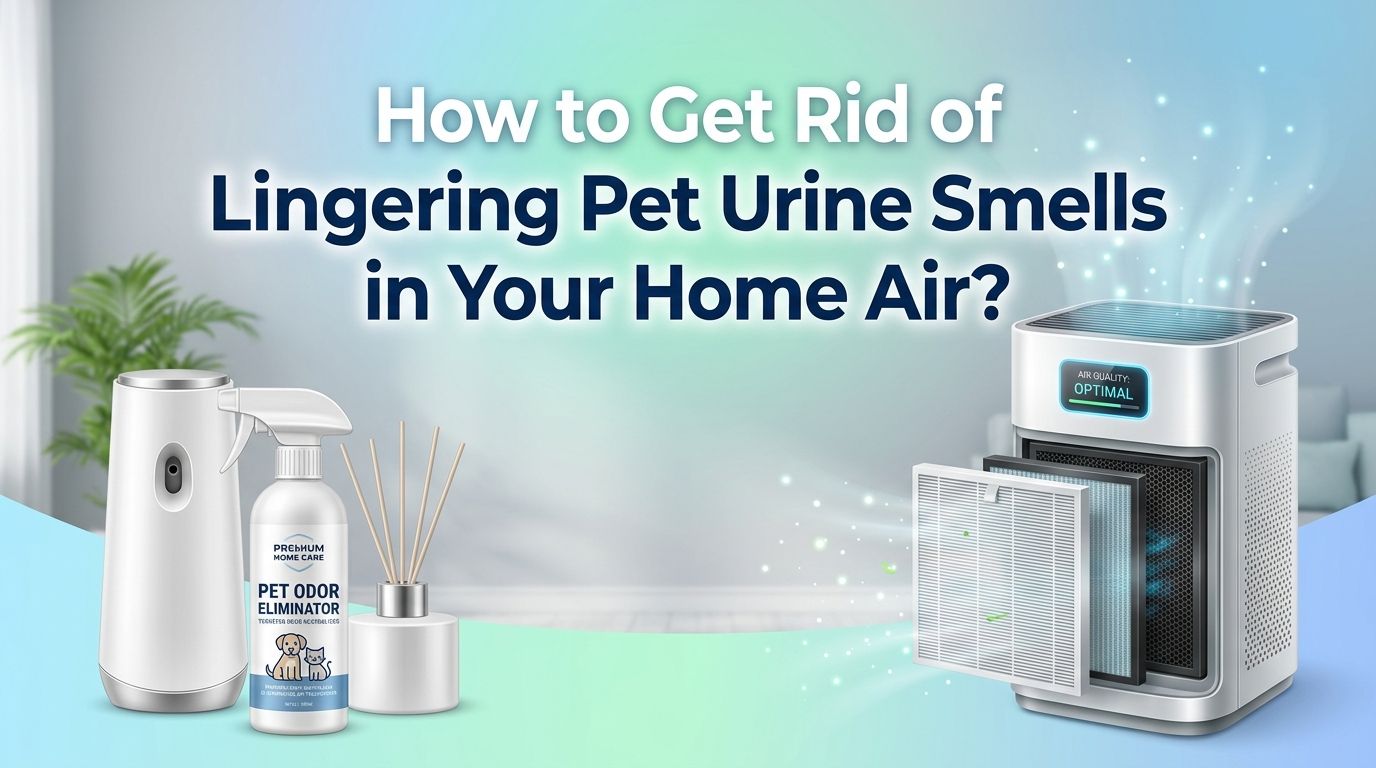
How to Get Rid of Lingering Pet Urine Smells in Your Home Air?
You love your pet. But that stubborn urine smell hanging in the air? Not so much. Pet urine odor has a way of sticking around long after the mess is cleaned up. It sneaks into carpets, padding, wood, and even your HVAC system.
The worst part is that the smell can come back on humid days. Dried urine leaves behind uric acid crystals that reactivate with moisture and heat. So even if you think the problem is gone, your nose tells you otherwise on a warm afternoon.
This post gives you clear, practical steps to remove pet urine smells from the air in your home. You will learn what causes the odor to linger, which cleaning methods actually work, and how to prevent the smell from coming back.
In a Nutshell
- Pet urine contains uric acid crystals that do not dissolve in water. These crystals bind to surfaces and release odor molecules into the air, especially in warm or humid conditions. Removing the source is the first and most important step.
- Enzymatic cleaners break down urine at the molecular level. Unlike regular cleaners that mask smells, enzyme based cleaners use beneficial bacteria to digest proteins, urea, and uric acid. This stops the odor cycle at its root.
- Baking soda and white vinegar remain two of the most effective home remedies. Baking soda absorbs odor from surfaces, and vinegar neutralizes the ammonia in pet urine. Together, they form a powerful and affordable cleaning duo.
- Air purifiers with activated carbon filters can reduce airborne urine odor, but they are not a standalone fix. They work best after you have treated the source of the smell on floors, furniture, or walls.
- Humidity control plays a big role in odor management. High moisture levels reactivate dried urine salts and push the smell back into the air. Running a dehumidifier helps keep odors dormant and your air fresher.
- Consistent cleaning routines prevent odor buildup over time. Washing pet bedding weekly, grooming your pet regularly, and spot cleaning accidents right away will stop urine smells from becoming a permanent part of your home.
How to Understand Why Pet Urine Smell Lingers in the Air?
Pet urine is more than just a liquid mess. It contains urea, urochrome, ammonia, and uric acid. The water in urine evaporates quickly, but the other compounds stay behind and soak deep into porous surfaces.
Uric acid is the main problem. It forms crystals that bond tightly to carpet fibers, wood grain, and concrete. These crystals do not dissolve in water. Regular mopping or blotting cannot remove them.
When heat or humidity rises in your home, these crystals release odor molecules back into the air. This explains why your house might smell fine on cool, dry days but reek of pet urine during summer. Cat urine is especially strong because it is highly concentrated and contains amino acids that produce a pungent smell as they decompose.
How to Find the Hidden Source of Pet Urine Odor?
You cannot fix what you cannot find. Pet urine often seeps below the visible surface. It may be under carpet padding, behind baseboards, or soaked into subfloor material.
A UV blacklight flashlight is your best friend here. Turn off the lights in each room and scan floors, walls, and furniture with the blacklight. Pet urine stains will glow a yellowish green color under UV light.
Check areas your pet frequents the most. Look near doors, under furniture, along walls, and around litter boxes. Old stains that were never fully cleaned are often the source of persistent odor. Mark each spot you find so you can treat them one by one.
Pros: A blacklight is cheap and shows stains invisible to the naked eye.
Cons: It may reveal more damage than expected, and some stains may require professional treatment.
How to Use Enzymatic Cleaners to Destroy Urine Odor?
Enzymatic cleaners are the gold standard for pet urine removal. They contain beneficial bacteria that produce enzymes. These enzymes break down the organic compounds in urine, including proteins, urea, and uric acid.
The bacteria essentially eat the urine and convert it into carbon dioxide and water. This process eliminates the odor at its source rather than covering it up with fragrance.
To use an enzymatic cleaner, saturate the affected area completely. The cleaner needs to reach as deep as the urine did. Cover the area with a damp cloth or plastic wrap and let it sit for 8 to 24 hours. This gives the bacteria time to do their work. Do not use other chemical cleaners on the spot first, because chemicals can kill the beneficial bacteria.
Pros: Destroys odor at the molecular level and prevents pets from re marking the spot.
Cons: Requires patience, as results take hours, and multiple applications may be needed for old stains.
How to Remove Pet Urine Smell With Baking Soda?
Baking soda is a natural odor absorber that works well on pet urine smells. It is nontoxic, affordable, and safe to use around pets and children.
Sprinkle a generous layer of baking soda over the urine stained area after it has been cleaned and dried. Let the baking soda sit for at least 8 hours or overnight. It pulls moisture and odor from the surface as it sits. Vacuum it up the next day.
For airborne odor, place open bowls of baking soda around the room. The baking soda will absorb smell particles from the air over time. Replace the bowls every few days for best results. This method works especially well in small, enclosed spaces like laundry rooms or bathrooms where pet accidents happen.
Pros: Very affordable, safe, and easy to use with no special equipment needed.
Cons: Works slowly and may not fully eliminate deep set stains on its own.
How to Use White Vinegar to Neutralize Urine Odor?
White vinegar is a natural acid that neutralizes the ammonia in pet urine. This chemical reaction reduces the sharp, burning smell that urine produces.
Mix equal parts white vinegar and water in a spray bottle. Spray the solution directly onto the urine stain and let it soak for 10 to 15 minutes. Blot the area dry with a clean cloth. The vinegar smell will fade as it dries, and it will take the urine odor with it.
For hard floors and walls, you can use this mixture to scrub surfaces directly. Vinegar is safe for most hard surfaces including tile, laminate, and sealed hardwood. Avoid using it on natural stone like marble, as the acid can damage the finish.
Pros: Cheap, readily available, and effective on ammonia based odors.
Cons: Strong vinegar smell during application and not suitable for all surface types.
How to Use Hydrogen Peroxide for Stubborn Urine Stains?
When baking soda and vinegar are not enough, hydrogen peroxide offers a stronger cleaning option. A 3% hydrogen peroxide solution can break down urine compounds and lift stains from fabrics and carpets.
Mix one quarter cup of 3% hydrogen peroxide with a teaspoon of dish soap. Apply the mixture to the stain and let it sit for 15 minutes. Blot and rinse with cool water. The peroxide creates an oxidizing reaction that destroys odor causing bacteria on the surface.
Always do a spot test first. Hydrogen peroxide can bleach or discolor certain fabrics, carpets, and wood finishes. Test it on a small, hidden area and wait 30 minutes to check for any color change before applying it to a visible spot.
Pros: Stronger cleaning power than vinegar or baking soda alone and good for tough stains.
Cons: Can bleach fabrics and discolor surfaces, so testing is essential.
How to Clean Pet Urine From Air Ducts and Vents?
If your entire house smells like pet urine, the odor may have entered your HVAC system. Pets sometimes urinate on or near floor vents. The urine seeps into the ductwork, and the system then circulates the smell throughout your home.
Remove the vent cover and clean it with a mixture of vinegar and baking soda. Scrub inside the visible portion of the duct with a long handled brush. Wipe down the interior with a cloth soaked in an enzymatic cleaner or a vinegar solution.
Replace your HVAC air filter with a fresh one that includes an activated carbon layer. This helps trap odor molecules as air passes through the system. For severe contamination deep inside ducts, consider hiring a professional duct cleaning service. They have the equipment to reach and treat the full length of your ductwork.
Pros: Addresses a commonly overlooked odor source and improves overall air quality.
Cons: Professional duct cleaning can be expensive, and DIY access is limited to areas near vents.
How to Use an Air Purifier to Reduce Pet Urine Smell?
Air purifiers can help reduce the pet urine smell floating in your home. The key is to choose a unit with an activated carbon filter. HEPA filters alone catch particles like dander and dust but do not remove odor molecules.
Activated carbon works through adsorption. Gas molecules from the urine smell stick to the surface of the carbon. The more carbon in the filter, the more odor it can capture. Place the purifier in the room where the smell is strongest and run it continuously.
An air purifier is not a replacement for source cleaning. If the urine is still soaked into your carpet or subfloor, the purifier will only reduce the smell temporarily. Think of it as one part of a complete odor removal plan, not the entire solution.
Pros: Continuously filters odor molecules from the air and improves indoor air quality.
Cons: Does not address the odor source and requires regular filter replacement.
How to Control Humidity to Stop Urine Smells From Returning?
Humidity is a major trigger for pet urine odor. Uric acid crystals reactivate in moist conditions and release their smell back into the air. This is why the odor often gets worse during rainy seasons or in homes without climate control.
Keep your indoor humidity level between 30% and 50%. Use a dehumidifier in rooms where pet accidents have happened. A simple hygrometer can help you monitor moisture levels throughout your home.
Good ventilation also helps. Open windows when weather allows and use exhaust fans in bathrooms and kitchens. Running your HVAC fan on circulate mode can move air through your carbon filter more often and reduce stale, odor heavy air pockets.
Pros: Prevents odor reactivation and creates a less hospitable environment for bacteria growth.
Cons: Requires equipment like a dehumidifier and ongoing monitoring of humidity levels.
How to Deep Clean Carpets and Upholstery for Urine Removal?
Carpets and upholstered furniture are the biggest odor traps in a pet owner’s home. Urine soaks past the carpet fibers into the padding and even the subfloor below.
For carpet, start with an enzymatic cleaner applied generously to the stain. After treatment, steam clean the entire carpet. The heat from steam cleaning helps break down remaining urine compounds. Follow up with a baking soda treatment overnight.
For upholstery, remove cushion covers and wash them if possible. Spray the foam inserts with enzymatic cleaner and allow them to air dry completely. If the urine has reached the frame of the furniture, the smell may be permanent unless the padding is replaced. In extreme cases, professional upholstery cleaning or replacement is the most effective path forward.
Pros: Thorough cleaning reaches deep into fibers where odor hides.
Cons: Time consuming, and severely soaked items may need professional help or replacement.
How to Prevent Future Pet Urine Odor Problems?
Prevention saves you the headache of dealing with stubborn odors later. Clean up accidents immediately. The faster you blot and treat a urine spot, the less it soaks in.
Train your pet consistently and provide easy access to designated bathroom areas. For dogs, establish a regular outdoor schedule. For cats, keep litter boxes clean and in accessible locations. A dirty litter box is one of the top reasons cats urinate outside the box.
Wash pet bedding and blankets weekly in hot water with a mild detergent. Groom your pet regularly to reduce the overall smell they carry. Place washable pads under areas where your pet sleeps or rests. These small habits add up and keep your home smelling clean every day.
Pros: Stops odor problems before they start and reduces long term cleaning costs.
Cons: Requires daily effort and consistent routines.
How to Know When You Need Professional Odor Removal?
Sometimes the problem is too deep for DIY methods. If you have treated stains multiple times and the smell keeps coming back, the urine may have penetrated the subfloor or concrete slab beneath your carpet.
Professional odor removal services use industrial enzymatic treatments, ozone generators, and thermal fogging to reach contamination that household products cannot. They can also use moisture meters to detect urine in walls and subfloors that you cannot see or reach.
If you are moving into a home with existing pet odor, a professional assessment before moving in can save you months of frustration. The cost varies, but it is often worth the investment for severe cases where the smell affects your quality of life and your home’s air quality.
Pros: Access to industrial grade equipment and expertise for severe odor cases.
Cons: Higher cost compared to DIY methods and may require removing and replacing flooring.
Frequently Asked Questions
How long does pet urine smell last in the air?
Pet urine smell can last for months or even years if the source is not properly treated. The uric acid crystals left behind reactivate with heat and humidity, releasing odor back into the air repeatedly. Cleaning the surface only removes part of the problem. You must treat deep into the affected material to fully stop the smell cycle.
Does vinegar really remove pet urine smell?
Yes, white vinegar neutralizes ammonia, which is a major component of pet urine odor. A 50/50 mix of vinegar and water works well on hard surfaces and fresh stains. However, vinegar alone may not be enough for old or deeply soaked stains. Pairing vinegar with an enzymatic cleaner gives you the best results.
Can an air purifier alone fix pet urine odor?
No. An air purifier with an activated carbon filter can reduce airborne urine odor, but it will not eliminate the source. If urine has soaked into your carpet, padding, or subfloor, the smell will keep returning. Use an air purifier as part of a larger cleaning strategy that includes source treatment.
Is pet urine odor harmful to breathe?
In high concentrations, the ammonia in pet urine can irritate your eyes, nose, and respiratory system. Long term exposure can worsen asthma symptoms and cause headaches. Homes with many pets or untreated urine buildup may have ammonia levels that affect indoor air quality. Proper cleaning and ventilation reduce these health risks.
How do I get pet urine smell out of hardwood floors?
Clean the area with a vinegar and water solution first. Then apply an enzymatic cleaner and let it sit for several hours. If the urine has penetrated the wood grain, you may need to lightly sand the surface and reseal it. For deep stains, an oil based primer or sealant can block odor before you refinish the floor.

I’m Maya Brown, the voice behind Pure Breeze Vault. I write detailed, honest, and easy-to-follow air purifier reviews to help readers compare features, understand filter technologies, and choose products with confidence. My goal is to make research simpler, clearer, and more practical for anyone improving indoor air quality at home.