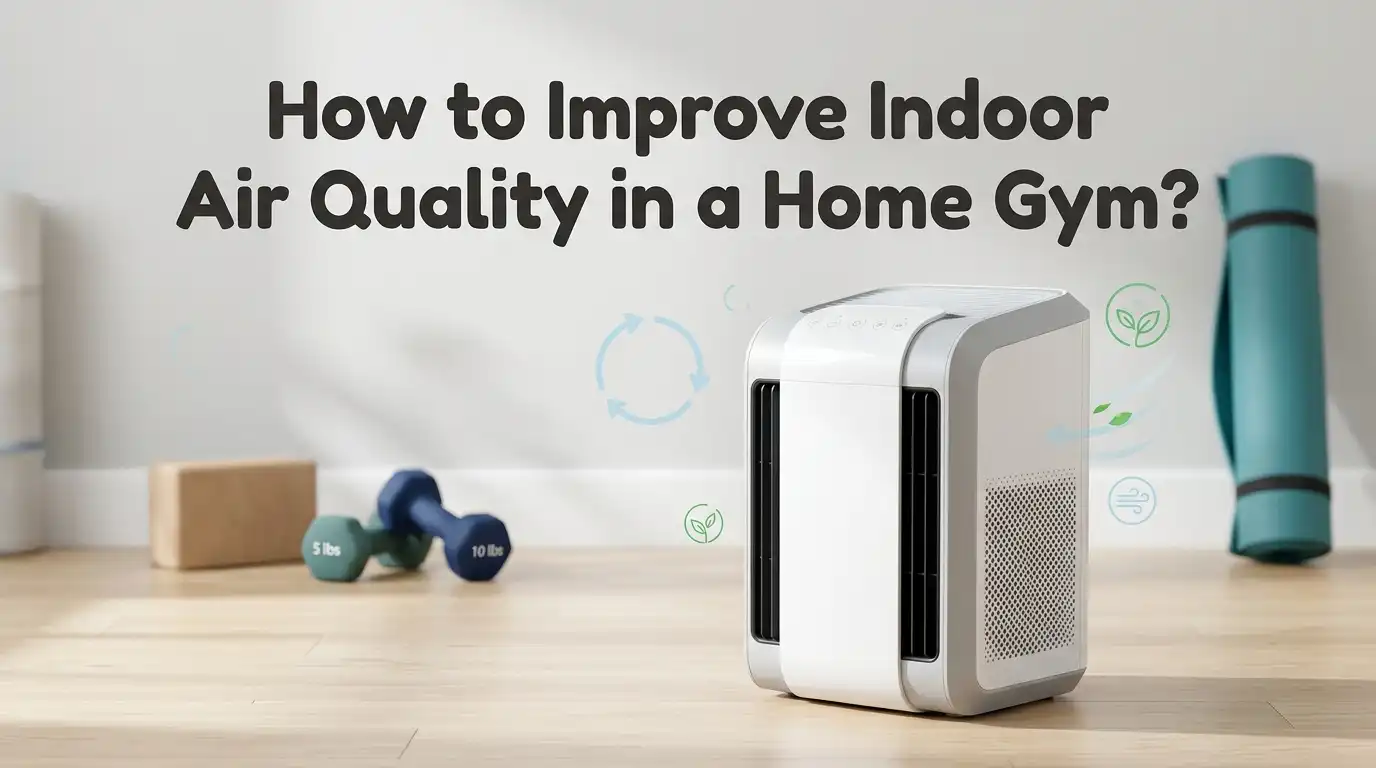
How to Improve Indoor Air Quality in a Home Gym?
A home gym should feel fresh, clean, and easy to breathe in. Yet many people exercise in small rooms with no open windows, heavy sweat, warm air, rubber flooring, and cleaning product smells.
That mix can leave the space feeling stuffy fast. The good news is that you can improve indoor air quality without opening windows if you use the right plan. You do not need to guess.
You need source control, better air cleaning, better airflow, and better moisture control. This guide shows you simple steps that work in real homes.
In a Nutshell
- Start with the main causes. A home gym often traps sweat moisture, body odors, dust, rubber smells, and cleaning fumes. These sources build up faster in a closed room. If you remove the sources first, every other fix works better.
- Use a properly sized HEPA air cleaner. A portable unit can remove a large amount of airborne particles if it matches the room size. Room size matters more than brand names. Run it before, during, and after workouts for the best result.
- Control humidity every day. Moist air can make a gym smell bad and can support mold growth. Aim for a relative humidity range of about 30 to 50 percent. A simple humidity meter helps you track this without guesswork.
- Use your HVAC system smarter. If your home has central heating or cooling, a better filter and longer fan run time can help move and clean air in the room. A pleated filter with stronger particle capture often gives better results than a basic flat filter.
- Do not ignore airflow inside the room. Even when windows stay closed, air still needs movement. Ceiling fans, floor fans, bathroom exhaust fans, and door positioning can reduce dead air spots and help freshen the space.
- Build a repeatable routine. The best plan is simple enough to follow daily. Wipe surfaces, dry fabrics, run the air cleaner, and check humidity. Small habits can stop stale air before it becomes a bigger problem.
Know What Pollutes the Air in a Home Gym
A closed home gym collects more than sweat smell. People breathe out carbon dioxide during exercise. Shoes bring in dust. Mats and rubber flooring can release odors and chemicals. Cleaning sprays can add fumes. Damp towels can hold moisture and create a musty smell. This mix is why a workout room can feel heavy so quickly.
The first step is to identify what your room adds to the air. If the room smells like rubber, VOCs may be part of the problem. If the room feels sticky, humidity is likely high. If you feel sleepy or stuffy, poor ventilation and rising carbon dioxide may be part of the issue. A room can have more than one cause at the same time.
Pros: This method costs little and helps you target the right fix.
Cons: It takes a few days of observation, and some issues overlap.
Measure the Room Before You Buy Any Solution
Do not buy equipment before you know your room size and air conditions. Measure the room length, width, and ceiling height.
Then note how long you exercise, how many people use the room, and whether the room already has vents, a fan, or a return air grille. A small room with intense workouts needs stronger air cleaning than a large room with light stretching.
It also helps to track humidity and carbon dioxide with simple monitors. Carbon dioxide is not a full air quality score, but it can show whether the room gets enough fresh air exchange. Humidity readings are even more useful because they help you stop mold and musty odors early. A notebook or phone note is enough for tracking.
Pros: You make smarter choices and avoid overspending.
Cons: You may need to buy one or two low cost monitors first.
Use a HEPA Air Cleaner That Matches the Room Size
A portable HEPA air cleaner is one of the best solutions for a home gym with closed windows. It captures fine particles from dust, skin flakes, and some workout related debris.
The key is correct sizing. Look for a unit rated for your room size, and remember that higher ceilings need more cleaning power. If the room is used for intense exercise, choose more capacity than the minimum.
Place the unit where airflow is not blocked by walls, benches, or curtains. Run it before your workout starts so the room is already cleaner when you enter. Keep it on during the workout and for a while after. Longer run time usually means better results. If noise bothers you, use a lower setting after exercise.
Pros: Strong particle removal, simple daily use, and useful for dust control.
Cons: It does less for gases unless it also has enough carbon media, and noise can be annoying at high speed.
Add Carbon Filtration for Odors and VOCs
HEPA filters are great for particles, but they do much less for gases and smells. In a home gym, odors can come from rubber mats, foam flooring, glues, stored cleaners, and sweat soaked fabrics. That is where carbon filtration can help. A unit with meaningful activated carbon can reduce some odors and gas pollutants better than HEPA alone.
This does not mean every carbon layer works well. Thin carbon sheets help a little, but they can saturate fast. A larger amount of carbon usually performs better for odor control. You can also reduce the need for carbon filtration by removing the source.
Store cleaners outside the room if possible. Wash fabrics often. Let new mats air out in another area before full use.
Pros: Better odor control and support for VOC reduction.
Cons: Carbon filters need replacement, and weak carbon filters may disappoint.
Upgrade Your HVAC Filter and Keep the Fan Running Longer
If your home gym connects to central heating or cooling, your HVAC system can help even with the windows shut. Replace weak basic filters with a good pleated filter that your system can handle. Many people do well with a MERV 13 level if the system supports it. A better filter can capture more particles as air cycles through the house.
Set the fan to run longer during and after workouts if your thermostat allows it. This keeps air moving instead of waiting only for heating or cooling cycles. More run time means more passes through the filter. Change filters on schedule because a dirty filter loses performance. If you are unsure what your system can support, ask an HVAC professional.
Pros: Uses equipment you already have and improves whole home air cleaning.
Cons: It may increase energy use, and some systems cannot handle stronger filters without a pressure drop issue.
Control Humidity to Stop Musty Air and Mold Risk
Humidity control matters just as much as filtration in a home gym. Exercise adds moisture to the air fast. Sweat, wet clothes, and warm breathing all push humidity up. If the room stays damp, you may notice a stale smell, slower drying surfaces, or even mold over time. Aim to keep relative humidity in the healthy middle range, around 30 to 50 percent when possible.
Use a hygrometer so you know what is happening after each workout. If the room often stays above that range, add a dehumidifier. Empty and clean it often. Wipe down mats and equipment after every session. Dry air feels cleaner because moisture does not sit on surfaces for long. If the gym is in a basement, this step matters even more.
Pros: Reduces musty odors, supports comfort, and lowers mold risk.
Cons: Dehumidifiers add heat, need maintenance, and use electricity.
Improve Indoor Airflow Without Opening Windows
Airflow is not the same as ventilation, but it still helps a lot. A closed room with still air feels worse because pollutants stay concentrated in one area.
Use a ceiling fan, pedestal fan, or wall fan to keep air moving. If the room is near a bathroom or another exhaust area, you can use that exhaust fan to help pull indoor air along a path. Movement breaks up stale pockets of air.
Point fans so they move air across the room rather than directly into your face during hard exercise. Keep furniture from blocking vents and return grilles. A simple layout change can improve airflow more than people expect. Leave the gym door open before and after sessions if that does not disturb the rest of the home.
Pros: Low cost, quick improvement, and better comfort during workouts.
Cons: Fans do not remove pollutants by themselves, and poor fan placement can spread odors around.
Cut Pollution at the Source Before It Spreads
Source control is often the most effective fix. If something releases dust, odors, or chemicals, remove it or reduce it. Choose low odor cleaners. Avoid strong air fresheners because they can add more chemicals instead of solving the problem.
Wash towels and workout clothes quickly. Keep dirty shoes outside the room if possible. The cleanest air usually comes from fewer pollution sources, not from more gadgets.
New mats and foam blocks can smell strong at first. Let them off gas in a garage or covered outdoor area before bringing them into daily use if that is possible. Store paint, solvents, and extra cleaning chemicals somewhere else. A simple storage change can make the room feel much fresher in a few days.
Pros: Often the most direct and lasting improvement.
Cons: It requires habit changes, and some sources are built into the room materials.
Clean Floors, Mats, and Equipment the Right Way
Dust and skin particles settle on every surface in a home gym. Once your workout starts, movement can send that material back into the air. That is why cleaning matters for air quality, not just for appearance.
Vacuum with a sealed machine and a good filter if possible. Wipe hard surfaces with a mild cleaner that does not leave a strong smell. Clean the floor more often than you think you need to.
Yoga mats, bench pads, and grips need regular care too. Let them dry fully before storage. Wash removable covers and cloth accessories often. Dry and clean surfaces release less odor into the room. Avoid soaking floors or mats because extra moisture can create a new problem.
Pros: Lowers dust load, improves smell, and supports skin hygiene.
Cons: It takes routine effort, and harsh cleaners can worsen air quality.
Watch Carbon Dioxide as a Clue, Not the Whole Story
Carbon dioxide can rise during exercise because you breathe harder. A monitor can show whether the room gets enough air exchange over time. Still, it is important to use it the right way. Carbon dioxide is a clue, not a complete air quality score. A low reading does not prove the room is free of dust, VOCs, or moisture problems.
Use the monitor to compare patterns. If readings climb fast and stay high after workouts, the room may need better air movement, stronger HVAC fan use, or less occupancy at one time. Trend data matters more than one single number. This helps you decide whether your current setup works or needs another layer of control.
Pros: Gives useful feedback and helps you judge ventilation patterns.
Cons: It does not measure all pollutants, and cheap sensors can be inaccurate.
Reduce Heat Build Up to Make the Air Feel Cleaner
Hot air feels heavier, even when pollution levels are the same. A warmer room also holds more moisture from sweat. That means temperature control supports air quality in a practical way. Use your home cooling system, a mini split, or a dehumidifier with cooling support if needed. A cooler room usually feels fresher and easier to breathe in during exercise.
Keep electronics off when not in use because they add heat. If the room gets direct sun, use shades to cut solar gain. Plan harder workouts at cooler times of day if possible. When heat drops, odor and stuffiness often feel less intense. This step may not remove pollutants, but it improves comfort and supports your other air quality tools.
Pros: Better comfort, better workout feel, and less sticky air.
Cons: Cooling can raise energy costs, and temperature control alone does not clean the air.
Set a Post Workout Air Reset Routine
The air quality plan works best when it becomes a routine. After each workout, wipe down equipment, remove damp fabrics, run the air cleaner for a set period, and check the humidity reading. Leave the door open if possible so air can mix with the rest of the house. A short reset routine prevents yesterday’s workout from affecting tomorrow’s session.
You can also schedule one deeper clean each week. Wash mats, vacuum corners, dust vents, and inspect the room for damp spots. Consistency beats occasional deep cleaning. Many air quality problems grow slowly, so daily prevention is easier than fixing a musty room later.
Pros: Easy to repeat, low cost, and highly effective over time.
Cons: Results depend on consistency, and skipped days can let odors return fast.
Create the Best Setup for Small, Medium, and Basement Gyms
Different rooms need different plans. A small spare bedroom gym may do well with one HEPA cleaner, a ceiling fan, and better cleaning habits. A medium room may need a stronger air cleaner, better HVAC support, and a humidity check after each session.
A basement gym often needs the most help because basements can hold moisture and stale air. Basement gyms usually benefit from both filtration and dehumidification.
If more than one person trains in the room, increase air cleaning and airflow. If you do high intensity workouts, expect more carbon dioxide, more moisture, and faster odor build up. The harder the training, the more your room needs support. Match the setup to the room instead of copying a plan that worked somewhere else.
Pros: Helps you choose a realistic solution for your exact space.
Cons: There is no one size fits all answer, so some trial and adjustment may be needed.
Common Mistakes That Keep a Home Gym Stuffy
Many people buy one air cleaner and expect the problem to disappear. That rarely works if the room also has damp fabrics, strong cleaners, blocked vents, or rising humidity. Another common mistake is choosing a unit that is too small for the room. Undersized equipment leads to weak results and wasted money.
Some people also mask odors with sprays or scented products. That can make the room smell stronger instead of cleaner. Others forget filter changes or never clean the dehumidifier tank. Maintenance is part of air quality, not a separate chore. Avoiding these mistakes can save you time, money, and frustration.
Pros: Learning mistakes early makes every fix more effective.
Cons: Some problems take testing and patience before the real cause becomes clear.
FAQs
Can I improve air quality in a home gym without buying a purifier?
Yes, you can improve it with source control, better cleaning, humidity control, fan use, and smarter HVAC settings. A purifier helps a lot, but it is not the only tool. Start with moisture, dust, and odor sources first.
What is the best humidity level for a home gym?
A good target is usually around 30 to 50 percent relative humidity. That range helps the room feel less sticky and lowers the chance of musty odors and mold growth.
Do fans clean the air in a closed gym room?
No. Fans move air, but they do not remove particles or gases by themselves. They still help because better airflow reduces stale pockets and can support your air cleaner and HVAC system.
Why does my home gym smell bad even after I clean it?
The smell may come from trapped moisture, damp fabrics, rubber flooring, or stored chemicals. Cleaning alone may miss the real issue. Check humidity, airflow, and material odors as well.
Is carbon dioxide dangerous in a home gym?
During normal home use, rising carbon dioxide is more useful as a sign of poor air exchange than as the only danger. Treat it as a clue that the room may need better ventilation support and airflow.
What is the simplest setup for most people?
For many homes, the simplest plan is this: use a properly sized HEPA cleaner, keep humidity under control, upgrade the HVAC filter if possible, wipe down equipment after every workout, and keep air moving with a fan. That combination solves the biggest problems in a practical way.
If you want, I can also turn this into a cleaner publishing format with a meta description and suggested slug.

I’m Maya Brown, the voice behind Pure Breeze Vault. I write detailed, honest, and easy-to-follow air purifier reviews to help readers compare features, understand filter technologies, and choose products with confidence. My goal is to make research simpler, clearer, and more practical for anyone improving indoor air quality at home.