How to Replace Your Air Purifier Filter the Right Way?
Your air purifier works hard every day. It pulls in dust, allergens, pet dander, smoke particles, and odors to keep your indoor air clean. But here is the catch: a dirty or clogged filter can turn your air purifier into little more than a fan blowing contaminated air back into your room.
Many people forget about filter replacements or delay them, and the result is poor air quality and a machine that wastes energy. If you have noticed weaker airflow, strange smells, or your allergies acting up indoors, the filter is likely the problem.
This guide walks you through everything you need to know about replacing your air purifier filter. You will learn the exact steps, the different filter types, common mistakes to avoid, and tips to save money.
In a Nutshell
- Every air purifier filter has a limited lifespan. HEPA filters generally last 6 to 12 months, activated carbon filters last about 3 to 6 months, and pre filters need cleaning every 2 to 4 weeks. Ignoring replacement schedules leads to reduced air quality and higher energy bills.
- Replacing a filter is a quick process that takes less than 10 minutes. The basic steps are: unplug the unit, open the filter compartment, remove the old filter, clean the inside of the unit, insert the new filter, and reset the filter indicator if your model has one.
- Always use the correct replacement filter for your specific model. Using a generic or wrong size filter can create gaps that let unfiltered air pass through. Check your user manual or the manufacturer’s website for the exact filter part number.
- Watch for warning signs that your filter needs replacing. These include reduced airflow from the unit, a musty or unpleasant smell, visible dust buildup on the filter, louder fan noise, and a lit filter replacement indicator on the display panel.
- Washable filters save money but require more maintenance. They need regular rinsing and complete drying before reinsertion. Disposable filters offer stronger filtration, especially True HEPA types, but create ongoing replacement costs.
- Proper disposal matters. Place used HEPA filters in a sealed plastic bag before throwing them in household trash. Most HEPA filters cannot be recycled due to the trapped pollutants inside them.
How to Know When Your Air Purifier Filter Needs Replacement
The first step in the replacement process is knowing when to act. Most modern air purifiers have a filter replacement indicator light that turns on after a set number of operating hours. This is the easiest signal to follow.
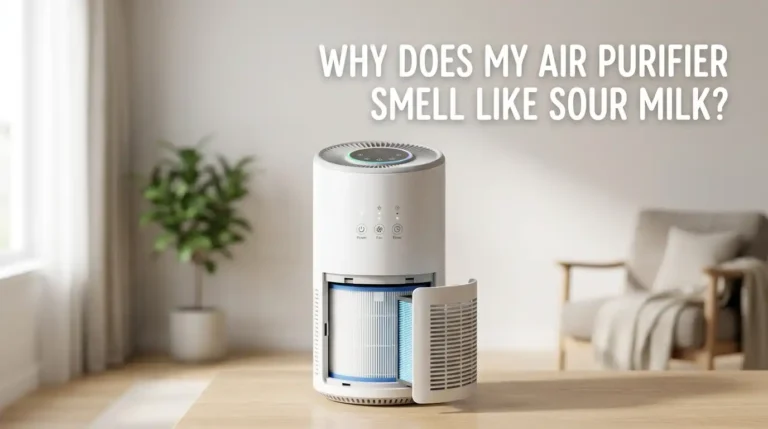
However, you should also rely on physical signs. If you notice reduced airflow coming from the unit, the filter is likely clogged with particles. A musty or stale smell coming from the purifier is another clear warning.
Visible discoloration on the filter is a strong indicator too. A HEPA filter that started white and now looks dark gray has captured a significant amount of particles. Increased allergy symptoms like sneezing, itchy eyes, or congestion while indoors can also point to a failing filter.
If you run your purifier 24/7 in a home with pets or smokers, your filter will need replacement sooner than the manufacturer’s general timeline suggests. Check the filter visually every month to stay ahead.
How to Identify Your Air Purifier Filter Type Before Replacing It
Before you buy a replacement, you need to understand what type of filter your air purifier uses. Getting this wrong wastes money and can damage your unit.
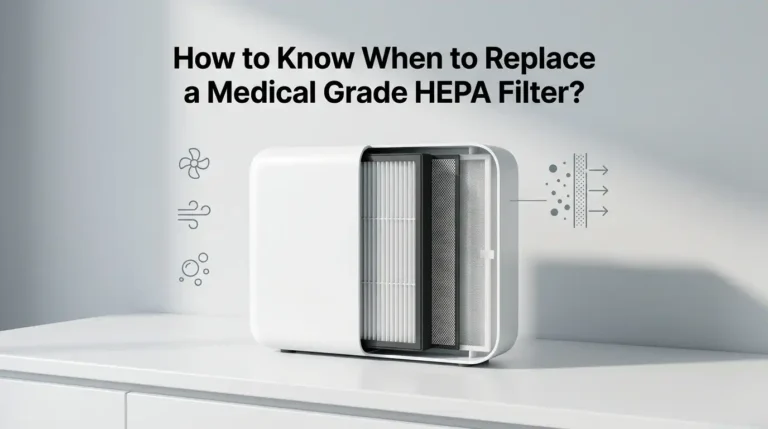
HEPA filters are the most common. True HEPA filters capture 99.97% of particles as small as 0.3 microns. These handle dust, pollen, mold spores, and pet dander. They typically last 6 to 12 months.
Activated carbon filters focus on gases, odors, and volatile organic compounds (VOCs). They use a bed of porous carbon to absorb these substances. Most need replacement every 3 to 6 months.
Pre filters are the first layer of defense. They catch large particles like hair and lint. Many pre filters are washable and reusable, which makes them the most budget friendly filter in your system.
Some air purifiers use combination filters that merge HEPA and carbon media into one unit. Check your user manual to see exactly which filter configuration your model requires. The model number is usually printed on the back or bottom of the unit.
How to Find the Correct Replacement Filter for Your Model
Using the wrong filter is one of the most common mistakes people make. A filter that does not fit properly creates gaps. Unfiltered air then bypasses the filter entirely, which defeats the purpose of running the purifier.
Start by checking your user manual. It will list the exact filter part number compatible with your unit. If you lost the manual, search for your air purifier’s model number on the manufacturer’s website.
The model number is typically located on a sticker on the back, bottom, or inside the filter compartment of your air purifier. Write it down or take a photo before you go shopping.
Pros of using manufacturer original filters: guaranteed fit, tested performance, warranty protection.
Cons of original filters: higher price compared to third party options.
Pros of compatible third party filters: lower cost, wider availability.
Cons of third party filters: variable quality, may not seal as tightly, could void your warranty.
Whichever route you choose, always double check the dimensions and part number before purchasing.
How to Safely Remove the Old Filter From Your Air Purifier
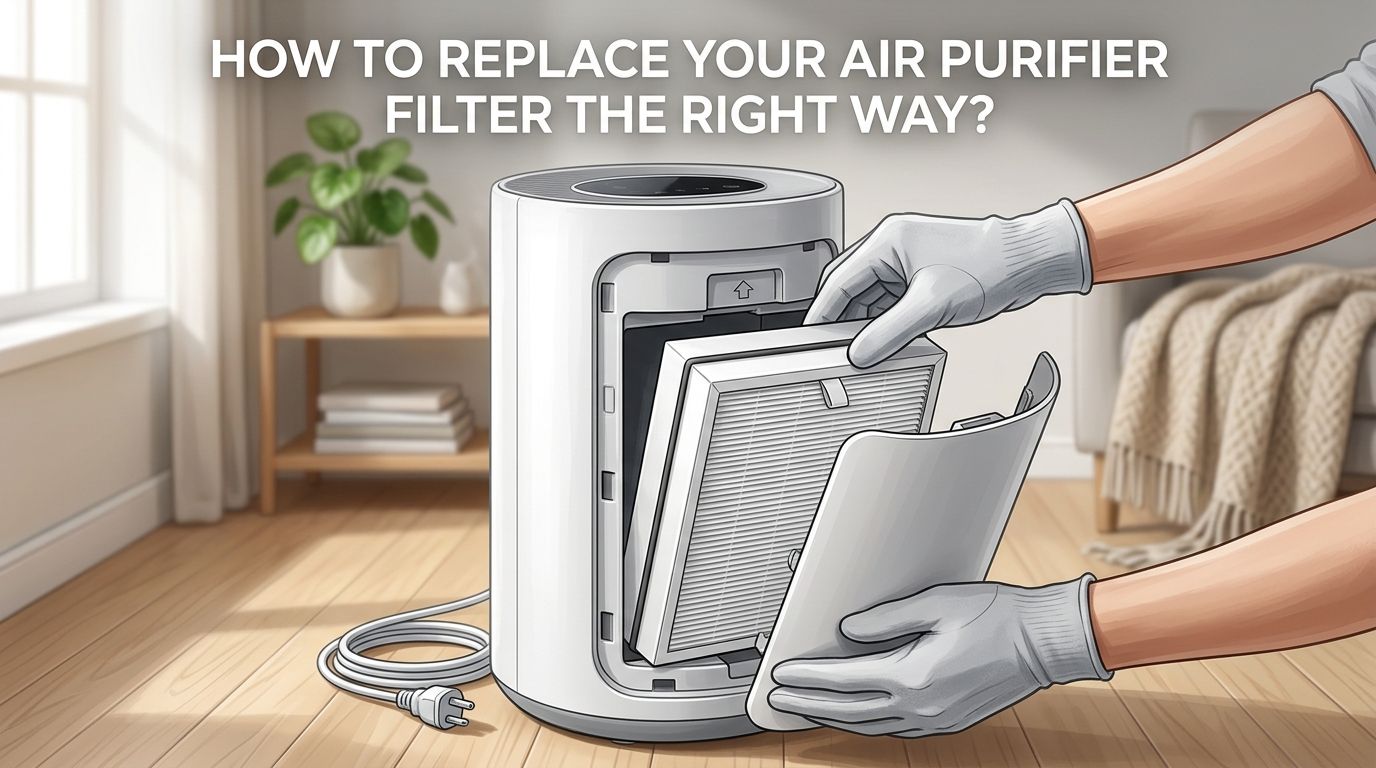
Safety comes first. Always unplug your air purifier before opening it. This prevents electrical hazards and stops the fan from accidentally turning on while your hands are inside.
Locate the filter compartment. On most models, the filter access panel is on the back or side of the unit. Some models have a front panel that pops off. Consult your manual if you are unsure.
Remove the panel by pressing the release clips, sliding it down, or unscrewing it, depending on the design. Gently pull the old filter out. Avoid shaking it, because shaking releases trapped dust and allergens back into the air.
If your unit has multiple filters, note the order they are stacked in. Pre filters go in first, then carbon filters, then the HEPA filter. Taking a quick photo with your phone before removing anything helps you remember the correct arrangement during reassembly.
Place the old filter directly into a plastic bag and seal it to contain the trapped particles.
How to Clean the Filter Compartment Before Installing a New Filter
This step is often skipped, and it should not be. Dust and debris collect inside the filter compartment over time. If you place a fresh filter into a dirty housing, you reduce its efficiency from day one.
Use a soft, dry cloth or a microfiber towel to wipe down the inside of the compartment. Pay attention to the edges and corners where dust tends to accumulate. A soft brush attachment on a vacuum cleaner also works well for this task.
Do not use water or cleaning chemicals inside the air purifier unless the manufacturer specifically says it is safe. Moisture inside electronic components can cause damage or mold growth.
Check the air intake grilles and vents on the exterior of the unit as well. Dust buildup on these surfaces restricts airflow even with a brand new filter inside. A quick wipe down every time you replace the filter keeps the whole system running at peak performance.
This simple cleaning step adds maybe two minutes to the process and makes a real difference in air quality output.
How to Install the New Filter Correctly in Your Air Purifier
Open the packaging of your new filter carefully. Some filters come wrapped in plastic that must be removed before installation. Forgetting to remove this plastic wrapping is a surprisingly common mistake that blocks all airflow.
Check for directional arrows printed on the filter frame. These arrows indicate the correct airflow direction. The arrow should point in the direction the air flows through the unit, which is usually toward the fan or motor.
Slide the new filter into the compartment. It should fit snugly with no gaps around the edges. If you feel resistance, do not force it. Recheck that you have the right filter model and that you are inserting it in the correct orientation.
If your purifier uses multiple filters, install them in the correct order: pre filter first, carbon filter second, HEPA filter last. This arrangement ensures each filter handles the particle sizes it was designed for.
Close the access panel securely. You should hear a click or feel it snap into place. A loose panel can create air leaks and cause extra noise during operation.
How to Reset the Filter Indicator Light After Replacement
Many air purifiers track filter usage through a built in timer. After you replace the filter, you need to reset this indicator so it starts counting from zero again.
The reset method varies by brand. On many models, you press and hold the filter reset button for 3 to 5 seconds until the indicator light turns off or changes color. Some units require you to hold the power button and the filter button at the same time.
If your purifier does not have a dedicated reset button, check the user manual for the specific button combination. Some models reset automatically when you power cycle the unit after filter replacement.
Failing to reset the indicator means the light will stay on permanently, which makes it useless as a future reminder. You will then have no reliable way to know when the next replacement is due unless you track it manually.
After resetting, consider writing the installation date on the new filter frame with a marker. This gives you a visual backup reminder independent of the electronic indicator.
How to Decide Between Washable and Disposable Air Purifier Filters
This is a question many people face. Each type has clear advantages and drawbacks.
Washable filters can be rinsed under water and reused multiple times. They reduce waste and save money over the long run. The average washable filter costs $25 to $75 and can last several years with proper care.
Pros of washable filters: lower long term cost, less waste, good for capturing large particles.
Cons of washable filters: lower filtration efficiency for fine particles, require thorough drying to prevent mold, need regular cleaning every 2 to 4 weeks.
Disposable filters, especially True HEPA types, offer the highest level of filtration. They capture 99.97% of particles at 0.3 microns, which washable filters cannot match.
Pros of disposable filters: superior filtration, no cleaning effort, consistent performance.
Cons of disposable filters: recurring cost, environmental waste, need regular purchasing.
If you or someone in your household has allergies or asthma, disposable HEPA filters are the better choice. For general dust control in a low allergen environment, washable filters can work just fine.
How to Extend the Life of Your Air Purifier Filter and Save Money
Replacing filters costs money, so making them last as long as possible without losing performance is smart. A few simple habits can significantly extend filter life.
Keep the area around your air purifier clean. Vacuuming and dusting your room regularly means fewer particles reach the filter. This reduces the load on the filter and slows down clogging.
Use the pre filter effectively. If your unit has a washable pre filter, clean it every two weeks. The pre filter catches large debris before it reaches the main HEPA or carbon filter. A clean pre filter directly extends the life of your more expensive inner filters.
Place your air purifier in the right spot. Keep it at least one to two feet away from walls and furniture to ensure proper airflow. Restricted airflow forces the fan to work harder and pushes more strain through the filter.
Run the purifier on a lower speed when air quality is good. Higher fan speeds pull more air and particles through the filter faster, which shortens its usable life. Many smart purifiers have auto modes that adjust fan speed based on real time air quality readings.
How to Properly Dispose of Used Air Purifier Filters
Old filters are full of trapped pollutants. Proper disposal protects your health and the environment.
For used HEPA filters, place them in a sealed plastic bag immediately after removal. Do not shake or compress the filter. Tie or tape the bag shut to contain the particles inside. Dispose of the sealed bag in your regular household trash.
Most HEPA filters cannot be recycled because the trapped contaminants make them unsuitable for recycling facilities. Activated carbon filters should also go in the regular trash for the same reason.
If your filter has a hard plastic frame, you can separate the frame from the filter media. The plastic frame may be recyclable depending on your local recycling guidelines. The filter media itself should still be bagged and trashed.
Some manufacturers are developing filter take back or recycling programs. Check your brand’s website to see if such a program exists for your specific filter type. This is still uncommon, but the option is growing.
For washable pre filters that have reached the end of their usable life, rinse them one last time, let them dry, and dispose of them in regular waste.
How to Avoid the Most Common Mistakes When Replacing Air Purifier Filters
People make the same errors over and over. Knowing these mistakes ahead of time helps you avoid them.
Mistake 1: Forgetting to remove the plastic wrapping from the new filter. This thin plastic protects the filter during shipping. Leaving it on blocks all airflow and makes the purifier useless.
Mistake 2: Not cleaning the inside of the purifier during a filter change. Accumulated dust inside the unit gets pushed into the new filter immediately, reducing its lifespan from the start.
Mistake 3: Installing the filter backwards. Airflow direction matters. Look for the directional arrow on the filter frame and match it to the airflow path in your unit.
Mistake 4: Delaying replacement past the recommended schedule. A clogged filter forces the motor to work harder. This increases energy consumption and can cause the motor to overheat and fail.
Mistake 5: Using the wrong filter model. An ill fitting filter creates gaps that allow unfiltered air to pass through. Always verify the part number before purchasing.
How to Set Up a Filter Replacement Schedule That Works for You
A replacement schedule removes the guesswork. Set a recurring reminder on your phone or calendar based on the manufacturer’s recommended timeline for each filter type in your unit.
For most households, a practical schedule looks like this. Clean washable pre filters every 2 to 4 weeks. Replace activated carbon filters every 3 to 6 months. Replace HEPA filters every 6 to 12 months.
If you have pets, live in a high pollution area, or run the purifier continuously, shorten these intervals. Pet owners often need to replace HEPA filters every 6 months rather than 12.
Keep a small supply of replacement filters at home so you are never caught without one. Running a purifier with an expired filter is worse than turning it off because the unit consumes electricity while providing minimal air cleaning benefit.
Track your usage by writing the installation date directly on the filter or on a sticky note attached to the unit. This simple habit ensures you always know exactly how old your current filter is.
How often should I replace my air purifier filter?
HEPA filters should be replaced every 6 to 12 months under normal use. Activated carbon filters last about 3 to 6 months. Pre filters that are washable should be cleaned every 2 to 4 weeks and replaced when they show signs of wear or damage. Homes with pets or heavy pollution may require more frequent changes.
Can I wash and reuse a HEPA filter?
Standard HEPA filters are not washable. Water damages the tightly woven fibers and reduces filtration efficiency. Some purifiers come with washable pre filters, but the main HEPA filter should be replaced with a new one. Only wash a filter if the manufacturer clearly labels it as washable.
What happens if I do not replace my air purifier filter?
A clogged filter restricts airflow and forces the motor to work harder. This increases energy use and can shorten the lifespan of the purifier. Air quality in your home drops because the filter can no longer capture particles effectively. Allergy and asthma symptoms may worsen as a result.
Is it worth buying third party replacement filters?
Third party filters can save you money and often work well. However, quality varies between brands. Some may not seal as tightly as original filters, which lets unfiltered air pass through. If your purifier is still under warranty, check whether using third party filters voids the warranty before buying.
How do I know which filter fits my air purifier?
Check the user manual for the recommended filter part number. You can also find the model number on a sticker on the back or bottom of the unit and search for compatible filters on the manufacturer’s website. Always match the exact part number and dimensions to ensure a proper fit.
Can I run my air purifier without a filter temporarily?
Running an air purifier without a filter is not recommended. The unit will move air, but it will not clean it. Dust and particles will pass straight through and may settle inside the motor and fan assembly, which can cause damage over time. Always have a replacement ready before removing the old filter.

I’m Maya Brown, the voice behind Pure Breeze Vault. I write detailed, honest, and easy-to-follow air purifier reviews to help readers compare features, understand filter technologies, and choose products with confidence. My goal is to make research simpler, clearer, and more practical for anyone improving indoor air quality at home.