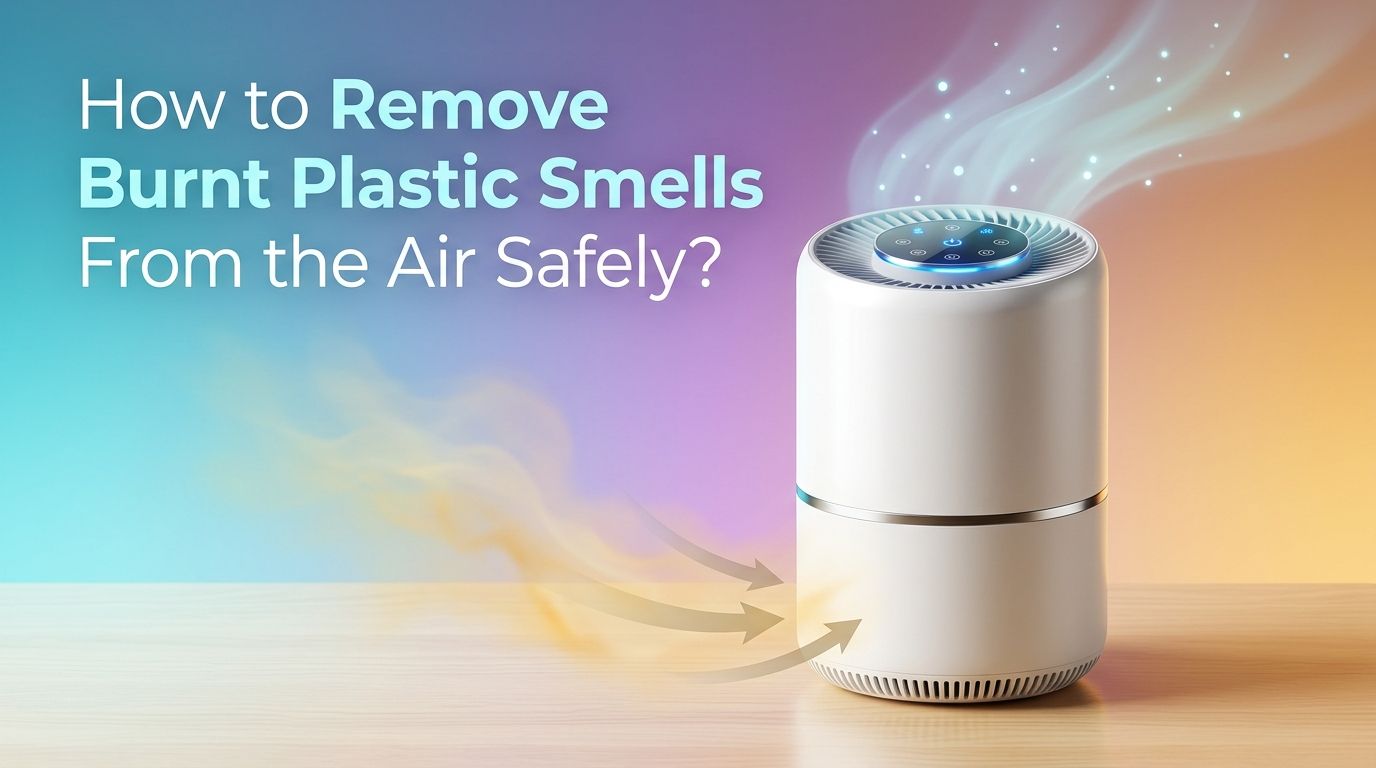
How to Remove Burnt Plastic Smells From the Air Safely?
That sudden, sharp burnt plastic smell can stop you in your tracks. Whether a container melted on the stove, a toy fell on a heater, or an appliance overheated, the lingering odor is more than just unpleasant.
Burnt plastic fumes can release volatile organic compounds (VOCs), hazardous air pollutants, and even carcinogens like dioxins and furans. Your lungs, eyes, and throat are at immediate risk.
The smell might fade on its own after several hours, but the invisible toxins can stick around much longer. The good news? You can safely clear the air using simple household items and a few smart strategies.
In a Nutshell
- Ventilation is your first and most important step. Open every window and door in your home immediately. Turn on exhaust fans and ceiling fans to push contaminated air outside. Cross ventilation, where air flows in from one side and out the other, is the fastest way to reduce fume concentration indoors.
- Identify and remove the source of the smell before doing anything else. If melted plastic is still on a hot surface, turn off the heat source and carefully remove the plastic once it cools. Leaving the source in place will keep releasing fumes and make all other cleanup efforts less effective.
- Natural odor absorbers like baking soda, white vinegar, and activated charcoal can neutralize lingering smells. These items trap and break down odor molecules instead of just masking them. Place bowls of these absorbers around the affected area for best results.
- Wipe down all hard surfaces in the room with a vinegar and water solution. Burnt plastic particles settle on walls, countertops, furniture, and floors. A thorough wipe down removes these residue particles and speeds up odor removal significantly.
- Use air purifiers with HEPA and activated carbon filters for persistent smells. These devices capture fine particulate matter and absorb chemical fumes. They are especially helpful for people with asthma, allergies, or other respiratory conditions.
- Seek medical attention if you experience headaches, dizziness, nausea, or difficulty breathing after exposure. Burnt plastic fumes from materials like PVC and polyurethane can release hydrogen chloride and hydrogen cyanide. These chemicals are harmful even in small amounts.
Why Burnt Plastic Smells Are Dangerous
Burnt plastic releases a cocktail of harmful chemicals into the air. These include volatile organic compounds (VOCs), particulate matter, dioxins, furans, and in some cases, hydrogen cyanide. The type of plastic determines the exact toxins released. PVC plastic, for example, releases hydrochloric acid gas when burned.
Short term exposure can cause eye irritation, coughing, sore throat, headaches, and nausea. Longer or repeated exposure is linked to chronic respiratory issues, hormonal disruption, and an increased cancer risk. Children, elderly individuals, and people with asthma face even greater risks.
The smell itself is a warning signal from your body. If you can smell it, you are breathing it in. Take the smell seriously and act fast to protect your health and the health of everyone in your home.
Identify and Remove the Source First
Before you start clearing the air, find out what caused the smell. Common sources include melted containers on stovetops, overheated appliances, plastic items left near heaters, and electrical faults. A burnt plastic smell from your HVAC system could signal a wiring issue that needs professional attention.
Once you find the source, turn off the heat and unplug any involved appliances. Let the melted plastic cool completely before you attempt to remove it. Trying to scrape hot plastic can release even more fumes and cause burns.
If you cannot find the source and the smell persists, contact an electrician or HVAC technician. Hidden electrical problems behind walls or inside ductwork can produce a burning plastic odor. Ignoring this could lead to a house fire.
Open Windows and Maximize Ventilation
Ventilation is the fastest and most effective first response. Open every window and exterior door in your home. Create cross ventilation by opening windows on opposite sides of the house. This creates a natural airflow path that pushes contaminated air outside.
Turn on all exhaust fans in your kitchen and bathrooms. Ceiling fans should be set to push air downward and out through open windows. If you have a box fan, place it in a window facing outward to actively pull indoor air outside.
Pros: Free, immediate, and highly effective at reducing fume concentration.
Cons: Depends on weather and outdoor air quality. Not ideal during rain, extreme cold, or wildfire smoke events.
Keep windows open for at least two to four hours. For strong smells, you may need to ventilate overnight. The goal is to replace the contaminated indoor air with fresh outdoor air multiple times.
Use White Vinegar to Absorb the Odor
White vinegar is a powerful natural odor neutralizer. Its acetic acid content breaks down odor molecules rather than simply covering them up. This makes it far more effective than air fresheners or scented sprays for chemical smells.
Fill several small bowls with undiluted white vinegar. Place them around the affected room, especially near the source of the smell. Leave the bowls in place for 12 to 24 hours to allow full absorption.
You can also boil a pot of water with one cup of vinegar on the stove. The steam carries the vinegar throughout the room and reaches spots that bowls alone cannot. This method works especially well in kitchens where the burning incident occurred.
Pros: Cheap, non toxic, and effective at neutralizing chemical odors at the molecular level.
Cons: The vinegar smell itself can be strong while it works. It fades once you remove the bowls and ventilate.
For surfaces, mix equal parts white vinegar and water in a spray bottle. Wipe down countertops, walls, cabinets, and any hard surface where fume residue may have settled.
Place Baking Soda Around the Affected Area
Baking soda is another excellent odor absorber you probably already have in your kitchen. Sodium bicarbonate works by neutralizing both acidic and basic odor molecules on contact. It does not mask smells. It eliminates them.
Sprinkle baking soda generously on carpets, rugs, and upholstered furniture. Let it sit for at least four to six hours, or preferably overnight. Then vacuum it up thoroughly. The baking soda will have absorbed odor particles trapped in the fibers.
For air purification, fill open containers or shallow bowls with baking soda and place them around the room. You can add a few drops of lemon essential oil for a fresh scent, but this is optional.
Pros: Inexpensive, safe around children and pets, and readily available.
Cons: Works slowly compared to vinegar or activated charcoal. Best used as a supporting method alongside ventilation.
Try Activated Charcoal for Stubborn Smells
Activated charcoal is one of the most effective odor eliminators available. It has a massive surface area due to its porous structure, which allows it to trap large amounts of chemical compounds and odor molecules. Studies show it outperforms baking soda in odor absorption capacity.
Place activated charcoal bags or loose activated charcoal in bowls around the room. Focus on areas where the smell is strongest. Leave the charcoal in place for two to three days for maximum effect.
You can find activated charcoal at pet stores, hardware stores, and pharmacies. It is the same material used in water filtration systems and air purifiers. Make sure you use activated charcoal, not regular barbecue charcoal, which is not processed to absorb odors.
Pros: Extremely effective for chemical and smoke odors. Reusable after reactivation in sunlight.
Cons: Can be messy if loose charcoal spills. Takes longer to show results than ventilation or vinegar.
Wipe Down All Surfaces Thoroughly
Burnt plastic fumes do not just float in the air. Tiny particles settle on every surface in the room, including walls, ceilings, countertops, light fixtures, and furniture. If you skip surface cleaning, the smell will keep returning even after the air clears.
Mix a cleaning solution of one part white vinegar to one part warm water. Wipe down all hard surfaces in the affected rooms. Pay extra attention to kitchen cabinets, appliance surfaces, window sills, and ceiling fan blades.
For fabric items like curtains, pillow covers, and tablecloths, wash them in hot water with a cup of baking soda added to the wash cycle. This removes odor particles trapped in the fibers that regular detergent alone may miss.
Pros: Removes the physical residue that causes lingering odors. Prevents the smell from reappearing.
Cons: Time consuming, especially in large or heavily affected areas. May require multiple rounds for severe cases.
Use an Air Purifier With Carbon Filters
An air purifier with both a HEPA filter and an activated carbon filter is the gold standard for removing burnt plastic smells. The HEPA filter captures fine particulate matter down to 0.3 microns. The carbon filter absorbs VOCs and chemical gases that HEPA filters cannot catch.
Place the air purifier in the most affected room and run it on the highest setting. Keep doors and windows closed while the purifier runs for maximum efficiency. Most purifiers can cycle the air in a standard room several times per hour.
Pros: Removes both particles and chemical fumes. Provides ongoing air quality improvement. Ideal for people with respiratory conditions.
Cons: Requires an upfront investment. Filters need regular replacement. Less effective in very large open spaces without adequate unit capacity.
If you already own an air purifier but it only has a HEPA filter, it will still help with particles but will not remove chemical odors effectively.
Boil Citrus Peels or Cinnamon Sticks
This is a simple and pleasant way to help freshen the air while other methods work on the deeper odor. Boiling citrus peels releases natural oils that can help neutralize and mask residual odors. Lemon, orange, and grapefruit peels all work well.
Fill a pot with water. Add the peels of two to three citrus fruits and a few cinnamon sticks. Bring the water to a boil, then reduce to a simmer. Let the mixture simmer for one to two hours, adding water as needed.
The steam carries the citrus oils throughout your home. This method pairs well with open windows and baking soda bowls for a combined approach.
Pros: Natural, pleasant smelling, and safe. Uses kitchen scraps that would otherwise go to waste.
Cons: Masks odor more than it eliminates it. Should be used alongside true odor removal methods, not as a standalone solution.
Wash Soft Furnishings and Fabrics
Soft materials in your home act like sponges for airborne odor particles. Curtains, couch cushion covers, throw blankets, bed linens, and clothing in open closets can all absorb the burnt plastic smell. Ignoring these items will keep the odor alive in your home.
Wash all removable fabrics in the hottest water safe for the material. Add half a cup of baking soda along with your regular detergent for extra odor fighting power. For items you cannot machine wash, sprinkle them with baking soda, let it sit for several hours, and then vacuum.
Steam cleaning is another effective option for upholstered furniture and carpets. The heat from the steam helps release trapped odor molecules while the moisture carries them away.
Pros: Removes odor at the source rather than just treating the air. Prevents recurring smell.
Cons: Labor intensive. Some delicate fabrics may not tolerate hot water or baking soda treatment.
Check Your HVAC System and Replace Filters
If the burnt plastic smell entered your HVAC system, it can recirculate through your entire home every time the system runs. This is one of the most common reasons people report that the smell keeps coming back even after thorough cleaning.
Turn off your HVAC system and check the air filter. If the incident was significant, replace the filter entirely rather than trying to clean it. A contaminated filter will push the smell back into your air supply every time the blower turns on.
Consider having your ductwork professionally cleaned if the smell persists after replacing filters. Fume residue can coat the interior of your ducts and continue to cause odor issues for weeks.
Pros: Addresses a hidden and often overlooked source of lingering odors. Improves overall air quality.
Cons: Duct cleaning can be costly. Filter replacement adds an ongoing expense.
Know When to Call a Professional
Some situations require professional help. If the burnt plastic smell persists for more than 48 hours after following all the steps above, you may need an indoor air quality specialist. Persistent odors could indicate that fumes have penetrated deep into building materials like drywall, insulation, or subflooring.
Ozone generators are sometimes used by restoration professionals for severe odor problems. These machines produce ozone gas that breaks down odor molecules at a chemical level. However, ozone is harmful to breathe, so the home must be unoccupied during treatment.
Contact a professional immediately if the smell originated from an electrical source. Burning electrical insulation or wiring is a fire hazard that requires inspection by a licensed electrician. Do not attempt to diagnose electrical problems yourself.
Pros: Professional grade equipment removes odors that household methods cannot. Ensures safety from electrical hazards.
Cons: Expensive. May require you to leave your home temporarily during treatment.
Prevent Future Burnt Plastic Incidents
Prevention is always easier than cleanup. Keep all plastic items, bags, and containers away from stovetops, heaters, and other heat sources. This is the single most common cause of burnt plastic smells in homes.
Inspect your appliances regularly for signs of wear. Frayed cords, discolored outlets, and unusual warmth from appliances can signal a problem before it becomes a fume producing incident. Replace aging appliances before they become hazards.
Install smoke detectors and carbon monoxide detectors on every level of your home. Keep a fire extinguisher in the kitchen and know how to use it. Teach every family member what to do if they smell burning plastic, including immediate ventilation and evacuation if needed.
Consider setting up a basic indoor air quality monitor. These devices track VOC levels, particulate matter, and humidity. They can alert you to air quality problems before your nose even picks up the smell.
Frequently Asked Questions
How long does burnt plastic smell last in a house?
The smell can last anywhere from a few hours to several days, depending on the amount of plastic burned and the ventilation in your home. Small incidents, like a melted container lid, typically clear within a few hours with open windows. Larger incidents may require two to three days of active odor removal using vinegar, baking soda, activated charcoal, and air purification.
Is it safe to sleep in a room that smells like burnt plastic?
It is not recommended to sleep in a room with a strong burnt plastic smell. The fumes can contain harmful chemicals that irritate your respiratory system and may cause headaches or nausea. Ventilate the room thoroughly and use odor absorbers first. If the smell is faint and nearly gone, sleeping in the room is generally safe, but keep a window cracked open for fresh air.
Can burnt plastic fumes cause long term health problems?
Yes, repeated or prolonged exposure can pose serious health risks. Burnt plastic can release carcinogens, endocrine disruptors, and respiratory irritants. A single brief exposure from a small kitchen accident is unlikely to cause lasting harm. However, if you experience persistent symptoms like coughing, wheezing, or shortness of breath after exposure, see a doctor promptly.
Does boiling vinegar remove burnt plastic smell?
Boiling or simmering vinegar helps remove the smell, but it works best as part of a multi step approach. The steam carries acetic acid through the air, which neutralizes odor molecules. Combine this method with open windows, surface wiping, and baking soda for the most effective results.
What should I do if I accidentally inhaled burnt plastic fumes?
Move to fresh air immediately. Open windows or go outside. If you feel dizzy, nauseous, or have trouble breathing, call poison control or seek emergency medical help. For mild symptoms like a slight sore throat or headache, monitor yourself closely and drink plenty of water. Most minor exposures resolve on their own within a few hours.
Will an air purifier remove burnt plastic smell completely?
An air purifier with an activated carbon filter can significantly reduce burnt plastic smells. The carbon filter absorbs VOCs and chemical gases, while a HEPA filter captures particulate matter. However, an air purifier alone may not fully eliminate the smell if residue has settled on surfaces and fabrics. Pair it with thorough cleaning for complete odor removal.

I’m Maya Brown, the voice behind Pure Breeze Vault. I write detailed, honest, and easy-to-follow air purifier reviews to help readers compare features, understand filter technologies, and choose products with confidence. My goal is to make research simpler, clearer, and more practical for anyone improving indoor air quality at home.