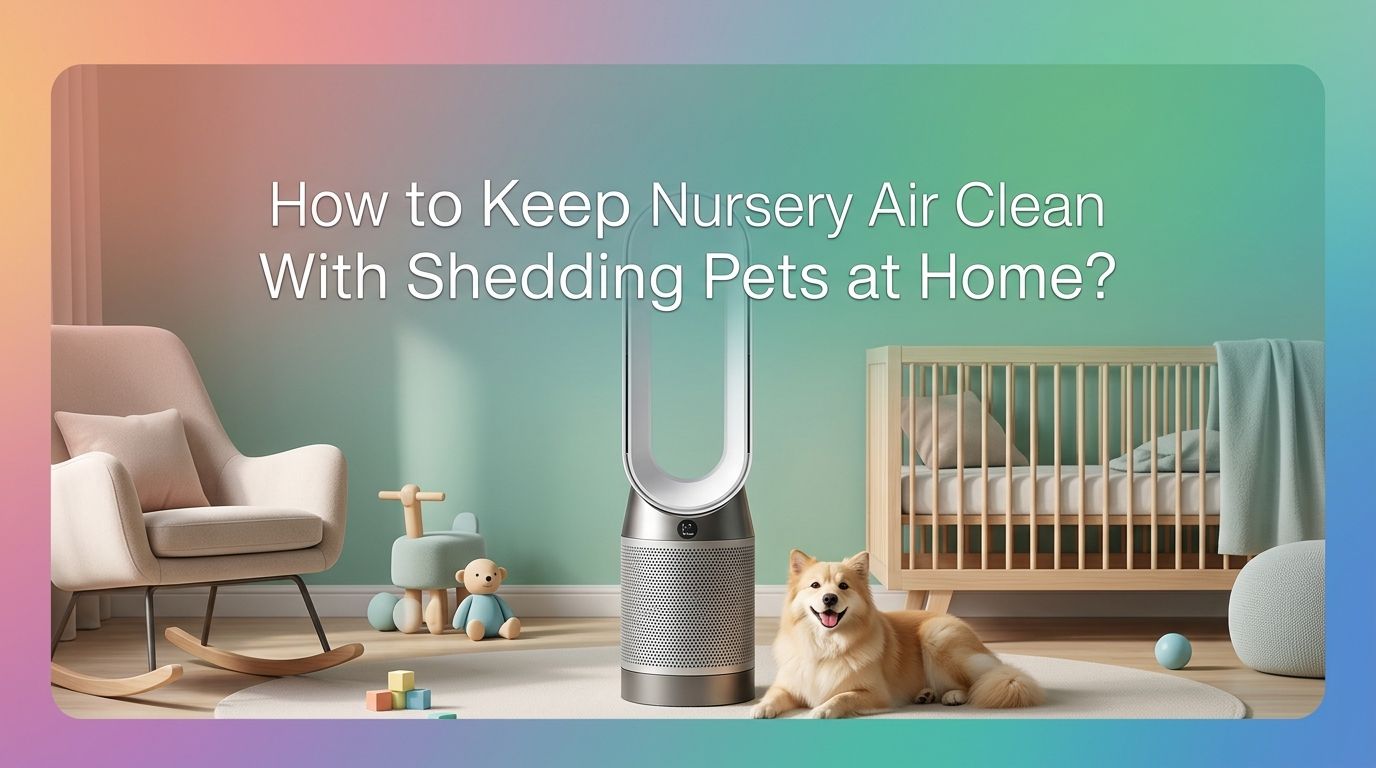
How to Keep Nursery Air Clean With Shedding Pets at Home?
You love your pets. You also want the cleanest, safest air for your newborn. These two realities can feel like they are pulling you in different directions, especially during heavy shedding seasons.
Pet dander particles range from 0.1 to 25 microns in size, and they can stay airborne for hours. Even worse, pet allergens can linger on surfaces for four to six months if left unaddressed.
The good news? You do not have to choose between your furry family members and your baby’s health. With the right approach, you can dramatically reduce airborne pet hair, dander, and allergens in your nursery.
In a Nutshell
- Pet dander is the main concern, not just visible fur. Dander particles are microscopic and can stay suspended in the air for extended periods. They cling to walls, furniture, fabrics, and clothing. Removing visible pet hair alone will not solve the problem.
- A True HEPA air purifier is your strongest tool. HEPA filters capture 99.97% of airborne particles as small as 0.3 microns, which includes most pet dander. Running one in the nursery 24/7 makes a measurable difference in air quality.
- The nursery should be a pet free zone. Keeping your pets out of the baby’s room is the single most effective way to reduce allergen exposure. This does not mean isolating your pets. It simply means giving your baby one protected space.
- Regular grooming cuts shedding at the source. Brushing your pet every one to two days removes loose fur and dander before it becomes airborne. Bathing with a gentle, pet safe shampoo every few weeks helps even more.
- Hard surface flooring traps fewer allergens than carpet. Carpets hold pet dander deep in their fibers, making full removal very difficult. Hardwood, tile, vinyl, or cork floors in the nursery are much easier to keep allergen free.
- Consistent cleaning matters more than deep cleaning once in a while. Vacuuming with a HEPA filter vacuum, damp mopping, and washing nursery fabrics in hot water weekly will keep allergen levels consistently low.
How to Understand Why Pet Dander Is a Problem for Babies?
Babies have developing immune systems and smaller airways than adults. This makes them more sensitive to airborne irritants, including pet dander. Dander is made up of tiny flakes of skin that pets shed naturally. It is not the same as fur, although fur carries dander with it.
Pet dander particles can be as small as 0.1 microns, which means they are invisible to the naked eye. According to IQAir, these particles easily become airborne and can remain suspended in the air for long periods. Once inhaled, they can trigger allergic reactions, respiratory irritation, or worsen conditions like infant eczema.
The risk increases when dander accumulates indoors over time. Studies show that pet allergens can remain at high levels in a home for months, even after significant cleaning. For a nursery, this means prevention and daily maintenance matter more than occasional deep cleans.
How to Create a Pet Free Zone in the Nursery?
The most effective step you can take is to keep your pets out of the nursery entirely. This creates a controlled environment where dander levels stay as low as possible. Install a baby gate or keep the nursery door closed at all times to enforce this boundary.
Even if your pet never enters the room, dander can still travel on your clothing, hands, and through air ducts. That is why a pet free zone works best in combination with other strategies like air filtration and regular cleaning.
Pros: Immediate and significant reduction in airborne pet allergens in the nursery. No cost involved.
Cons: Requires consistent discipline, especially if your pet is used to roaming freely. Dander can still enter on clothing and through HVAC systems.
Start this habit before the baby arrives so your pet adjusts to the new boundary gradually.
How to Choose the Right Air Purifier for a Nursery?
An air purifier with a True HEPA filter is the gold standard for removing pet dander from indoor air. True HEPA filters capture 99.97% of particles as small as 0.3 microns. This covers the vast majority of pet dander, dust mites, and pollen.
Look for a unit that is rated for the square footage of your nursery. An undersized purifier will not circulate and filter the air effectively. Also check that it operates quietly, since it will run near a sleeping baby. Many models offer a sleep or silent mode for this reason.
Pros: Highly effective at removing microscopic allergens. Runs continuously to maintain clean air around the clock.
Cons: Requires regular filter replacements, which add ongoing cost. Some units produce a low hum that might bother light sleepers.
Avoid purifiers that generate ozone, as ozone can irritate a baby’s lungs. Stick to mechanical HEPA filtration.
How to Groom Your Pet to Reduce Shedding?
Regular grooming is one of the best ways to stop dander and loose fur at the source. Brushing your pet every one to two days removes dead hair before it can become airborne. For long haired breeds, brushing two to three times per week is the minimum recommendation during shedding season.
Bathing your pet with a mild, pet safe shampoo every two to four weeks helps wash away accumulated dander. The ASPCA recommends using products that do not strip natural oils from your pet’s coat, as dry skin actually increases dander production.
A healthy diet rich in omega 3 fatty acids also supports skin health and can reduce excessive shedding. Ask your veterinarian about supplements if your pet sheds heavily year round.
Pros: Reduces the amount of allergens produced at the source. Improves your pet’s coat and skin health.
Cons: Time consuming, especially with multiple pets. Some pets resist regular grooming sessions.
How to Pick the Best Flooring for a Nursery With Pets?
Carpet is one of the worst surfaces for trapping and holding pet dander. Dander settles deep into carpet fibers and is very hard to remove completely, even with a HEPA vacuum. If you have the option, switch to hard surface flooring in the nursery.
Hardwood, tile, luxury vinyl plank, and cork are all excellent choices. These surfaces allow you to wipe up dander and hair quickly with a damp mop. Cork flooring has the added benefit of being a natural antimicrobial material that also absorbs sound, which is great for a baby’s room.
Pros: Hard floors are easy to clean and do not trap allergens. They provide a visually clean environment.
Cons: Hard floors can feel cold underfoot. Installation cost may be high depending on the material. Area rugs (washable ones) may be needed for comfort.
If removing carpet is not possible, vacuum the nursery carpet at least two to three times per week with a vacuum that has a sealed HEPA filtration system.
How to Improve Nursery Ventilation Without Letting Allergens In?
Good air circulation helps prevent dander and other particles from settling and concentrating in one area. You can improve ventilation by opening a window briefly each day when outdoor air quality is good. Even 10 to 15 minutes of fresh air exchange can make a difference.
A ceiling fan set on low speed also promotes gentle air movement without creating a strong draft. Research has shown that proper air circulation in a baby’s room may even reduce the risk of Sudden Infant Death Syndrome (SIDS) by preventing the buildup of exhaled carbon dioxide.
Pros: Free and simple to implement. Improves overall air freshness and oxygen levels.
Cons: Opening windows during allergy season or in polluted areas can bring in outdoor allergens. Drafts may make the room too cold in winter.
Balance ventilation with filtration by running your HEPA air purifier at the same time you open the window.
How to Clean the Nursery to Remove Pet Allergens?
Consistent cleaning is more effective than occasional deep cleans. Damp mopping hard floors twice a week captures dander that dry sweeping would just push back into the air. Use a microfiber cloth for dusting surfaces, as it holds onto particles instead of spreading them.
Wash all nursery bedding, blankets, and removable fabric covers in hot water (at least 130°F or 54°C) weekly. Hot water kills dust mites and removes embedded pet allergens. Avoid using heavily scented detergents, as these can add chemical irritants to the nursery air.
Wipe down hard surfaces like the crib rails, changing table, and shelving with a damp cloth at least once a week. Pay special attention to surfaces near the floor, as dander tends to settle downward.
Pros: Directly removes accumulated allergens from all nursery surfaces. Uses supplies you likely already own.
Cons: Requires ongoing time and effort. Can feel repetitive when done multiple times per week.
How to Manage Your HVAC System for Cleaner Nursery Air?
Your heating, ventilation, and air conditioning system circulates air throughout your entire home. If your pet sheds in the living room, that dander can travel through air ducts and into the nursery. Replacing your HVAC filter regularly is a critical and often overlooked step.
Use a filter with a MERV rating of 11 or higher to capture pet dander effectively. Standard fiberglass filters with low MERV ratings do not catch small allergen particles. Check and replace your HVAC filter every 60 to 90 days, or more often if you have multiple shedding pets.
Consider having your air ducts professionally cleaned once a year, especially before the baby arrives. This removes built up dander, dust, and debris from the duct system.
Pros: Addresses allergen circulation at a whole house level. A high quality filter is relatively affordable.
Cons: Duct cleaning can be expensive. Higher MERV rated filters may reduce airflow in older HVAC systems.
How to Use Washable Textiles in the Nursery?
Fabrics in the nursery can act as dander magnets. Curtains, rugs, stuffed animals, and upholstered furniture all trap pet allergens over time. Choose washable, machine friendly textiles for everything in the nursery that you can.
Opt for roller blinds or washable curtains instead of heavy drapes. If you use an area rug, select one that you can toss in the washing machine regularly. Keep stuffed animals to a minimum, or wash them in hot water every one to two weeks.
Hypoallergenic crib mattress covers and pillow protectors add another layer of defense. These tightly woven covers prevent dander from settling into bedding materials where it is hard to remove.
Pros: Washable textiles let you reset the allergen level in the nursery frequently. They are an affordable and simple solution.
Cons: Frequent washing adds to laundry loads. Some hypoallergenic covers may feel less soft than standard options.
How to Control Humidity to Reduce Airborne Dander?
Humidity levels play a surprising role in indoor air quality. The EPA recommends keeping indoor humidity between 30% and 50%. Air that is too dry causes pet skin to flake more, which increases dander production. Air that is too humid encourages mold and dust mite growth.
A small hygrometer in the nursery will let you monitor levels easily. In dry months, a cool mist humidifier can bring humidity up to a healthy range. In humid climates, a dehumidifier or your air conditioning system can bring levels down.
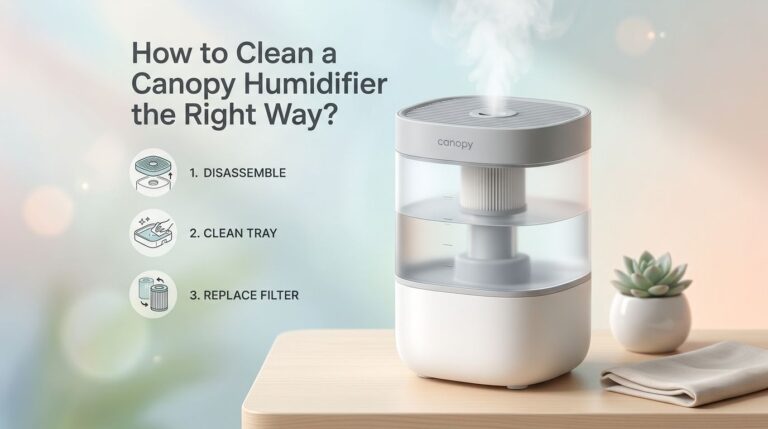
Avoid warm mist humidifiers in the nursery because they pose a burn risk and can promote bacterial growth if not cleaned properly.
Pros: Proper humidity reduces dander production and limits dust mite activity. Improves comfort for both baby and adults.
Cons: Humidifiers require regular cleaning to prevent mold. Monitoring humidity adds one more task to your routine.
How to Wash Your Hands and Change Clothes Before Entering the Nursery?
This simple habit makes a bigger difference than most parents expect. Pet dander clings to clothing, hair, and skin. Every time you handle your pet and then pick up your baby, you transfer allergens directly.
Wash your hands with soap and water after touching your pet and before entering the nursery. If you have been cuddling or grooming your pet, consider changing your shirt before holding your baby. Keep a clean shirt or robe near the nursery door for quick changes.
This is especially important during peak shedding seasons in spring and fall, when dander levels in your home are at their highest.
Pros: Extremely effective at reducing direct allergen transfer to the baby. Costs nothing.
Cons: Easy to forget in the middle of busy days. May feel excessive at first until it becomes a habit.
How to Monitor Nursery Air Quality Over Time?
You cannot fix what you cannot measure. An indoor air quality monitor placed in the nursery gives you real data on particulate matter, humidity, and sometimes volatile organic compounds. This lets you see whether your efforts are actually working.
Many monitors display readings in real time and can alert you when air quality drops below a safe threshold. If you notice a spike in particulate levels, you can take immediate action by checking your air purifier, cleaning the room, or adjusting ventilation.
Track patterns over weeks and months to identify when allergen levels rise. This often correlates with seasonal shedding changes or HVAC filter age.
Pros: Gives you objective data to guide your decisions. Helps you catch problems before they affect your baby.
Cons: Quality monitors can be a significant upfront purchase. Some models require calibration or have limited accuracy for very fine particles.
How to Talk to Your Pediatrician About Pets and Baby Allergies?
If your baby shows signs of allergic reactions such as persistent sneezing, skin rashes, watery eyes, or congestion, talk to your pediatrician promptly. These symptoms can look like a common cold but may indicate an allergic response to pet dander.
Your pediatrician can recommend allergy testing if symptoms persist. Early identification of a pet allergy allows you to make informed decisions about your home environment. In many cases, the strategies in this post will be enough to manage mild sensitivities without rehoming your pet.
Some research suggests that early exposure to pets may actually strengthen a child’s immune system over time. However, this benefit depends on the individual child’s health profile. Your doctor can give you personalized guidance based on your baby’s specific needs.
Pros: Professional advice gives you a clear path forward. Early detection prevents chronic issues.
Cons: Allergy testing for very young babies may not always be definitive. Multiple doctor visits may be needed to track symptoms over time.
Frequently Asked Questions
How to Know if My Baby Is Allergic to Pet Dander?
Common signs include frequent sneezing, a runny nose, red or watery eyes, and skin rashes or eczema flare ups. If these symptoms appear mostly at home and improve when your baby is away from the house, pet dander could be a trigger. Schedule an appointment with your pediatrician to discuss testing options.
How to Decide if an Air Purifier Is Worth the Investment for the Nursery?
If you have shedding pets and your baby spends significant time in the nursery, a HEPA air purifier is one of the most effective tools available. Studies confirm that HEPA filtration removes mites, cat allergens, and dog allergens from indoor air effectively. The ongoing cost of filter replacements is the main consideration.
How to Reduce Pet Dander if I Cannot Afford an Air Purifier?
Focus on the free and low cost strategies. Keep the nursery door closed, groom your pet daily, damp mop floors regularly, wash nursery fabrics in hot water weekly, and change clothes before entering the nursery. These combined steps significantly reduce dander exposure without any equipment purchase.
How to Handle Shedding Season When It Gets Really Heavy?
Spring and fall are peak shedding periods for most pets. During these months, increase grooming frequency to daily brushing and clean the nursery more often. Replace your HVAC filter at the start of each shedding season, and consider professional grooming sessions to remove the undercoat effectively.
How to Keep My Pet Happy While Restricting Nursery Access?
Give your pet a comfortable, dedicated space of their own in another part of the house. Use positive reinforcement to reward them for staying out of the nursery area. Maintain your regular play and bonding routines so your pet does not feel excluded from the family. Most pets adapt to new boundaries within a few weeks.

I’m Maya Brown, the voice behind Pure Breeze Vault. I write detailed, honest, and easy-to-follow air purifier reviews to help readers compare features, understand filter technologies, and choose products with confidence. My goal is to make research simpler, clearer, and more practical for anyone improving indoor air quality at home.