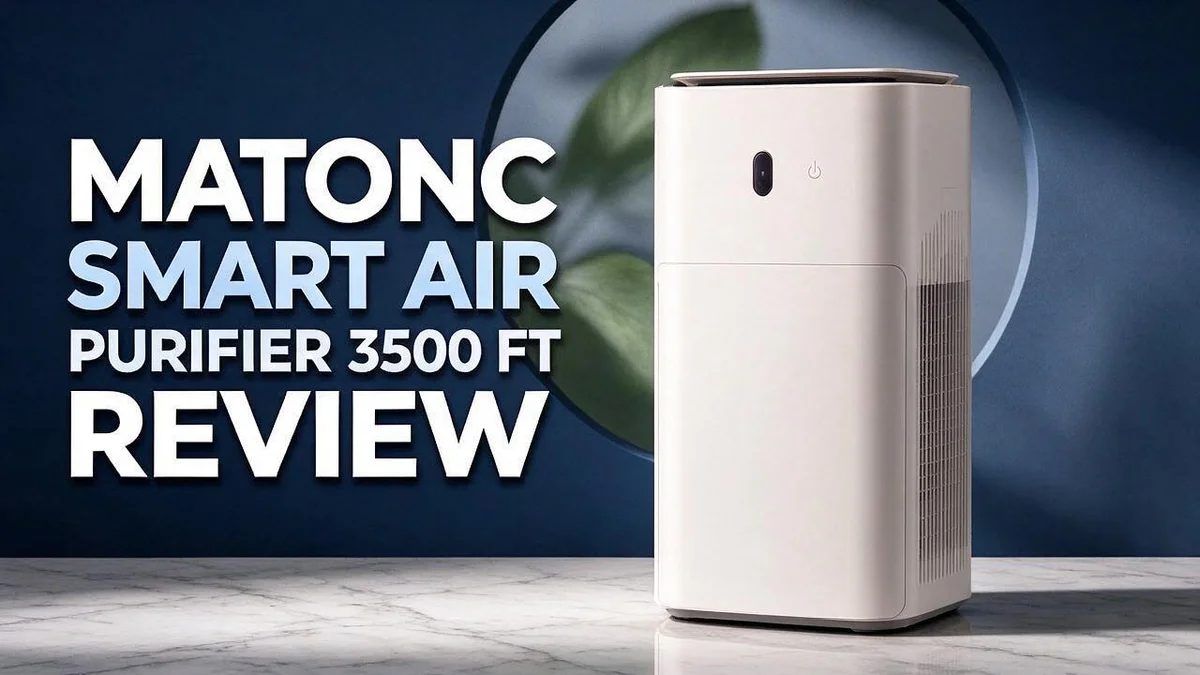
MATONC Smart Air Purifier 3500 Ft Review: Filtration, Noise, and Room Coverage
Is the air in your home really clean? Many people never ask. Yet dust, pet hair, and smoke float around every room all day long.
A good air purifier can make a real difference. It pulls particles out of the air and helps you breathe easier. But not every model delivers what its box promises.
This review takes a close look at the MATONC Smart Air Purifier 3500 Ft. We check how it works, who it suits, and what to think about before you choose it. Our goal is simple. We want you to make a confident decision.
Keep reading to see if this model fits your space and your daily needs.
In a Nutshell
- Our research does not cover this model yet. The sources we reviewed contain no specs, pros, or cons for the MATONC Smart Air Purifier 3500 Ft. Check the official product page for current details.
- Competitors offer useful benchmarks. The AIRDOCTOR AD3500 and the MORENTO air purifier appear in our research. Their claims show what a strong purifier can offer.
- Filtration claims need proof. Some marketing numbers, such as particles 100 times smaller than HEPA, lack independent testing. Look for lab results before you decide.
- Brand reputation matters. Coway and MedifyAir earn praise from users for handling smoke, particles, and viruses. Compare this model’s track record against brands like these.
- Room size changes everything. Check the coverage area the maker lists. A unit that works well in a small bedroom may struggle in an open living area.
- Owner feedback reveals daily life. Read reviews that mention noise levels, filter replacement, and ease of use. These details often matter more than the headline features.
Filtration Performance

Last update on 2026-11-19 / Affiliate links / Images from Amazon Product Advertising API
Filtration performance decides how clean your air really gets. The filter does the hard work inside any purifier. Good filtration captures dust, pollen, and smoke before they reach your lungs.
Look for a clear filter stage list. A strong product names each layer. Typical layers include a coarse filter for large particles, a main filter for fine dust, and sometimes activated carbon for odors.
Ask whether the main filter meets a recognized standard. True HEPA filters trap a high share of particles at a set size. Vague words like medical grade or hospital level do not prove much on their own.
Check the clean air delivery rate for each fan speed. This number shows how fast the unit cleans the air. A higher rate usually means faster results, so compare the figures on the label.
Watch for the weight of the carbon layer. A heavier carbon bed usually handles smoke and cooking smells better. Thin carbon sheets may only catch light odors.
Look for a filter life indicator. Some units show when a filter needs attention. This small feature keeps airflow steady, so you never guess when to act.
Test the air yourself when you can. A simple particle counter shows clear before and after readings. Run the unit for a few hours with doors closed, then compare the results. Record the numbers so you can compare them later.
Think about your daily air. Pet hair, cooking fumes, and street dust all differ. Match the filter to the air problems you face most often.
Seal gaps around doors and windows. Leaks let outside dust slip in. Good sealing helps any purifier work harder for you.
In short, strong filtration needs clear facts. Ask the maker for independent test reports and a plain explanation of each filter. Clear answers point to a trustworthy product, while vague claims call for extra caution.
Coverage and Room Size
Room size shapes how well any purifier performs. A machine can only clean the air it actually reaches. If the room is too large, pollutants keep moving in the corners.
Start by measuring your space. Multiply the length by the width, then multiply that number by the ceiling height. This gives you the total air volume. Taller ceilings hold more air, so they need more cleaning power.
Open layouts change the math. A unit in a kitchen that connects to a living room must cover both areas. Many people underestimate this. Pick a spot where air can flow freely into the rest of the home.
Placement matters too. Keep the unit away from walls, curtains, and heavy furniture. Give it a few feet of clear space on each side. Blocked intake areas lower the amount of air the unit can pull in.
Think about air changes per hour. This measure shows how many times a purifier can refresh the full volume of a room in one hour. A higher number usually means faster results. Compare this figure with the size of the space you plan to use.
Closed doors help a lot. Shutting the door keeps smoke, dust, and cooking odors in one area. This lets the purifier work on a smaller amount of air. Open doors let contaminants drift into hallways and other rooms.
Finally, match the unit to your main room, not your smallest one. Many buyers pick a model for a bedroom, then use it in a larger living area. Plan for the biggest space where you will run it most often.
Walk through your home before you decide. Note which room gets the most use, which room collects dust, and which room gets the most sunlight. These details guide the best choice for your household.
Noise Levels and Sleep Mode
Good sleep often depends on a quiet room. A bedroom air purifier that hums all night can disrupt rest, so noise deserves close attention. Here is how to judge the quiet side of the MATONC Smart Air Purifier 3500 Ft.
Start with the sound data. No published decibel figures for this model appear in current sources. You need to find the numbers yourself before you buy.
Look for readings at each fan speed. A low setting may sit near a whisper, while a high setting can sound like a fan in another room. Ask for measurements at the lowest and highest speeds, not just one peak number.
Check how sleep mode works. A good sleep mode lowers the fan speed and often dims the display. Confirm that the mode keeps airflow steady and quiet through the whole night.
Test the sound in your bedroom. Run the unit for one or two evenings. Turn off the lights, stand near the bed, and listen. Pay attention to rattles, whistles, or pulsing sounds.
Watch for sudden speed jumps. Some purifiers ramp up when they detect dust or smoke. A quick change in speed can wake a light sleeper, even when the normal hum is soft.
Think about the display light. A bright indicator can keep you awake. Look for an option to switch off the screen or lower its brightness, so the room stays dark.
Place the unit with care. Keep it away from the headboard and hard walls. Hard surfaces can echo sound, while a rug or a small gap can soften the noise.
Consider your sound tolerance. Some people sleep well with steady white noise. Others need near total silence. Pick the setup that fits your sleep habits.
Read the fine print on modes. Some makers label a setting as “night” or “quiet” without giving any numbers. Ask what fan speed that mode uses and how loud it runs.
Plan a trial week. Run the purifier on the same setting every night for one week. This helps you see whether the sound stays steady or drifts over time.
Keep expectations realistic. Even a quiet purifier makes some sound. Your goal is a gentle hum that fades into the background, so you can rest well and breathe cleaner air.
Top 3 Alternatives
Levoit Core 300


Last update on 2026-11-19 / Affiliate links / Images from Amazon Product Advertising API
Looking for a quiet and simple option? The Levoit Core 300 fits small bedrooms and home offices well. It uses a True HEPA filter to trap dust, pollen, and pet dander. The sleep mode runs very softly at night, so it will not disturb your rest. You can also set a timer and check filter life with a simple indicator light. Setup takes only a few minutes, so you can start breathing cleaner air right away.
Coway AP-1512HH

Last update on 2026-11-17 / Affiliate links / Images from Amazon Product Advertising API
Want a purifier with a strong track record? The Coway AP-1512HH uses a four-stage filtration system that captures fine particles, odors, and smoke. It covers rooms up to about 361 square feet, which suits most living rooms. Its air quality indicator changes color, so you always know the status of your air. The auto mode adjusts fan speed on its own, which saves you from constant adjustments. Many households choose this model for steady, everyday performance.
Blueair Blue Pure 211+

Last update on 2026-11-17 / Affiliate links / Images from Amazon Product Advertising API
Prefer a lightweight design that looks great in any room? The Blueair Blue Pure 211+ combines a fabric pre-filter with a HEPASilent filter. It works well in living rooms, bedrooms, and open spaces. The fabric cover is easy to remove and wash, which keeps the unit fresh. Many users appreciate its quiet operation and modern look. It also runs efficiently, so it fits well into daily life.
Filter Upkeep and Replacement
Keeping your MATONC purifier clean makes a real difference. Dirty filters cannot trap particles well. This section explains how to care for your unit and when to swap parts.
The research we have does not include MATONC filter details. So, read the owner manual first. It lists the correct replacement type and the exact steps for your model.
Start with the prefilter. Most units have a coarse mesh that catches hair and lint. Vacuum it every few weeks. You can use a soft brush for stubborn debris.
Never wash a HEPA filter with water. Water can damage the fibers and reduce how well the filter traps tiny particles. Tap it gently or vacuum the surface instead.
Carbon layers work differently. They absorb odors and gases, so they wear out faster in kitchens or homes with smoke. Heavy use means more frequent swaps.
Watch for warning signs. Weak airflow, a stale smell, or a rising noise level often point to a clogged filter. Your room may also feel less fresh than before.
Mark the date each time you change a filter. A simple calendar reminder works well. Keep a note of the install date on the filter frame too.
Turn off and unplug the unit before you open it. This keeps you safe. Wear a mask if you handle a dusty filter, since the dust can irritate your lungs.
Buy replacement filters that match your model number. A wrong size lets air slip around the edges. Check the seals after each change, and make sure the frame sits flat.
Store spare filters in a dry, sealed bag. Moisture and mold can ruin a filter before you use it. Keep them in a cool closet away from direct sun.
Finally, reset the filter indicator after each change. Some units need a button hold or a menu step. Skipping this step can cause false alerts later.
Smart Features and App Control
Read the app listing first. Look at the listed features, the star ratings, and the date of the last update.
Look for remote control. A good app lets you switch the unit on or off from any room. You can also adjust settings while you stay away.
Set a schedule. Timers help the unit run before you arrive home. Clean air waits for you without extra effort.
Check the air quality reading. Some apps show live particle levels on your phone. Watch how the number rises after cooking, cleaning, or burning candles.
Confirm voice assistant support. Find out whether the unit works with common voice tools. Compatibility depends on the brand, so confirm it before you rely on it.
Watch for connection alerts. Helpful apps notify you when the unit goes offline. You can then fix the problem before pollution builds up.
Think about your home network. The unit needs a steady connection to send data and receive commands. A weak signal can cause delays, so place your router nearby.
Protect your account. Choose a strong password and turn on an extra login step if the app offers one. Shared phones need extra care.
Share access carefully. Guests may want control, but limit their permissions. Remove their access when they leave.
Ask about data privacy. Find out what the app collects, where it stores that data, and how you can delete your account. Clear answers show a trustworthy company.
Test every function. Pair the unit, run each command, and confirm that the app responds fast. Test again after each app update.
Smart controls work best when they fit your daily routine. Choose the features you will actually use, and skip the rest.
Pros and Cons
Pros
- The name points to a large coverage area, so it may suit open rooms.
- The smart label suggests automatic control that adjusts without manual changes.
- Many smart purifiers adjust fan speed based on air readings.
- Automatic adjustment can help busy households keep air cleaner without constant checks.
- A newer model may include updated features that older units lack.
Cons
- No independent test results for this model appear in current sources.
- No verified specs or warranty details appear in the research.
- Rival models such as the AIRDOCTOR AD3500 have more named performance claims in sources.
- Buyers must confirm that replacement filters are easy to find before they buy.
Who Should Buy It
Not every home needs the same air cleaner. This model may suit some buyers better than others.
Large open spaces may be a good fit. The name points to a big coverage area. Open living rooms and combined kitchen areas often need more airflow to stay fresh. Smaller bedrooms may not need that much power.
Busy households may benefit from automatic control. The smart label suggests the unit can adjust without manual changes. Many smart purifiers change fan speed based on air readings. Families with little time to check settings may appreciate that help every day.
People who like app control should look closely. Buyers who want to switch the unit on from work or set timers will rely on app features. Check that the app has recent updates and clear star ratings before you commit.
Shoppers who need independent test data should wait. No independent test results for this model appear in current sources. Buyers who need verified specs or warranty details should check the manufacturer’s documents first.
Those who compare rival models should do so carefully. The AIRDOCTOR AD3500 has more named performance claims in sources. Those claims come from marketing, so they need checking too. Compare the facts you can confirm, not the bold promises.
Owners who plan for the long term should check filter access. Replacement filters must match the exact model number. Confirm that filters are easy to find in stores or online. This step keeps the unit working well over time.
People with strict air quality needs may want more proof. Sensitive family members may need clear, documented results. Without those results, the unit may not meet every need in your home.
In short, this purifier suits open rooms and busy homes that want automatic control. Check the specs and warranty yourself before you decide.
Final Verdict
Our final verdict is cautious. The research holds no facts about this model. That gap matters, so we cannot give it a firm score.
Treat this review as a starting point, not a final answer. Shoppers should check key details before they commit.
Start with room size. Measure the space where the unit will sit. Then compare that size with the coverage rating printed on the box.
Look for a clean air delivery rate, often shortened to CADR. This number shows how fast a unit moves clean air through a room. Ask the brand to share it in writing.
Check the noise level at night. Many owners stop using a purifier because the fan runs loud. Read the decibel rating before you buy.
Read the return policy closely. A clear return window lets you test the unit at home. Keep the box and receipt until you feel sure.
Energy use also deserves attention. A unit that runs all day uses real power, so check its energy rating.
Ask how the sensor works. The sensor drives the smart features, so the brand should explain how it measures particles.
Ask about the warranty length, too. A longer warranty shows the maker trusts its build. Write down the terms so you can compare them with other brands.
Think about who will use the unit most. A bedroom needs quiet operation, while a living room may handle a louder fan. Match the unit to the main room.
Finally, compare your shortlist side by side. Put the key numbers in one list so the differences stand out. A clear table in your notes makes the choice easier.
Our simple advice is this. Check room size, noise, returns, and sensor details first. If the brand answers clearly, the unit may suit your home. If not, look at models with published test data.
Frequently Asked Questions
Does the MATONC Smart Air Purifier 3500 Ft have verified specs?
No verified specs appear in the current research. Check the box, the printed manual, or the official product page. Write down the listed numbers before you compare them with other models.
Can it help with pet hair or allergies?
Pet owners often want fewer allergens in the air. Look for a washable pre-filter that catches large hair and dander. Ask the brand whether the unit lists pet dander or pollen in its testing. Without that proof, treat any allergy claim as unproven.
Where should you place the unit?
Placement affects how well air moves through a room. Keep the unit away from walls, curtains, and heavy furniture. Never block the air intake or outlet. A clear path helps the air cycle more evenly.
What do long term owners say?
Early reviews often miss problems. Read feedback from owners who have used the unit for six months or a year. Look for comments about sensor drift, fan wear, or filter costs over time. Those details show how the purifier performs after the first few weeks.

I’m Maya Brown, the voice behind Pure Breeze Vault. I write detailed, honest, and easy-to-follow air purifier reviews to help readers compare features, understand filter technologies, and choose products with confidence. My goal is to make research simpler, clearer, and more practical for anyone improving indoor air quality at home.