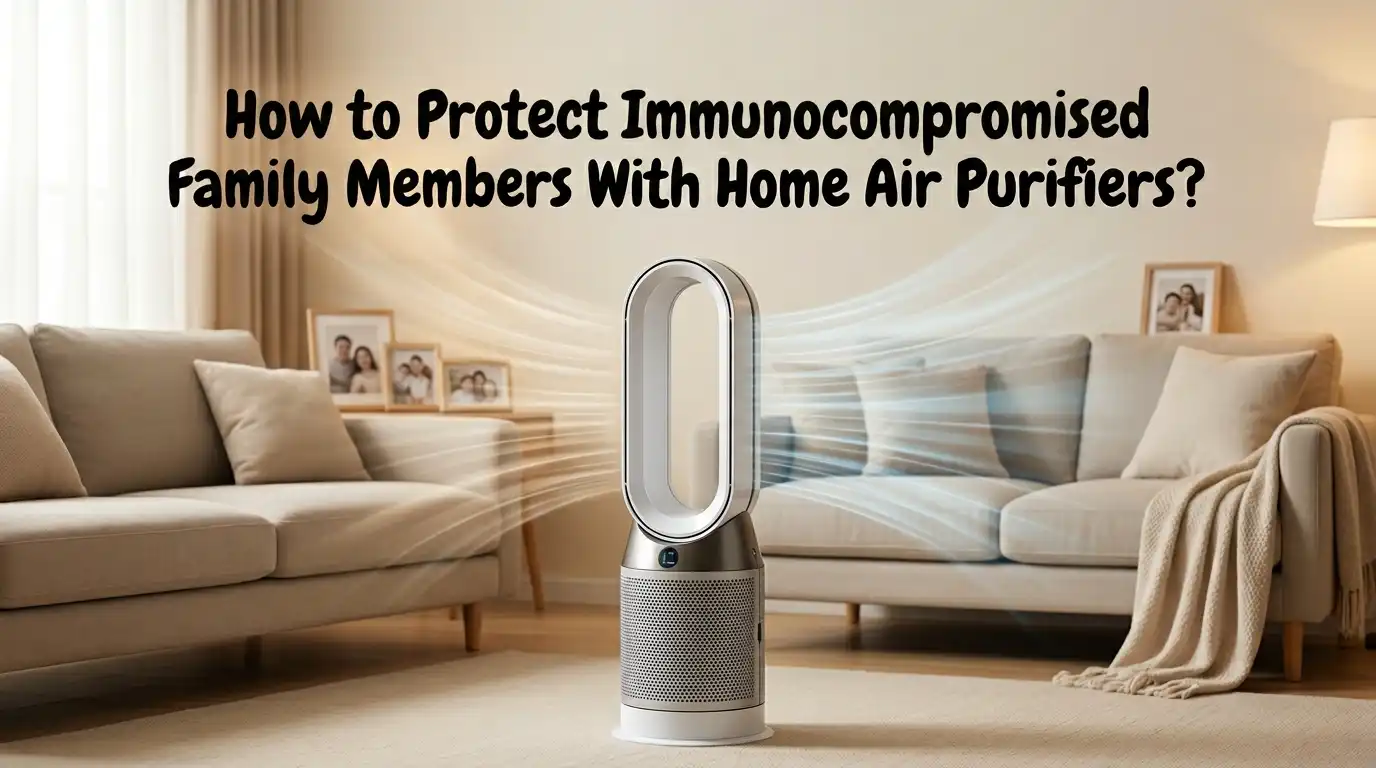
How to Protect Immunocompromised Family Members With Home Air Purifiers?
An immunocompromised person has less protection against germs and irritants. That does not mean every particle in the home is dangerous. It does mean the margin for safety is smaller. Cleaner air can lower the amount of airborne material a person breathes in all day.
The good news is that you do not need a perfect house to make the air safer. You need a smart plan. A home air purifier can help a lot, but it works best as one part of a simple system.
Clean air starts with fewer pollutants, better airflow, the right filter, and steady daily habits. This guide shows you exactly how to build that system step by step, so your home feels calmer, safer, and easier to manage.
Key Takeaways
- Start with the biggest truth first. An air purifier helps, but it does not solve every air problem by itself. The best first step is source control. That means reducing smoke, strong cleaning sprays, moisture, mold, and dust before they spread through the home.
- Choose a purifier that fits the room. A small unit in a large room will disappoint you. Look for a true HEPA filter and enough cleaning power for the full room size. If your ceiling is high or the space is open, size up instead of buying the smallest option.
- Put the purifier where the higher risk person spends the most time. For many families, that means the bedroom first. If a family member is resting, recovering, or isolating, that room should get the strongest air cleaning support.
- Use layers, not a single fix. The safest plan combines a purifier, a good HVAC filter, open windows when outdoor air is safe, bathroom and kitchen exhaust fans, and masks during higher risk visits. Layered protection is stronger protection.
- Avoid machines that create ozone. Some devices use ionizing or ozone producing methods. These can irritate the lungs. For an immunocompromised family member, simple filtration is the safer path unless a clinician gives other advice.
- Keep the system running and maintained. A purifier only works well if you use it daily, keep doors and airflow in mind, and change filters on time. A good setup is less about one purchase and more about steady habits.
Why Clean Indoor Air Matters More for Immunocompromised Family Members
If someone you love has a weak immune system, the air inside your home matters more than most people realize. Tiny particles can stay in the air for hours. Dust, smoke, mold bits, pet dander, and virus carrying aerosols can all add stress to a body that already has less room for error.
Air purifiers matter here because many harmful particles are invisible. Viruses, smoke particles, mold fragments, and fine dust can float in the air even when the room looks clean. HEPA filtration is useful because it targets tiny particles that ordinary dusting does not catch.
There is also a comfort benefit. Cleaner air can support better sleep, easier breathing, and less stress for the whole family. That matters during treatment, recovery, or long periods at home. The goal is not fear. The goal is fewer avoidable exposures, one room and one habit at a time.
Start With Source Control Before You Rely on a Purifier
A purifier works best after you cut down the pollutants it has to fight. This is the most practical first move. If you keep adding smoke, fumes, moisture, or dust, even a strong purifier will be doing catch up work all day.
Start by making the home a low pollution zone. Avoid indoor smoking. Limit candles and incense. Use unscented or mild cleaning products. Run the kitchen fan when cooking. Fix leaks fast. Vacuum with a sealed system if possible. Wash bedding often. Keep shoes by the door. Small actions lower the pollution load before it spreads.
Pros: Low cost, fast results, less strain on filters, better air in every room.
Cons: Takes family cooperation, needs regular effort, does not remove particles already floating in the air.
If your budget is tight, source control gives you the biggest return before you buy more equipment.
Choose the Right Air Purifier for the Room Size
Many families buy the wrong purifier because they focus on looks or noise and ignore cleaning power. Start with three basics. Look for a true HEPA filter, the right room coverage, and a strong smoke CADR if that detail is listed.
A HEPA filter is important because it is built to capture at least 99.97 percent of particles at 0.3 microns. That is one reason health agencies keep pointing people back to HEPA units. Bigger CADR means faster cleaning. If the room is 200 square feet, do not buy a unit meant for 100.
Measure the room by length times width. If the ceiling is higher than 8 feet, size up. If the room opens into a hallway or another space, count the larger area.
Pros: Better particle removal, faster clean air, easier to trust.
Cons: Larger units cost more, take more floor space, and may be louder on high speed.
Put the Purifier in the Best Room and the Best Spot
Placement changes results more than many people expect. If you put a good purifier in the wrong room, the higher risk family member gets less benefit. Start with the bedroom if that person spends many hours there. Next, focus on the main living area.
Place the purifier where air can move freely around it. Keep it away from thick curtains, behind furniture, or tight corners. Leave some open space around the intake and outlet. Do not hide it to make the room look neater. Hidden machines clean less air.
If a family member is sick or a visitor may be contagious, place a purifier close to the person at higher risk or near the source area if that can be done safely. A CDC study found that portable HEPA cleaners reduced aerosol exposure more when placed closer to the source.
Pros: Better real world performance without extra cost.
Cons: The best spot may be less attractive or less convenient.
Run the Purifier the Right Way Every Day
A purifier should not be treated like a quick fix you turn on only when someone coughs. Consistency matters more than short bursts. For an immunocompromised home, the cleaner should run daily in the key room, and often for long hours.
Use a higher speed when the room is occupied, after visitors leave, during cleaning, or when outdoor smoke is present. Use a lower quiet setting for sleep if needed, but do not switch the unit off all night if the bedroom is the priority room. Steady airflow keeps particle levels lower over time.
Keep doors in mind. A purifier cleans the room it is in, not the whole house unless the space is very small. If the bedroom door stays shut, that can help the unit clean that room more effectively.
Pros: Stronger protection, better overnight air, easier daily routine.
Cons: More noise on high settings, more energy use, faster filter wear.
Use Your HVAC Filter as a Second Layer of Protection
A portable purifier helps one room at a time. Your HVAC system can help the whole house if it is set up well. A better furnace or HVAC filter adds another useful layer. Many experts point families to MERV 13 if the system can handle it.
MERV 13 filters can capture a meaningful share of fine particles, including many in the size range tied to respiratory aerosols. That does not make them equal to HEPA, but they can improve whole home air cleaning. The key phrase is if the system can handle it. A filter that is too restrictive can reduce airflow.
Ask an HVAC professional if you are unsure. Also check that the filter fits tightly. Air that slips around the filter is air that does not get cleaned.
Pros: Helps the whole house, works with existing airflow, useful for shared spaces.
Cons: Not every system can use stronger filters, wrong fit reduces benefit, still not as strong as HEPA in one room.
Add Fresh Air Safely With Windows and Exhaust Fans
Ventilation lowers the buildup of indoor particles by bringing in outdoor air or moving indoor air out. This is powerful when outdoor air is clean. Open more than one window if weather and safety allow. Cross ventilation moves air faster than a single cracked window.
Use the bathroom fan and kitchen exhaust fan, especially during showers and cooking. If you use a fan near a window, point it so it pushes indoor air out. Do not point a fan directly at people during a higher risk visit, because that can move particles across the room.
There is one catch. If outdoor air is smoky, dusty, or full of pollen, opening windows may make things worse. On those days, close windows and lean more on filtration.
Pros: Low cost, strong dilution effect, helpful during visits.
Cons: Depends on weather and outdoor air quality, may increase pollen or smoke, can affect heating and cooling comfort.
Control Humidity and Moisture to Stop Mold Problems
A purifier can capture some airborne mold material, but it does not solve a moisture problem. Mold grows where water stays. That is why humidity control matters so much in homes with an immunocompromised family member.
A smart target is indoor humidity around 30 to 50 percent, and below 60 percent. Use a simple humidity meter to check key rooms. Run the bathroom fan after showers. Use the kitchen fan while cooking. Dry wet areas quickly. Repair leaks fast. Clean up water damage before it turns into a bigger issue. If a room smells musty, treat that as a warning sign, not a minor detail.
Pros: Reduces mold risk, supports better comfort, protects walls and furniture too.
Cons: May require a dehumidifier or repairs, can take time to find hidden moisture, some problems need a professional.
Moisture control is one of the best problem solving steps because it removes the cause, not just the symptom.
Deal With Smoke, Odors, and Gases the Right Way
Many people expect one purifier to handle every air problem. That is not how it works. HEPA filters are great for particles, but they are weak on gases and odors. If your concern includes cooking smells, wildfire smoke odor, or chemical fumes, you need source control first and sometimes an activated carbon stage.
For cooking fumes, use the stove exhaust fan every time. For smoke from outside, close windows, seal obvious leaks, and run filtration continuously. For paint or strong cleaners, reduce use, ventilate well, and keep the immunocompromised person away until the air clears. Do not assume a purifier makes harsh fumes safe.
Pros of adding carbon support: Better odor control, helpful for some gases, improves comfort.
Cons: Carbon saturates, results vary, does not replace ventilation or safer products.
Think of HEPA for particles and carbon as a support tool, not a full answer.
Avoid Ozone and Other Risky Air Cleaning Claims
This step is simple but very important. Do not buy an air cleaner that intentionally produces ozone. Ozone can irritate the lungs. That is the opposite of what you want in a home protecting someone with a weak immune system.
Be careful with vague terms such as ionizing, plasma, active oxygen, or purifier technology with no clear filter details. Some devices may sound advanced but give less real protection than plain filtration. A quiet HEPA unit with clear specs is often the safer choice than a flashy device with bold claims.
Pros of simple HEPA based filtration: Clear performance standard, strong particle removal, fewer lung irritation concerns.
Cons: May not address gases well, replacement filters can cost more over time.
If the label focuses on clean air delivery, HEPA, room size, and filter replacement, that is a better sign than dramatic marketing language.
Use Extra Protection During Sick Days and House Visits
Air purifiers help most when the risk is highest. That includes cold and flu season, shared meals, overnight guests, school exposure, and any time someone in the home feels sick. This is when layered protection matters most.
Run the purifier on high in the bedroom and main living area before visitors arrive. Open windows if outdoor air is safe. Keep visits shorter. Use the largest room available. If someone has symptoms, have them stay in one room if possible. Masks add real value here. A CDC study found that HEPA cleaners reduced aerosol exposure, and the combination of air cleaning plus masking reduced it even more. The layers work together.
Pros: Stronger short term risk reduction, useful during exposure spikes, gives families a clear plan.
Cons: Requires planning, may feel tiring, visitors may resist masks or room changes.
Keep Filters Clean and Build a Simple Air Safety Routine
A great purifier becomes a weak purifier if the filter is overdue or the intake is blocked with dust. Maintenance is part of protection. Check the filter schedule from the maker, but also pay attention to your real conditions. Homes with pets, smoke, or heavy dust may need faster changes.
Wipe the outside grill gently. Vacuum prefilters if the unit allows it. Wash hands after handling dirty filters. If someone in the home is very high risk, have another family member do the filter change. Do not shake dirty filters indoors. That can send captured particles back into the air.
A useful routine is simple. Check humidity once a week. Replace HVAC filters on schedule. Run the kitchen fan when cooking. Run bedroom purification daily. Review the plan before guests visit.
Pros: Keeps performance stable, prevents guesswork, extends machine life.
Cons: Ongoing cost, easy to forget without reminders, some units are harder to open than others.
Create a Calm Room for the Highest Risk Person
If you can only do one focused project, create one cleaner room. This is often the best move for families on a budget. Choose the bedroom or recovery room of the immunocompromised family member and make it your priority air zone.
Use a HEPA purifier sized above the room minimum. Keep the room less cluttered so dust does not build up. Wash bedding often. Keep windows closed during smoke or high pollen days. Use a door sweep or simple sealing fixes if air from dirtier parts of the house drifts in often. Ask visitors to avoid entering if they feel unwell. A calm room gives the body a break from constant exposure.
Pros: Strong benefit in one space, easier to maintain, lower cost than treating the whole house at once.
Cons: Protection is strongest in that room only, family routines may need to shift, shared homes are harder to control.
FAQs
Can one air purifier protect an entire home?
Usually no. A portable purifier is best at cleaning the room it sits in. In a small apartment, one strong unit may help a large area, but most homes need a room by room plan. Start with the bedroom of the immunocompromised person.
Is a HEPA purifier enough if someone in the house gets sick?
A HEPA purifier helps, but it should be part of a layered plan. Add masks, shorter contact time, open windows if outdoor air is safe, and use one room for the sick person if possible. Layers reduce risk better than any one step alone.
Should I open windows every day?
Open windows when outdoor air is clean and safe. Keep them closed during wildfire smoke, heavy pollen bursts, or poor outdoor air alerts. On bad air days, rely more on filtration and exhaust fans.
Are DIY box fan filters a good idea?
They can help in some situations, especially when a commercial unit is not available. Still, they are usually a backup option, not the first choice for long term use. If one is used, safety matters a lot.
What is the biggest mistake families make?
The biggest mistake is buying a purifier that is too small for the room and then running it only once in a while. Correct size and daily use are what make the biggest difference.

I’m Maya Brown, the voice behind Pure Breeze Vault. I write detailed, honest, and easy-to-follow air purifier reviews to help readers compare features, understand filter technologies, and choose products with confidence. My goal is to make research simpler, clearer, and more practical for anyone improving indoor air quality at home.