Why Is My Air Purifier Leaving White Residue On Nearby Furniture?
Have you noticed a strange white powder on your furniture lately? You clean it off, but it comes back in just a few days. This mystery can feel frustrating, especially if you just cleaned your whole house.
The truth is, your air purifier might be the culprit. But don’t worry, this does not mean your machine is broken. In most cases, this white dust is simply mineral residue from water.
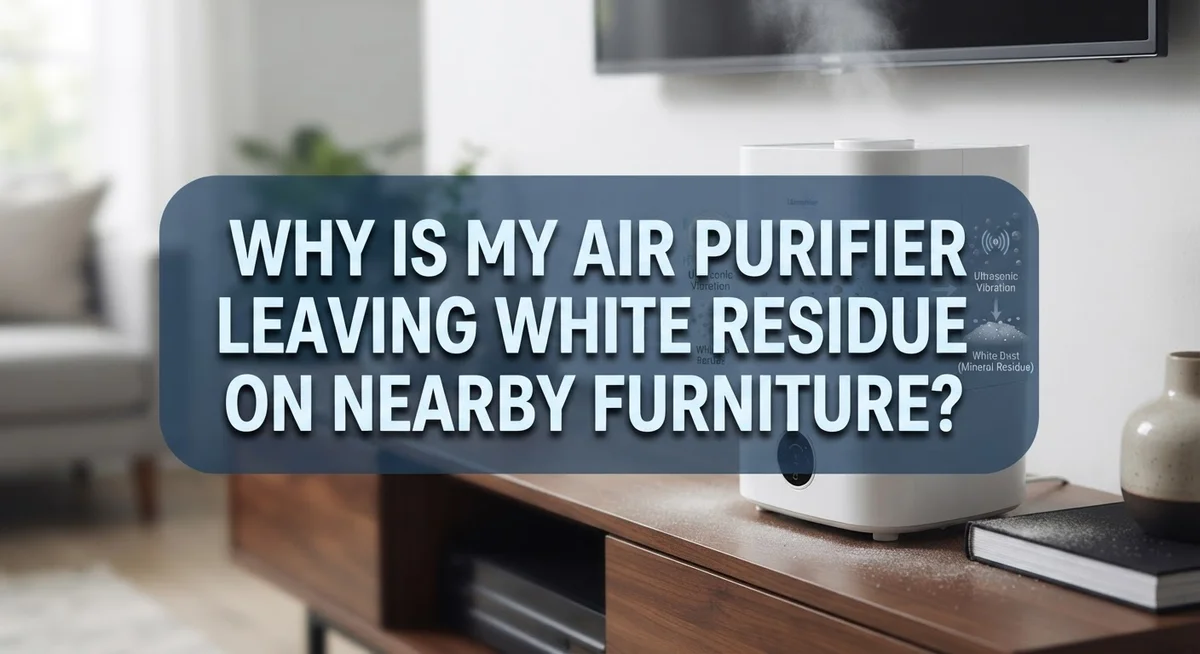
This often happens when a purifier has a humidifying function or sits near a mist humidifier. As the water evaporates, it releases tiny mineral particles into the air. These particles then settle on nearby surfaces.
In a Nutshell
- White dust is mineral residue, not a sign your purifier is broken. It comes from calcium and other minerals in water.
- The real source is usually a humidifier or mist function, not the HEPA filter itself. Traditional filters do not create this dust.
- Tap water is often the cause. It contains minerals that turn into fine powder once the water evaporates into the air.
- Blocked vents can also play a role. Dust buildup may trigger a high limit lockout, which affects how your unit performs.
- The residue will keep coming back if you do not fix the water source. Wiping it away is only a short term fix.
- Good news: this issue is not dangerous to your health. It simply means minerals are spreading into your room.
- Simple habits like using distilled water and cleaning your unit regularly can stop the problem for good.
What Exactly Is This White Residue?
The white residue you see is mineral dust, primarily calcium deposits. This powder comes from water, not from your air purifier breaking down. Understanding what it actually is helps you tackle the problem correctly.
When water evaporates from a humidifier or mist function, it leaves behind solid minerals. Tap water contains dissolved minerals like calcium and magnesium. These minerals do not evaporate with the water. Instead, they stay behind as fine particles that float through your air and settle on nearby surfaces.
This residue is not harmful to you or your furniture. It simply looks unsightly and keeps reappearing. The powder is completely different from equipment failure or filter breakdown. Your purifier is working as designed, but the water source is the real issue.
The residue accumulates fastest on furniture closest to your unit. Horizontal surfaces like tables and shelves catch more particles than vertical ones. You might also notice it on windowsills, picture frames, and electronics near the purifier.
One key sign that minerals are the culprit is how quickly the residue returns. If you wipe surfaces today and see white dust again within days, you have a mineral problem. This pattern tells you the purifier is continuously dispersing mineral particles into your room.
The amount of residue depends on your water hardness. Homes with hard water (high mineral content) see more buildup. Homes with soft water experience less of this issue. Regardless of your water type, the solution remains the same: address the water source feeding your humidifier or mist function.
Why Air Purifiers and Humidifiers Produce Mineral Dust
When you use a humidifier or mist based air purifier, you introduce water vapor into your room. This water carries dissolved minerals from your tap water. As the water evaporates, those minerals do not disappear. Instead, they settle on your furniture, floors, and other surfaces as white dust.
The main culprit is calcium and magnesium ions found in tap water. These minerals are invisible when dissolved in water. Once the liquid evaporates, they become visible white particles. This process happens continuously as long as your humidifier or mist function runs.
Your traditional HEPA filter does not cause this problem. HEPA filters trap particles from the air you breathe. They do not release minerals. The issue comes specifically from mist based systems that spray water into your room.
Hard water makes this problem worse. If your tap water has high mineral content, you will see more residue faster. Soft water produces less visible buildup, but some minerals still remain.
Another factor is blocked airflow in your purifier. When dust accumulates on filters and vents, the unit works harder. This can trigger a “high limit” safety switch that shuts down the system. A clogged unit cannot filter effectively, and minerals spread more easily around your room.
The residue keeps reappearing because your humidifier continues releasing minerals daily. Cleaning the furniture removes the dust temporarily, but new particles form as soon as your unit runs again.
Understanding this source helps you tackle the real problem. It is not equipment failure. It is simply how water and minerals interact in your home environment.
How to Identify the Source: Purifier, Humidifier, or Something Else
The white residue on your furniture likely comes from one of three sources: your air purifier’s humidifying function, a separate mist humidifier in the room, or something else entirely.
Start by checking your air purifier’s features. Many modern purifiers include a humidifier or mist function built in. If your unit has this feature, it is probably the culprit. Look at your device manual or the control panel to see if you have activated any moisture or mist settings.
Next, scan your room for other moisture sources. Do you have a portable mist humidifier running nearby? Even if it sits across the room, mist travels easily through air. Mist humidifiers are the most common cause of white mineral dust because they spray water particles directly into your air.
Look for other possibilities too. Drywall dust from construction, cleaning product residue, or salt from air purifiers that use ionization can also leave white buildup. Check if the residue appears only near your purifier or spreads throughout the room.
Perform a simple test to narrow it down. Turn off your purifier and humidifier for three days. If no new residue appears, one of these devices is responsible. If white dust still forms, another source is at work.
Pay attention to where the residue concentrates most heavily. Furniture directly in front of your unit typically shows heavier buildup than distant surfaces. This pattern helps confirm whether your purifier or another item is the source.
Once you identify the source, you can take targeted steps to stop the mineral dust from returning to your home.
Step-by-Step: Cleaning Residue Off Furniture and Surfaces
Start by identifying what surface you’re cleaning. Dust cloths work best on wood furniture, while glass and plastic need different approaches. Check the manufacturer’s care instructions for your specific items before applying any liquid.
For wood surfaces, use a soft, dry microfiber cloth first. Gently wipe the residue away without pressing hard. If dry wiping doesn’t remove everything, slightly dampen the cloth with distilled water. Distilled water prevents new mineral deposits from forming. Wipe in the direction of the wood grain to avoid scratching.
On glass and mirrors, spray a small amount of white vinegar onto a cloth. The acidity in vinegar dissolves mineral deposits effectively. Wipe the surface clean and dry it immediately with a lint free cloth. This prevents streaking and water spots.
For plastic surfaces, use only a damp cloth with distilled water. Avoid vinegar or harsh cleaners, as they can damage plastic finishes. Wipe gently and dry right away.
Clean affected areas every few days while your purifier runs. The residue returns quickly, so frequent cleaning prevents heavy buildup. This routine maintenance keeps your furniture looking fresh.
Pay special attention to surfaces closest to your unit. These areas collect residue fastest. Wipe tabletops, shelves, and lamp bases near your purifier more often than distant furniture.
For stubborn buildup, let a damp cloth sit on the spot for two minutes. The moisture softens mineral deposits, making them easier to wipe away. Never scrub aggressively, as this can damage finishes.
After cleaning, ensure your cloth is completely dry before storing it. Damp cloths can develop mold and create new problems. Store cleaning supplies in a cool, dry location away from your purifier.
Maintaining Your Unit to Reduce Future Buildup
Regular maintenance stops white residue from building up around your air purifier. This simple routine keeps your unit working better and reduces dust on furniture.
Check your filters weekly. Dust buildup blocks airflow in your purifier. When airflow gets blocked, your unit works harder and spreads more mineral particles. Open your purifier and look at the filter. If it looks gray or dusty, it needs cleaning. Gently vacuum the filter or rinse it with distilled water. Let it dry completely before putting it back.
Clean the mesh and vents often. These parts trap minerals and dust. Hand wash mesh cloths every few days under running water. Use your fingers to gently rub away buildup. For vents, use a soft brush or old toothbrush to remove trapped dust. This keeps air flowing smoothly through your unit.
Replace filters on schedule. Most air purifiers need new filters every three to six months. Check your manual for the exact timeline. A clean filter prevents mineral particles from escaping into your room.
Switch to distilled water immediately. If your unit has a humidifier function, fill it with distilled or demineralized water only. Tap water contains calcium and magnesium that create white residue. Distilled water has these minerals removed already.
Wipe your purifier’s exterior. Dust settles on the outside too. Use a damp cloth to wipe the housing and air intake vents. This prevents dust from getting sucked back inside.
Keep your unit away from corners. Place it in an open area where air flows freely. Corners trap air and cause uneven mineral distribution around furniture.
These steps take just minutes each week but make a real difference in reducing future buildup.
Preventing White Residue Before It Starts
Stopping white residue before it starts is far easier than cleaning it repeatedly. The key is understanding that mineral deposits come from water, not your purifier itself.
Start with your water source. If your unit has a humidifier or mist function, this is your main culprit. Tap water contains minerals like calcium and magnesium. When water disperses into the air, these minerals stay behind on your furniture. Switch to distilled or demineralized water instead. This simple change eliminates most mineral dust problems.
Check your purifier’s placement next. Position your unit in an open area away from corners and walls. Good airflow prevents dust from settling on nearby surfaces. Keep it at least three feet from furniture and electronics. This distance gives minerals time to settle before reaching your belongings.
Maintain your filters religiously. Clogged filters force your purifier to work harder and circulate air unevenly. This scattered airflow spreads residue across a wider area. Check filters weekly for dust buildup. Replace them on schedule, usually every three to six months depending on your model.
Clean your purifier’s exterior regularly too. Dust accumulates on the outside casing and vents. When air moves through these areas, it picks up particles and spreads them around your room.
Consider your room’s humidity level. Excess moisture encourages mineral dispersal. Use a basic humidity monitor to check your indoor levels. Aim for 30 to 50 percent humidity. If your space is too dry, add moisture carefully using only distilled water in any humidifying device.
These prevention steps work together to stop white residue before it becomes a problem on your furniture and surfaces.
Common Mistakes That Make Residue Worse
Many people make simple mistakes that turn a minor white residue problem into a major one. Understanding these errors helps you stop the issue before it spreads throughout your home.
Ignoring the residue when it first appears is the biggest mistake. Many people see white dust on a nearby table and assume it will go away on its own. It won’t. This residue keeps reappearing because your purifier continues releasing minerals into the air. Each day you wait, more buildup accumulates on your furniture, walls, and floors.
Using tap water in mist based systems makes everything worse. Tap water contains calcium and other minerals that create the white dust. When you fill your humidifier or mist function with regular tap water, you’re directly feeding the problem. These minerals don’t stay inside the tank. They get dispersed into your room constantly.
Skipping filter maintenance accelerates residue buildup significantly. When filters get clogged with dust, your purifier works less efficiently. Poor airflow forces the unit to circulate air unevenly, which concentrates mineral particles in certain areas. This creates heavier white deposits on nearby surfaces.
Placing your purifier in a corner or against a wall traps minerals in one spot. Air can’t flow freely around the unit, so minerals settle densely on the closest furniture. This makes the problem look much worse than it actually is.
Cleaning only once and forgetting about it is another common error. White residue reappears quickly because your purifier keeps running. You need to wipe surfaces regularly while you address the root cause. One cleaning session won’t solve the ongoing mineral dispersal from your water source.
Troubleshooting Persistent or Recurring Residue
When white residue keeps coming back despite your cleaning efforts, you need a different approach. Recurring residue means minerals are still being released into your air. This tells you the source hasn’t been fully addressed.
Start by checking your water source first. If your purifier has a humidifier or mist function, tap water is likely the problem. Minerals in tap water vaporize and settle on nearby surfaces repeatedly. Switch to distilled or demineralized water immediately. This single change stops the cycle for many people.
Next, examine your filters closely. Clogged filters force your purifier to work harder and circulate air unevenly. This uneven airflow spreads minerals around your room instead of filtering them out. Hand wash mesh cloths and vents weekly. Replace filters on your manufacturer’s schedule, typically every three to six months.
The placement of your unit matters more than you think. A purifier tucked in a corner traps minerals in one spot, making residue worse there. Move it to an open area where air flows freely around the entire unit.
If residue keeps appearing after these steps, the problem may extend beyond your purifier. Check for other sources like drywall dust or cleaning products used nearby.
Track when the residue reappears. If it returns within days, your water source or filters need attention. If it takes weeks, your current routine is working but needs consistency. Don’t clean once and forget about it. Wipe affected surfaces weekly and maintain your unit regularly. Persistent residue requires persistent care, not occasional attention.
Final Thoughts
White residue on your furniture is not a sign of danger. It simply shows that minerals from water are spreading into the air around your unit.
Understanding this fact helps you respond calmly instead of worrying about equipment failure or health risks.
The real fix depends on consistent habits. Switch to distilled or demineralized water. Clean your filters on a regular schedule. Wipe down surfaces near your purifier often.
These small actions make a big difference over time. They stop mineral dust from building up and spreading further into your room.
Remember that prevention beats correction. Catching the problem early saves you from deep cleaning sessions later.
Your furniture and floors will thank you for it.
If residue keeps returning even after these steps, look beyond your purifier itself. Other appliances or household dust might contribute to the problem too.
Check nearby humidifiers, cleaning products, and even drywall dust in newer homes. These sources can mimic the same white film on your surfaces.
Tracking patterns helps you pinpoint the true cause faster. Note when residue appears and where it collects most.
This information guides your next steps clearly. You will know exactly what to adjust in your routine.
Air purifiers work hard to keep your space clean. A little maintenance on your end keeps them running smoothly too.
Simple changes like water type and filter care solve most residue issues quickly. You do not need complicated solutions or expensive replacements.
Stay consistent with cleaning and monitoring. Your home will stay fresh, and your furniture will stay free of that frustrating white film.
Small efforts now prevent bigger cleanup tasks later. Your purifier and your furniture both benefit from this simple attention.
Frequently Asked Questions
Is the white residue dangerous to my health?
No, white residue is not dangerous. It consists of mineral dust from water, typically calcium deposits. The residue itself poses no health risk to you or your family. However, it does signal that minerals are spreading through your air. This means your humidifier or mist purifier is dispersing particles continuously. You should still clean it regularly to keep your furniture looking nice.
Why does the white residue keep coming back?
The residue reappears because your water source contains minerals. If you use tap water in a mist based system, minerals release constantly into the air. Each time your humidifier operates, it disperses more mineral particles. Even after you wipe surfaces clean, new residue forms within days or weeks. Switching to distilled water stops this cycle from repeating.
Can sources other than my purifier cause this problem?
Yes, other sources exist. Drywall dust from newer homes creates white buildup. Cleaning products and sprays can leave similar residue. Portable humidifiers without mineral filters are major culprits. Check all devices near the affected furniture first. Look at any mist based equipment in your room. Sometimes the problem originates from something you did not expect.
How often should I clean my purifier to prevent residue?
Hand wash mesh filters and cloth components frequently, ideally weekly. Check your main filters and vents every two weeks. Wipe affected furniture surfaces as needed since residue reappears quickly. Regular maintenance stops mineral buildup before it becomes heavy. Follow your specific purifier’s manual for filter replacement schedules. Consistent cleaning habits work better than occasional deep cleaning sessions.

I’m Maya Brown, the voice behind Pure Breeze Vault. I write detailed, honest, and easy-to-follow air purifier reviews to help readers compare features, understand filter technologies, and choose products with confidence. My goal is to make research simpler, clearer, and more practical for anyone improving indoor air quality at home.