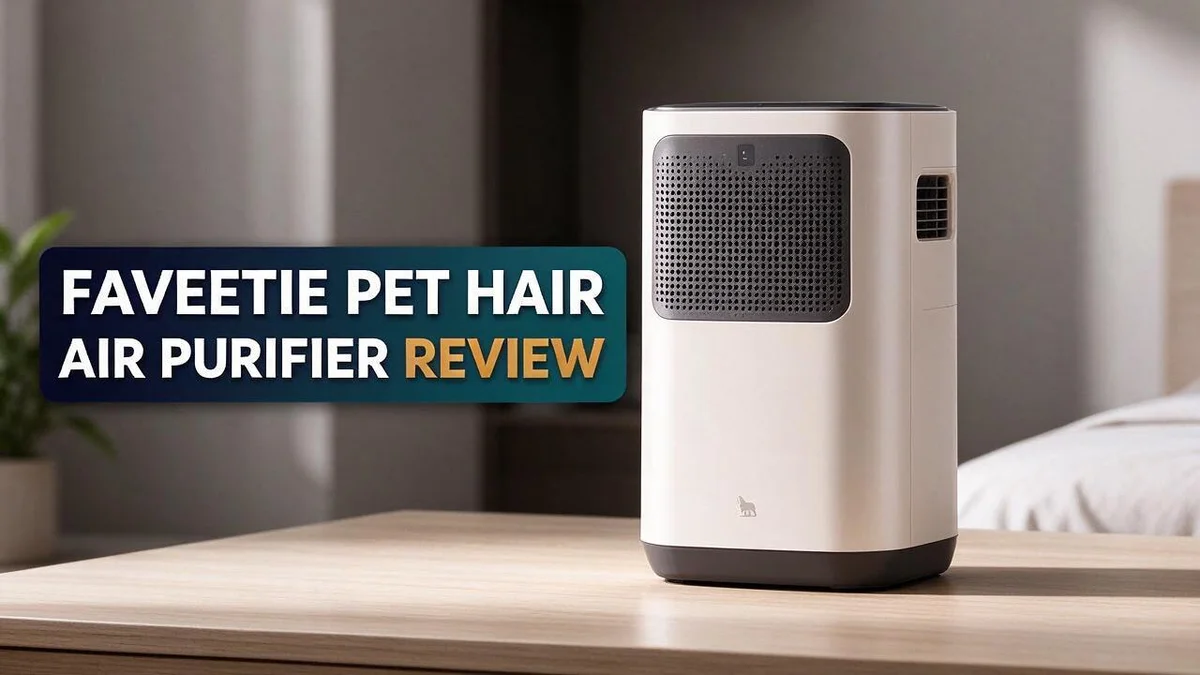
Faveetie Pet Hair Air Purifier Review: Does It Really Capture Pet Fur and Odors?
If you share your home with pets, you already know the fur gets everywhere. It settles on couches, floors, and your favorite sweater. That is why many pet owners look for an air purifier that can keep up.
The Faveetie Pet Hair Air Purifier aims to solve that problem. It uses a True HEPA filter with activated carbon. It also includes a pet hair filter and a digital air quality display, so you can see changes in your room.
Many users say the unit has strong suction for pet fur. Some also report that it helps with candle smoke. Cleaning looks simple, but one user notes that the filter fills up quickly.
In this review, you will learn what the purifier does well, where it falls short, and who it suits best. Let’s take a closer look.
In a Nutshell
- Filter setup: The unit pairs an H13 True HEPA filter with activated carbon. Together, these layers capture fine particles and some household odors.
- Room size: The rating reaches up to 2,300 square feet, although one source lists 2,000 square feet. Real results depend on ceiling height, open doorways, and how often the air moves.
- Air quality display: A digital screen shows live readings, so you can track changes at a glance and see when the room needs more cleaning.
- Smoke handling: Some users say it removes candle smoke, which helps in homes where people burn candles often. Test this yourself before you rely on it.
- Filter upkeep: The filter can fill up fast, so you should check it often. Plan regular checks so airflow stays strong.
- Best fit: Pet owners with large rooms and heavy shedding will get the most from this unit. Shoppers should also compare it with LEVOIT, AirDoctor, and Medify first.
Filtration Performance

Last update on 2026-11-19 / Affiliate links / Images from Amazon Product Advertising API
Filtration decides how clean your air really feels. Fur is easy to spot, but pet dander is much smaller and harder to catch.
The H13 True HEPA stage targets very small particles. It aims to trap particles as tiny as 0.3 microns, which covers many common allergens.
Carbon works on a different job. Activated carbon absorbs odors and some gases that a HEPA filter cannot catch.
Think of the two stages as a team. The HEPA layer handles solid particles, while the carbon layer tackles smells from cooking, litter boxes, and smoke.
The 98% removal figure deserves a closer look. It comes from a TikTok claim that has not been verified, and it does not state which particle size was tested.
Real results depend on your home. Room layout, open doors, and how often pets walk through the space all change how fast the air clears.
The outer layer matters too. It catches larger hair before the fine HEPA media, which helps protect the finer layers over time.
Try a simple test at home. Close the doors, run the unit for an hour in one room, and check whether dust on nearby surfaces drops.
Compare filtration with other models. Brands such as LEVOIT, Medify, and AirDoctor use similar filter grades, so look for independent test data before you decide.
Set clear expectations. A strong filter helps, but it works best with regular vacuuming and frequent washing of pet bedding.
Filtration is only one part of clean air. Good airflow, closed windows during peak shedding, and steady maintenance all support the results you see.
Shedding seasons test any purifier. Spring and fall bring heavy fur loss, so expect the unit to work harder during those months.
Plan your routine around those peaks. Running the unit longer during heavy shedding keeps fur from settling into carpets and bedding.
Pet Hair and Odor Control
Pet odor often comes from sources you use every day. Beds, couches, and rugs hold smells long after your pet leaves the room.
A purifier cannot erase every smell by itself. It catches airborne particles well, but soft surfaces need extra care.
Start with the litter box. Place it in a spot with good airflow, away from the kitchen and bedroom.
Wash pet bedding every week in hot water. Dirty bedding releases oils and dander that the air cleaner then has to catch.
Many owners forget about the couch. Fabric traps fur and smell, so vacuum cushions and upholstery on a regular schedule.
Run the purifier on a steady setting during the day. Constant airflow keeps loose dander from settling back onto surfaces.
Open a window for a few minutes each day. Fresh air dilutes indoor odors and lightens the workload for your purifier.
Brush and bathe pets in a separate area when possible. Less loose hair in the air means less strain on the filter.
Pay attention to pet accessories too. Toys, carriers, and scratching posts collect dust and dander, so wipe them down often.
Mats near doors matter as well. They catch dirt from paws before it spreads across the floor and into the air.
Keep a simple log for a few weeks. Note when smells seem strongest, such as after meals or long days indoors.
That log shows patterns you can act on. You may find a cleaning day that makes a clear difference.
Keep expectations realistic. Results depend on room size, the number of pets, and how often you clean.
Odor control works best as a team effort. The purifier handles the air, while your cleaning routine tackles the source.
Pets age and their habits change over time. Review your routine every few months to keep odors in check.
A small change often brings a big difference in daily comfort.
Room Coverage and Sizing
Measure your room before you buy anything. Grab a tape measure and multiply the length by the width. This gives you the floor area. Compare that number with the rated size on the box, and leave some room to spare.
Ceiling height also changes the picture. Taller ceilings hold more air, so the unit has more work to do. If your ceilings are high, place the unit closer to the middle of the room.
Open layouts need a different plan. A purifier in one corner may not reach a kitchen or hallway on the far side of a wall. Many pet owners have one large living space that flows into other rooms. In that case, think about the whole zone, not only one room.
Room shape matters as well. Long, narrow rooms can block airflow near the back wall. Place the unit at one end so the air can travel the full length.
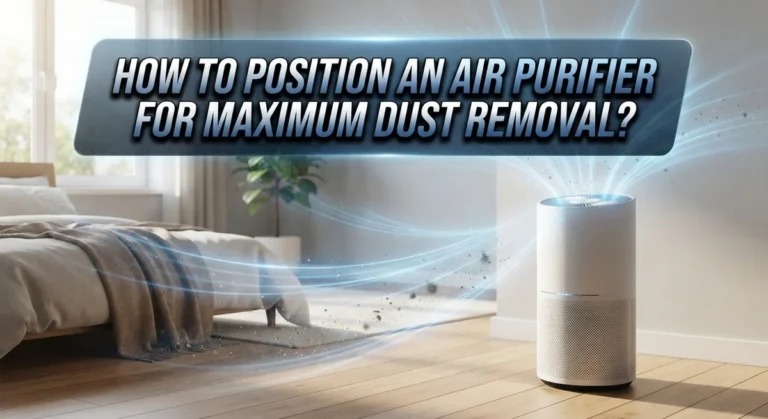
Pets move around the house, so their air follows them. Dog beds in a bedroom, a cat tree in a sunroom, or a favorite napping spot by the couch all add fur to the air. Place the unit where pets spend the most time, then add a second unit if needed.
Furniture can also slow airflow. Heavy sofas and tall shelves may block the intake. Leave a clear space around the unit so it can pull in air from all sides.
Doorways and vents matter too. Closed doors trap pet dander inside one room. Keep doors open when the unit runs, so air moves freely between spaces.
Test the fit after a week. Look at shelves and floors in the same spots. If dust and fur stay low, the size fits your home. If they keep building up, you may need a second unit.
Write down what you notice each day. A short note helps you spot patterns.
Top 3 Alternatives
Looking for other options? These three air purifiers handle pet hair well, and each one has its own strengths.
Levoit Core 300


Last update on 2026-11-19 / Affiliate links / Images from Amazon Product Advertising API
The Levoit Core 300 works well in small rooms. It captures pet hair, dust, and everyday odors with its three filter layers. Its quiet fan makes it easy to run overnight. The controls are simple, so anyone in the home can use it.
Good fit for: bedrooms and small offices. Its compact size fits on most floors.
Blueair Blue Pure 211

Last update on 2026-11-17 / Affiliate links / Images from Amazon Product Advertising API
The Blueair Blue Pure 211 suits larger spaces. It moves air quickly and pulls in fine particles, including pet dander. Its fabric prefilter catches big hair before it reaches the main filter. Many owners like its clean, simple look.
Good fit for: living rooms and open spaces. It helps keep the air fresh between cleanings.
Winix 5500-2

Last update on 2026-11-17 / Affiliate links / Images from Amazon Product Advertising API
The Winix 5500-2 offers a strong mix of features for busy homes. Its carbon filter reduces smoke and cooking smells. The air quality sensor shows changes in the room. Auto mode adjusts the fan speed for you.
Good fit for: homes with several pets. The sensor shows when the air needs more cleaning.
Choose the model that matches your room size and daily routine. Each one can help keep pet hair under control.
Noise Levels and Fan Settings
Noise often decides whether you keep a purifier running or switch it off. A loud unit can disturb sleep, phone calls, and quiet evenings with your pets. This part looks at how fan settings shape the sound you hear every day.
Research on this model mentions five fan speeds, though that detail comes from a listing that does not clearly tie it to Faveetie. Treat the number as a starting point. Test each level yourself before you rely on it.
Lower speeds suit steady background use. They usually produce a soft hum that fades into the room. Many people set this level and forget about it during work hours, which keeps the space calm.
Higher speeds handle short bursts of trouble. Cooking smoke, a fresh grooming session, or a heavy shedding day may call for more airflow. Expect the sound to rise as you turn the dial up.
Pets hear the change too. Some cats leave the room, while some dogs bark at a sudden shift in tone. Watch your animals for a few days and note how they settle or react.
Run a simple sound check at home. Sit in your usual chair for ten minutes at each speed. Listen for whistling, buzzing, or rattling, since those sounds can signal a loose part or an unstable surface under the unit.
Bedrooms need extra care. Pick a quiet setting before bed and keep it there for most of the night. If the sound still keeps you awake, move the unit to a different spot or lower the speed one step.
A soft sound can feel different in a large room than in a small one. Hard floors and bare walls may echo the hum. Rugs and curtains can soften it.
Balance is the goal. Clean air matters, yet daily comfort matters too. Choose the speed that you can live with for hours, and let the purifier do its job without constant annoyance.
Filter Maintenance and Replacement Costs
Start by checking the filter every week. Pet hair builds up fast on the outer layers. A quick look tells you more than any guess.
The Faveetie unit uses a True HEPA filter with activated carbon. Each layer does a different job. Keep that in mind when you plan upkeep.
Some user videos report that the filter fills up quickly. Heavy shedding pets can speed that up. Plan for shorter gaps during heavy seasons.
Look for these signs that it needs attention. The airflow feels weaker than before. The room smells stale again. The unit runs louder with no change in fan setting.
Pull the filter out gently. Tap it over a trash bin to knock loose fur free. Avoid shaking it hard near an open window or a fan.
Never rinse a HEPA layer unless the manual says it is safe. Water can damage the fine fibers. Dry every part fully before you reinstall it.
The carbon layer works differently. It handles odors and gases rather than hair. Its life often differs from the HEPA layer, so check it separately.
Replacement timing depends on use. A small home with one pet differs from a busy house with several animals. Track your results over time instead of relying on a fixed date.
Keep spare filters on hand. Running out leaves the room unprotected. Having one ready lets you swap quickly without a gap in clean air.
Write the install date on the filter frame with a marker. This simple habit shows when the last change happened. It also helps you spot patterns in use.
Vacuum the vents and the outside of the unit each time you swap the filter. Loose dust can drift back into the air. A damp cloth works well on the housing.
Check the manual or box before you order a replacement. A mismatched filter can leave gaps around the edges. Confirm the model name matches your unit.
Pros and Cons
Pros
- Strong suction pulls pet fur off floors and furniture.
- The H13 True HEPA filter works with activated carbon.
- A digital air quality display shows changes in the room.
- Users report that it helps reduce candle smoke.
- Cleaning the unit looks simple in user videos.
Cons
- Most performance claims come from social videos, not lab tests.
- The 98% removal rate is unverified and has no clear source.
- Energy figures come from a listing that does not clearly match this model.
- Coverage ratings differ, with one source listing a lower square footage.
Who Should Buy It
If you share your home with a dog or cat, this purifier deserves a close look. It targets the fur and dander that drift through living spaces.
Busy households with heavy shedders gain the most. Many owners sweep the floor twice a day. A unit like this can catch some loose hair before it settles on the sofa and rugs.
Pet owners who already vacuum on a regular schedule may notice the biggest change. The purifier picks up what floors and furniture release between cleanings.
People with pet allergies often ask about purifiers first. This unit may ease some discomfort, but it does not replace medical advice. A doctor can offer the best plan for allergy care.
Renters and people in smaller apartments also fit well here. A compact frame is easier to place in a corner without blocking the walkway. Check the room size first, though, because rated coverage varies between sources.
Parents with young children often want a clear sign that the air changed. The digital display offers a simple way to watch the room. Kids can even learn to read the numbers and see how cooking or play affects the air.
Remote workers, students, and retirees spend long hours at home. A purifier running in a study or home office can make those afternoons feel more comfortable.
This model may not suit everyone. Buyers who need proof of exact removal rates should wait. Most strong claims come from social videos, not independent lab tests. Look for third party testing before you decide.
Households with a large open plan space may need extra help. One device rarely covers every corner of a big home. Plan placement carefully and check how the room feels after a day of use.
Final Verdict
The Faveetie pet hair air purifier deserves a serious look from pet owners. Its main goal is to handle shedding and everyday indoor air. That focus sets it apart from general purpose models.
The strongest case for this unit is its practical design. It pairs a pet hair focus with features many shoppers want. Still, the best choice depends on your home and daily routine.
Independent testing is still missing from the picture. Verified specs would make the choice easier. Until then, treat each claim as a starting point.
Compare before you decide. Many shoppers look at LEVOIT, Medify, and AirDoctor first. The Ultimate Pet True HEPA model is another option worth reviewing for pet homes. Put each choice side by side.
Think about your room size before buying. Measure the floor space and note how often the door stays open. Airflow in open layouts can differ from closed rooms.
Read recent reviews from owners with similar pets. Look for comments about noise at higher fan speeds. Noise matters most in bedrooms and home offices.
A purifier works best alongside regular cleaning and grooming. It cannot replace the basics. Think of it as a helper, not a full solution.
Our overall verdict is cautiously positive. The Faveetie unit looks capable for many pet households. Strong independent data would make that verdict clearer.
Start with a short trial in your own space. Run the unit for one week and track changes in floor hair and dust. Keep notes each day so patterns stand out. Your own results matter more than any online claim.
In short, this purifier suits pet owners who want a focused tool. It offers promising features alongside clear gaps. A careful look at your needs will guide the final call. Choose the option that fits your daily life best.
Frequently Asked Questions
How often will the filter need attention?
Users report that the filter fills up fast, so check it often. Look at the filter every week during the first month. Then adjust the schedule based on how much your pets shed.
Where should I place it for pet hair?
Put the unit in the room where your pets rest the most. Keep it away from walls and heavy furniture. This gives the air room to move through the filter.
Does the “works too well” complaint mean something?
The Reddit complaint does not clearly refer to this model. Treat it as unclear, not as proof. Read several reviews from owners of this exact model to get a fair picture.
What should I check on a listing before I buy?
Confirm the listing names Faveetie and this exact model number. Some energy figures online may belong to a different product. Also compare the rated room size across sources, since the numbers differ.

I’m Maya Brown, the voice behind Pure Breeze Vault. I write detailed, honest, and easy-to-follow air purifier reviews to help readers compare features, understand filter technologies, and choose products with confidence. My goal is to make research simpler, clearer, and more practical for anyone improving indoor air quality at home.