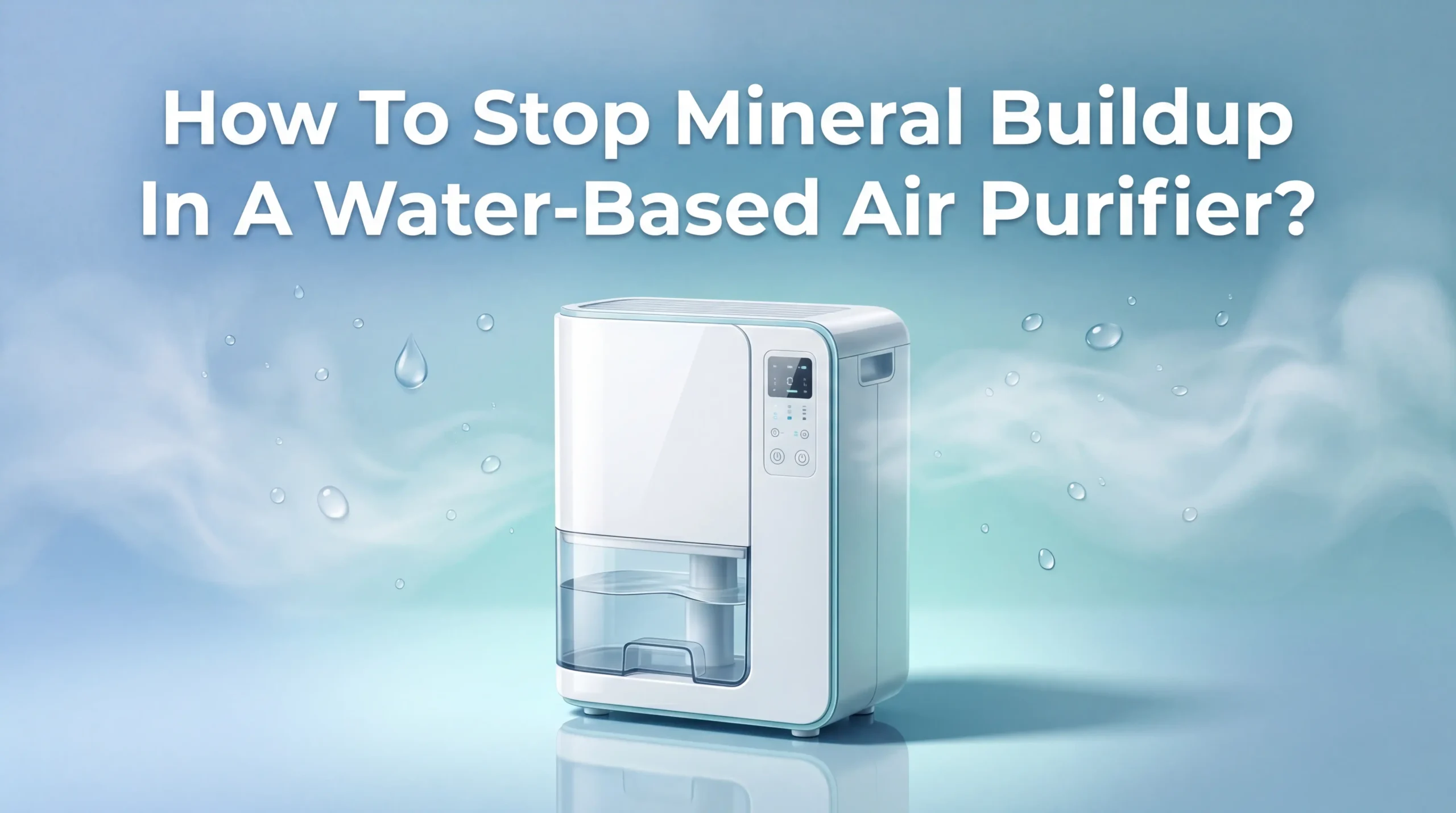
How To Stop Mineral Buildup In A Water-Based Air Purifier?
Your water-based air purifier promised clean, fresh air. Instead, you found a crusty white film coating the basin. That chalky layer is mineral buildup, and it slows your machine down.
It can also push fine white dust into your room. The good news is simple: you can stop it. This post gives you clear steps to fight buildup, keep your purifier humming, and breathe easier.
You do not need fancy tools or expensive parts. You just need the right habits and a few cheap supplies. Let me walk you through every step, from prevention to deep cleaning, so your purifier stays clean for years.
In a Nutshell:
- Mineral buildup comes from hard water. Calcium and magnesium in tap water settle on surfaces as the water evaporates. The harder your water, the faster the crust forms.
- Distilled or demineralized water is your best defense. These waters carry almost no minerals, so they leave almost no residue. This single switch solves most problems.
- Regular cleaning beats deep scrubbing. A quick rinse every few days stops crust from hardening. Soft buildup wipes away. Hard buildup fights back.
- Vinegar and citric acid dissolve scale safely. Both are cheap, natural, and effective. They break down deposits without harsh chemicals.
- A demineralization cartridge or water softener cuts the problem at the source. These tools strip minerals before water ever enters your machine.
- Empty the tank when not in use. Standing water dries out and crystallizes fast. Fresh water in, old water out keeps your purifier clean and your air healthy.
What Causes Mineral Buildup In A Water-Based Air Purifier?
Mineral buildup starts with your tap water. Most tap water carries dissolved calcium and magnesium. These minerals make water “hard.” When your purifier runs, water evaporates or moves through a fan. The minerals stay behind. Over time, they stack up into a white, chalky crust.
The harder your water, the faster this happens. Water hardness gets measured in parts per million or grains per gallon. Water above 120 mg/L counts as hard.
Water above 180 mg/L counts as very hard. If you live in a hard water area, your purifier collects scale quickly. The basin, the fan blades, and any small parts all become targets for buildup.
How To Tell If Your Purifier Has Mineral Buildup
Spotting buildup early saves you trouble. Look inside the water basin first. A white, gray, or crusty film on the walls means minerals have settled. You might also see flaky deposits on the fan or moving parts.
Pay attention to other signs too. Your purifier may run louder than usual as parts struggle against the crust. You might notice a fine white dust on furniture near the unit.
That dust is mineral residue thrown into the air. The water might also smell stale or look cloudy. Reduced mist or weaker airflow is another red flag. If you spot any of these, your machine needs cleaning. Catching buildup early means a quick wipe instead of a hard scrub later.
Why Stopping Mineral Buildup Matters For Your Health And Machine
Mineral buildup is more than an eyesore. It hurts both your health and your machine. White dust from hard water can float into the air you breathe. People with allergies or asthma may feel worse around this fine particulate. It settles on surfaces and adds to indoor dust.
Buildup also strains your purifier. Scale forces the motor and fan to work harder. This shortens the lifespan of your machine and raises your power bill. Crusty deposits trap bacteria and mold too, which can spread odors and germs into your room.
A clean purifier runs quietly, lasts longer, and gives you genuinely fresh air. Stopping buildup protects your investment and your lungs at the same time. That is why prevention pays off so well.
Use Distilled Or Demineralized Water To Prevent Buildup
The simplest fix is the water itself. Distilled water contains almost no minerals. Since there are no minerals, there is nothing left behind to form crust. This one change solves most buildup problems for good. Demineralized and reverse osmosis water work nearly as well.
Switching is easy. Buy distilled water or make your own with a home distiller. Fill your purifier with it instead of tap water. Your basin stays clean, and white dust disappears from your furniture.
Pros: Stops buildup at the source, reduces white dust, keeps your machine clean, and protects your health.
Cons: Distilled water costs money over time. Buying it weekly adds up. Storing bottles takes space. Some people find the ongoing cost annoying for daily use.
Clean Your Water-Based Air Purifier Regularly
Regular cleaning is your strongest habit. Fresh deposits wipe away easily. Old, dried deposits turn rock hard and resist scrubbing. A short clean every few days beats a long scrub once a month.
Follow these steps. First, turn off and unplug your purifier. Second, pour out all the old water. Third, rinse the basin with clean water. Fourth, wipe the walls and parts with a soft cloth or sponge. Fifth, dry everything before refilling.
This takes only a few minutes but makes a huge difference. Aim to rinse the tank every two or three days with regular use. Do a fuller clean once a week. Never let dirty water sit for long. Consistency keeps crust from ever forming in the first place.
How To Descale Your Air Purifier With White Vinegar
When buildup already exists, white vinegar dissolves it. Vinegar is acidic, so it breaks down calcium and magnesium deposits. It also kills bacteria and mold along the way. This makes it a strong, cheap cleaning choice.
Here is the method. Unplug the unit and empty the water. Mix equal parts white vinegar and warm water. Pour this into the basin until it covers the buildup. Let it soak for thirty minutes to one hour. Then scrub gently with a soft brush or cloth. Rinse thoroughly with clean water several times to remove all vinegar smell. Dry before refilling.
Pros: Cheap, natural, easy to find, dissolves scale well, and kills germs.
Cons: The smell can linger if you skip rinsing. Vinegar may damage some delicate parts, so check your manual first. It takes time to soak.
How To Clean Mineral Deposits With Citric Acid
Citric acid is a powerful alternative to vinegar. It comes as a powder and dissolves mineral scale fast. Many people prefer it because it has no strong smell. It is also gentle on ultrasonic parts when used correctly.
To use it, unplug and empty your purifier. Dissolve two tablespoons of food grade citric acid in one cup of warm, not hot, water. Pour this into the basin. Let it sit for thirty minutes to an hour. Wipe away the loosened deposits with a soft cloth. Rinse the basin well with clean water and dry it fully before refilling.
Pros: No lingering odor, very effective on tough scale, gentle on sensitive parts, and easy to store.
Cons: You must buy it separately since it is less common at home. Using too strong a mix can harm some plastics. Always mix it with warm water, never hot.
Install A Demineralization Cartridge For Long-Term Protection
A demineralization cartridge stops minerals before they cause trouble. These small filters sit inside or near the water tank. They trap calcium and magnesium so the water leaving your purifier carries fewer minerals. This cuts down white dust and crust at the same time.
Cartridges are popular for ultrasonic style purifiers and humidifiers. You simply place the cartridge in the tank and replace it every few weeks. It works quietly in the background with no effort from you.
Pros: Reduces buildup automatically, lowers white dust, requires little work, and lets you keep using tap water.
Cons: Cartridges wear out and need replacing, which adds ongoing cost. They do not remove every mineral, so some buildup may still appear. They may not fit every machine model.
Soften Your Tap Water To Reduce Buildup At The Source
A water softener treats hard water for your whole home. Softeners swap out calcium and magnesium for sodium. This makes your water gentle, so it leaves far less scale anywhere, including your purifier. It also helps your pipes, appliances, and skin.
Installation usually happens at your main water line. Once installed, all your water becomes soft automatically. You then fill your purifier with this softer water and notice much less crust.
Pros: Treats every water source in your home, protects all appliances, reduces buildup everywhere, and improves water feel.
Cons: Softeners cost a lot to buy and install. They add sodium to your water, which some people want to avoid. They need salt refills and regular upkeep. This is a big step for one small purifier.
Set A Cleaning Schedule You Can Stick To
Good habits beat good intentions. A clear schedule keeps your purifier clean without stress. When cleaning becomes routine, buildup never gets a chance to harden. The trick is matching the schedule to how often you run the machine.
Try this simple plan. Rinse the tank and change the water every two or three days. Do a gentle wipe down once a week. Run a full descaling soak with vinegar or citric acid once a month. If you use distilled water, you can stretch these times a little.
Mark your calendar or set phone reminders. Keep your supplies nearby so cleaning feels quick. A steady schedule turns a chore into a two minute task. Your machine stays fresh, and you avoid the dreaded hard crust forever.
Avoid Common Mistakes That Speed Up Mineral Buildup
Small mistakes make buildup worse. Leaving old water in the tank is the biggest one. Standing water dries out and crystallizes into stubborn scale. Always empty the tank when you finish using the purifier.
Watch out for these other errors too. Using hot water in your tank can warp parts and speed mineral release. Skipping the rinse after cleaning leaves residue behind. Using harsh chemical cleaners can damage seals and plastics. Refilling without drying traps moisture that breeds mold.
Also avoid placing your purifier in direct sunlight, since heat speeds evaporation and scaling. Never ignore early white film, because soft buildup is easy to remove while hard buildup is not. Fixing these habits keeps your machine cleaner with less effort overall.
Maintain Filters And Parts To Keep Your Purifier Working Well
Buildup affects more than the water basin. Filters, fan blades, and small parts all collect minerals too. Keeping these clean helps your purifier work at full strength. Neglected parts trap scale, dust, and germs that lower air quality.
Check your manual for which parts are removable. Take out washable filters and rinse them under clean water. Wipe fan blades gently with a damp cloth to remove dust and film. Replace any filters that the maker says are disposable. Let all parts dry fully before you put them back.
Inspect your machine every week for hidden buildup. Clean rubber seals and gaskets too, since scale loves to hide there. Well maintained parts mean better airflow, cleaner air, and a longer machine life. A little care goes a long way.
Choose The Right Air Purifier To Minimize Future Problems
Your choice of machine matters. Some water-based purifiers handle hard water better than others. Models with built in demineralization or easy to clean basins save you work. Wide openings let you reach every corner during cleaning.
Look for a few helpful features when picking a unit. Removable, dishwasher safe parts make cleaning simple. A basin made of smooth, non porous material resists scale.
Models that accept demineralization cartridges give you extra protection. Simple designs with fewer tiny crevices are easier to keep clean.
Read the maintenance instructions before you buy. A machine that is hard to clean will frustrate you and collect crust fast. Picking a low maintenance model from the start prevents many headaches. The right purifier works with you, not against you, keeping buildup small and manageable.
Frequently Asked Questions
Why does my water-based air purifier leave white dust?
White dust comes from minerals in hard water. Calcium and magnesium stay behind when water evaporates. Your purifier then throws this fine residue into the air, where it settles on furniture. Using distilled water or a demineralization cartridge stops the white dust quickly.
Can I use tap water in my water-based air purifier?
You can, but tap water causes the most buildup. Hard tap water leaves calcium and magnesium deposits that form crust and white dust. If your water is soft, tap water causes less trouble. For best results, switch to distilled or demineralized water to keep your machine clean.
How often should I clean my water-based air purifier?
Rinse the tank and change the water every two or three days. Wipe it down once a week. Run a full vinegar or citric acid soak once a month. If you use distilled water, you can clean a little less often. Regular cleaning stops buildup from hardening.
Is vinegar or citric acid better for removing mineral buildup?
Both work well. Vinegar is cheap and easy to find, and it kills germs. Citric acid has no strong smell and is gentle on delicate parts. Choose vinegar if you want something on hand, or citric acid if odor bothers you. Always rinse thoroughly after either one.
Will mineral buildup damage my air purifier permanently?
Buildup can shorten your machine’s life if you ignore it. Scale strains the motor and fan, raising power use and wear. It also traps bacteria and mold. Catching buildup early and cleaning regularly prevents permanent harm. A clean purifier runs quietly and lasts much longer.
Does a demineralization cartridge remove all minerals?
No cartridge removes every mineral, but they help a lot. They trap most calcium and magnesium before water enters your purifier. This cuts down white dust and crust. You will still need occasional cleaning, and you must replace the cartridge regularly for it to keep working well.

I’m Maya Brown, the voice behind Pure Breeze Vault. I write detailed, honest, and easy-to-follow air purifier reviews to help readers compare features, understand filter technologies, and choose products with confidence. My goal is to make research simpler, clearer, and more practical for anyone improving indoor air quality at home.