How To Fix An Air Purifier Making The Room Smell Worse?
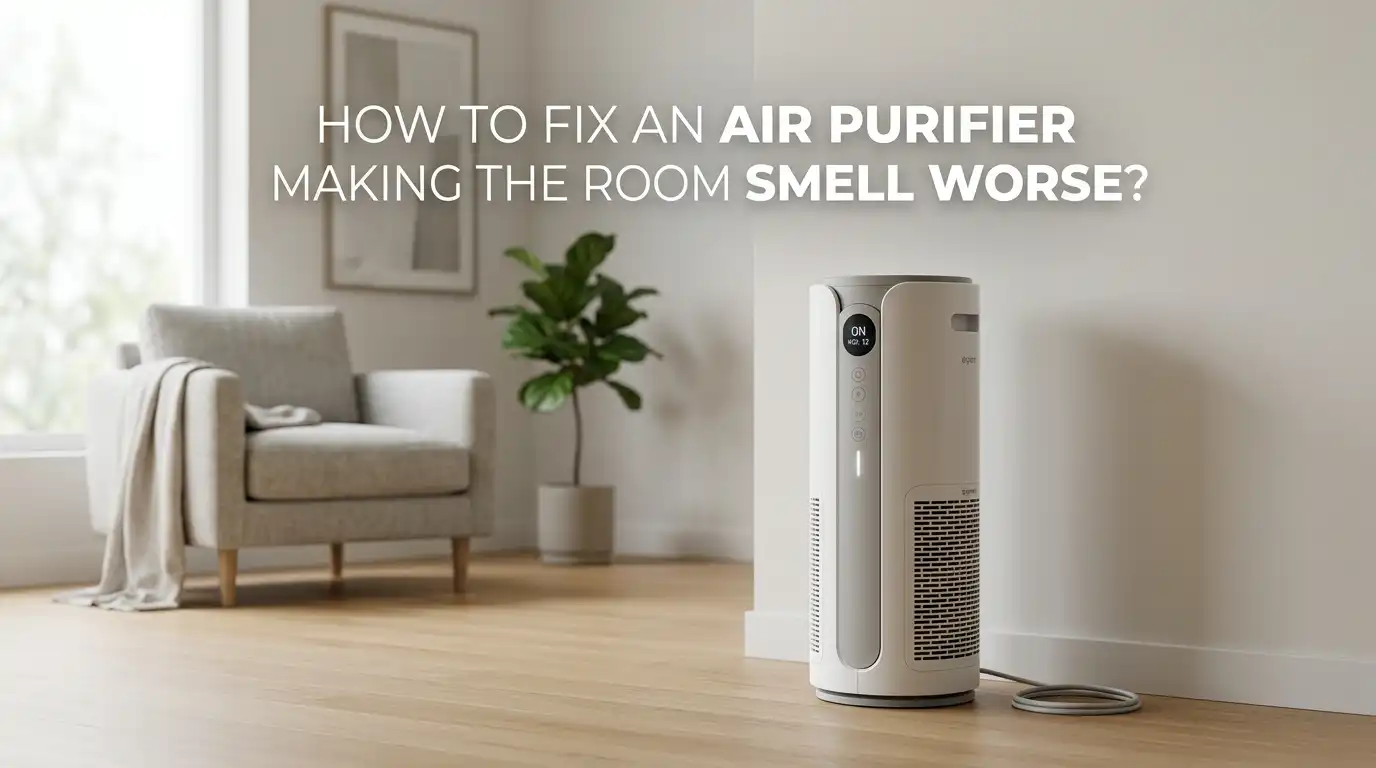
Your air purifier should freshen your space. Instead, it pumps out a strange odor that makes the room smell sour, musty, or even like burning plastic. You are not alone. Many homeowners notice this exact problem after weeks or months of running their unit.
The good news is that fixing a smelly air purifier is usually simple. Most odor problems come from dirty filters, trapped moisture, or stuck pollutants. With a few easy steps, you can bring back the clean, fresh air your purifier promised.
This guide walks you through every cause and every fix. Keep reading to find out why your purifier smells, how to clean it the right way, and how to stop the problem from coming back.
In a Nutshell
- Dirty filters are the top reason your purifier smells bad. Replace HEPA filters every 6 to 12 months and carbon filters every 3 to 6 months for the best results.
- Moisture causes mold and mildew inside the unit. Always keep your purifier in a dry, well ventilated spot and never near a humidifier or open window.
- A burning or ozone smell is a warning sign. Turn the unit off right away, unplug it, and check the motor, vents, and ionizer settings before using it again.
- Carbon filters can be refreshed in sunlight for two to three hours. This trick removes trapped odors and extends the filter life by a few weeks.
- Room conditions matter as much as the device. Clean the room itself, vacuum carpets, wash curtains, and remove hidden mold sources so the purifier does not recycle the same smells.
- Regular maintenance solves 90 percent of odor issues. A simple monthly wipe down of vents, sensors, and pre filters keeps your air purifier smelling neutral and working at full power.
Why Does Your Air Purifier Smell Bad In The First Place?
An air purifier pulls in dirty air and traps particles inside its filters. Over time, these trapped particles build up. Dust, pet dander, cooking grease, smoke, and bacteria all collect on the filter surface. When air keeps passing through this loaded filter, it picks up the old smells and pushes them back into your room.
Carbon filters are especially prone to this problem. They soak up gases and odors like a sponge. Once full, they release those same odors back into the air. A sour, musty, or chemical smell is the most common complaint from users.
Knowing the root cause helps you pick the right fix. The next sections break down each smell type and how to handle it step by step.
Check The Filter For Dust And Dirt Buildup
The first thing you should do is open the unit and look at the filter. A heavily loaded filter looks gray, brown, or even black. This is the number one reason for bad smells. Dust and debris create a perfect home for bacteria and mold.
Step by step check: Unplug the purifier. Open the back or side panel. Pull out the pre filter and the main HEPA filter. Hold them up to the light. If you cannot see through the pre filter, it needs cleaning. If the HEPA filter looks dark and packed, it needs replacement.
Pros: Quick visual inspection takes less than five minutes and tells you exactly what to do next.
Cons: You cannot always see deep clogging, and some bad smells come from invisible bacteria growth.
Clean Or Replace The Pre Filter Right Away
The pre filter is your first line of defense. It catches large dust, hair, and lint before they reach the main filter. Most pre filters are washable, which makes them easy to maintain. A clean pre filter helps the rest of the system work better.
How to clean it: Remove the pre filter and tap it gently into a trash can. Vacuum both sides with a soft brush attachment. If the manual says it is washable, rinse it under cool water with mild soap. Let it dry fully for at least 24 hours before putting it back.
Pros: Washing the pre filter is free and takes ten minutes.
Cons: A wet pre filter put back too soon creates mold inside the unit and makes the smell much worse than before.
Replace The HEPA Filter On Time
HEPA filters trap tiny particles like pollen, smoke, and bacteria. They cannot be washed because water damages the fibers. Once a HEPA filter is full, it stops working and starts smelling. Most HEPA filters need replacement every 6 to 12 months.
Check your manual for the exact schedule. Heavy users in dusty homes, homes with pets, or homes with smokers should swap filters more often. Some smart purifiers have an indicator light that tells you when a change is due. Trust that light.
Pros: A fresh HEPA filter removes 99.97 percent of fine particles and clears bad smells instantly.
Cons: Replacement filters cost money, and using off brand filters can sometimes fit poorly and let air bypass the filter.
Refresh Or Replace The Activated Carbon Filter
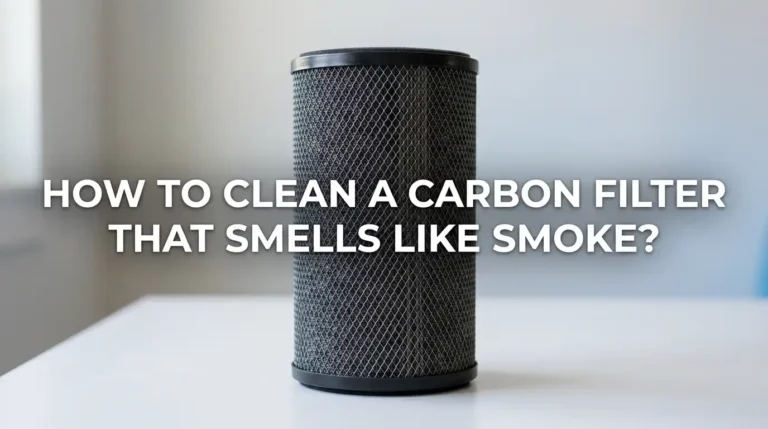
The carbon filter handles smells, gases, and chemical fumes. It uses tiny pores to trap odor molecules. Once those pores fill up, the filter starts releasing the trapped smells back into the room. This is why your purifier smells like the kitchen, the bathroom, or pet odors.
Quick fix: Place the carbon filter in direct sunlight for two to three hours. The sun and warmth release some trapped odors and give the filter a short second life. This works for mild cases.
Permanent fix: Replace the carbon filter every 3 to 6 months.
Pros: Sun refreshing is free and quick.
Cons: The trick only works once or twice before the filter is fully spent and must be replaced.
Look For Mold And Mildew Inside The Unit
A musty, wet dog, or basement smell points to mold. Mold grows when moisture gets trapped inside the purifier. This often happens in humid rooms, bathrooms, or near windows. Mold is a health risk, so handle this fix carefully.
Step by step: Unplug the unit. Wear gloves and a mask. Open every panel. Wipe inside surfaces with a cloth dipped in a mix of one cup water and one tablespoon bleach, or use a vinegar and water mix. Let the unit air dry for a full day before reassembly. Replace any filter that smells moldy. Do not try to clean a moldy HEPA filter, because spores stay deep in the fibers.
Pros: Bleach or vinegar kills mold spores fast.
Cons: Strong cleaning agents can damage plastic parts if used too often.
Address The Ozone Or Burning Plastic Smell
A sharp, bleach like, or chlorine like smell is ozone. Ionizers and some UV purifiers produce small amounts of ozone as a side effect. Ozone is harmful to your lungs, especially for kids, seniors, and people with asthma.
What to do: Turn off the ionizer feature if your model has a toggle. Open windows to vent the room. If the smell stays even after the ionizer is off, the unit may be faulty. A burning plastic smell points to a different issue, often dust burning on the motor or a wiring problem. Unplug the unit and stop using it until checked.
Pros: Turning off the ionizer fixes the issue instantly in most cases.
Cons: Some purifiers do not let you switch off the ionizer, so you may need to return the unit or buy a different model.
Wipe Down The Vents, Sensors, And Housing
Dust builds up on the air intake grilles and the outlet vents. This dust mixes with humidity and creates its own smell. Cleaning the outside of the unit is just as important as cleaning the filters.
How to do it: Unplug the purifier. Use a microfiber cloth to wipe the outer shell. Use a soft brush or cotton swab to clean the sensor opening, which is usually a small slit on the side. Vacuum the intake and outlet grilles. Dirty sensors give wrong readings and make the purifier run on the wrong speed, which can also cause odor issues.
Pros: Monthly wiping keeps the purifier running smoothly and quietly.
Cons: Skipping this step means dust gets pulled back in and the smell returns within days.
Place The Air Purifier In The Right Spot
Where you put the purifier matters a lot. A purifier placed next to a wall, behind furniture, or near a window does not breathe properly. Poor airflow leads to filter saturation and bad smells.
Best placement tips: Keep the unit at least 12 to 18 inches from walls. Avoid placing it next to humidifiers, kitchens, or bathrooms where steam and grease can flood the filters. Set it on a flat, dry surface. Do not put it on carpet, because carpet fibers block the bottom intake on some models.
Pros: Good placement extends filter life and improves air quality fast.
Cons: Some rooms have limited space, so finding the perfect spot takes some planning.
Control The Humidity In Your Room
High humidity makes everything inside the purifier damp. Wet filters grow mold and bacteria within days. If your home humidity stays above 60 percent, you will keep facing smell problems no matter how often you clean.
How to lower humidity: Use a dehumidifier in damp rooms. Run the bathroom fan for 20 minutes after showers. Fix leaks under sinks and around windows. Aim for indoor humidity between 30 and 50 percent. A small hygrometer costs little and helps you track levels.
Pros: Lower humidity stops mold growth at the source and protects your filters.
Cons: Running a dehumidifier adds to your power bill and creates more devices to maintain.
Clean The Room Around The Purifier
Your purifier can only filter the air it pulls in. If the room is full of dust, pet hair, smoke residue, or hidden mold, the unit keeps recycling those smells. A clean room makes the purifier smell better too.
Quick room reset: Vacuum carpets and rugs with a HEPA vacuum. Wash curtains, bedding, and pet blankets. Wipe down baseboards and ceiling fans. Check under furniture for dust. Look for hidden mold behind dressers, in closets, and under sinks. Empty the trash often.
Pros: A clean room cuts down the workload on your purifier and makes filters last longer.
Cons: Deep cleaning takes time and may need to be repeated weekly in busy homes.
Reset The Filter Indicator After Maintenance
Many modern air purifiers have a filter change light. After you replace or clean the filter, you must reset this indicator. If you skip this step, the unit may not run at full power because it still thinks the filter is dirty.
How to reset: Check your manual for the exact button combo. Most models use a long press of the filter reset button for three to five seconds. The light should turn off or change color. Some smart purifiers reset through their app.
Pros: A proper reset keeps the timer accurate so you replace filters on the right schedule.
Cons: Forgetting to reset confuses the next maintenance cycle, and you might replace filters too early or too late.
When To Call A Professional Or Replace The Unit
Sometimes the smell will not go away no matter what you do. If you have cleaned every part, replaced every filter, and the odor still lingers, the problem may be inside the motor or the electrical parts. A burning smell that keeps coming back is a fire risk.
Signs you need help: Smoke from the unit, loud grinding noises, sparks, or a melted plastic smell. Stop using the purifier right away. Most purifiers come with a one to five year warranty, so check with the maker before paying for repairs. Units older than seven years often cost more to fix than to replace.
Pros: Replacing an old unit gives you better technology and a fresh start.
Cons: New purifiers cost money, so try every cleaning step first.
Frequently Asked Questions
Why does my air purifier smell like wet dog or sour milk?
This smell means bacteria or mold is growing on the filter. It usually happens when the unit sits in a humid spot or when filters stay in too long. Clean the inside with vinegar water and replace the filters right away.
How often should I clean my air purifier?
Wipe the outside and vacuum the pre filter every two weeks. Do a deep clean of the housing every one to two months. Replace HEPA filters every 6 to 12 months and carbon filters every 3 to 6 months.
Can I wash a HEPA filter to remove the smell?
No. Washing a HEPA filter damages the fine fibers that trap particles. Once a HEPA filter smells bad, it must be replaced. Only pre filters marked as washable can be cleaned with water.
Is the ozone smell from my air purifier dangerous?
Yes, ozone in indoor air can irritate the lungs and trigger asthma. If you smell a sharp, bleach like odor, turn off the ionizer feature and open windows. Look for purifiers that are certified ozone safe.
Can I use essential oils to mask the smell from my air purifier?
No. Essential oils can clog the filters and damage the motor. They also leave a sticky residue that traps more dust. Fix the root cause of the smell instead of covering it up.
Why does my new air purifier smell like plastic?
A faint plastic smell is normal for the first few days. It comes from new parts and packaging materials. Run the unit in a well ventilated room for a few days, and the smell should fade. If it stays longer than two weeks, contact the maker.

I’m Maya Brown, the voice behind Pure Breeze Vault. I write detailed, honest, and easy-to-follow air purifier reviews to help readers compare features, understand filter technologies, and choose products with confidence. My goal is to make research simpler, clearer, and more practical for anyone improving indoor air quality at home.