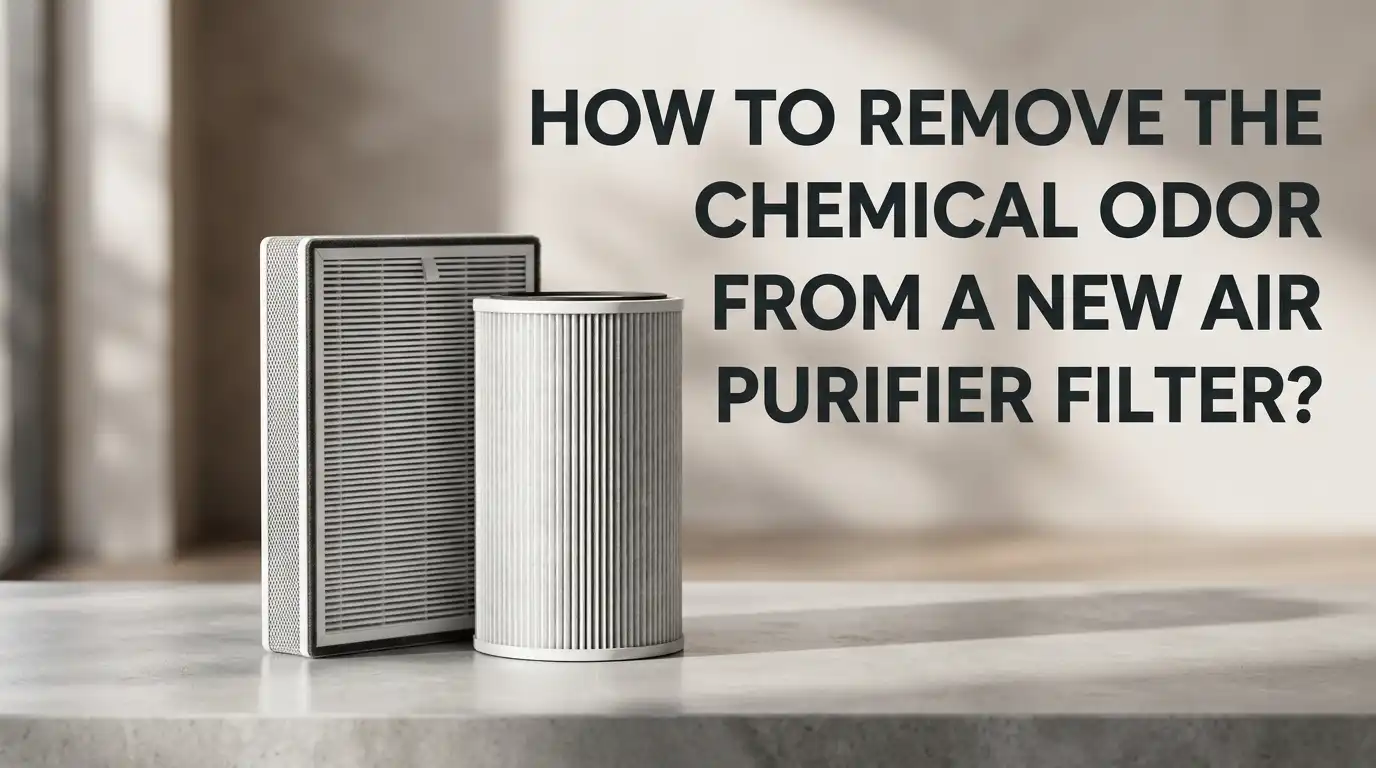
How To Remove The Chemical Odor From A New Air Purifier Filter?
You just unboxed a shiny new air purifier. You expected fresh, clean air. Instead, you got a weird plastic or chemical smell hanging in your room. Frustrating, right?
This smell is more common than you think. It comes from the brand new filter releasing tiny gases trapped during manufacturing. The good news is that you can fix this problem at home. You do not need to throw the filter away or return the unit.
This guide shows you simple steps to remove that chemical odor fast. Each method is safe, tested, and easy to follow. By the end, your air purifier will smell clean and work the way it should.
Key Takeaways
- The chemical smell is normal and usually comes from off-gassing of plastic parts, glue, and packaging materials used during filter production. It is mostly harmless but still unpleasant.
- Airing out the filter for 24 to 72 hours in a well ventilated space is the simplest and most effective first step. Sunlight and fresh outdoor air work wonders.
- Activated charcoal, baking soda, and white vinegar are natural odor absorbers. They can speed up the removal of VOC smells without damaging your filter.
- Running the air purifier on high speed in an empty, well ventilated room can burn off the smell within a few days of regular use.
- Never wash a HEPA filter with water unless the manufacturer marks it as washable. Water destroys the fiber structure and ruins the filter.
- If the smell does not fade after a week, the filter may be defective. Contact the seller or manufacturer for a replacement.
Why Does A New Air Purifier Filter Smell Like Chemicals?
A new filter smells because of off-gassing. This is the release of volatile organic compounds, also called VOCs, from the materials used to make the filter. Glue, plastic frames, and fiber treatments all give off small amounts of gas when fresh.
Most filters sit in sealed plastic bags for months before reaching you. The gases build up inside the package. When you open it, the smell hits you all at once. It can feel sharp, like burning plastic or strong glue.
The smell is usually strongest in the first few hours. It fades as the filter breathes. Carbon layers, HEPA mats, and pre filters all contribute to this odor in different ways.
Is The Chemical Smell From A New Filter Dangerous?
Most new filter smells are not toxic in small amounts. The VOCs released are similar to what you smell from a new car or fresh paint. Your body usually tolerates short exposure without harm.
However, people with asthma, allergies, or chemical sensitivities may feel headaches, dizziness, or throat irritation. Babies, pregnant women, and pets are also more sensitive. In these cases, you should treat the smell seriously and act fast.
If you ever notice a burning electrical smell or smoke, turn off the purifier right away. That is not normal off-gassing. It could be a wiring fault. The chemical odor from a fresh filter should always be mild and fade with time.
Step 1: Unbox And Air Out The Filter Before Use
This is the easiest fix and works for almost every new filter. Take the filter out of the plastic wrap as soon as you receive it. Do not install it right away.
Place the filter in a clean, dry, well ventilated room. A garage, balcony, or covered porch works well. Leave it there for at least 24 to 72 hours. Make sure no rain or moisture touches it.
The fresh air pulls the trapped gases out of the filter naturally. You will notice the smell gets weaker each day. This method is free, safe, and requires zero effort on your part.
Pros: Free, simple, and safe for all filter types. No risk of damage.
Cons: Takes time, needs a spare ventilated space, and may not fully remove strong smells.
Step 2: Use Direct Sunlight To Break Down VOCs
Sunlight is a natural odor remover. The UV rays in sunlight help break down VOC molecules trapped in the filter material. This speeds up the off-gassing process by a large margin.
Place your filter outside on a sunny, dry day. A clean table, chair, or balcony rail works fine. Flip the filter every few hours so both sides get equal sun. Aim for 4 to 6 hours of direct light.
Avoid leaving the filter in the sun for more than one day. Too much heat can warp the plastic frame. Also, never expose the filter to rain or damp grass. Moisture will ruin the HEPA layer instantly.
Pros: Free, fast, and chemical free. Kills mild bacteria too.
Cons: Weather dependent. Long sun exposure may weaken the filter frame over time.
Step 3: Try The Activated Charcoal Trick
Activated charcoal is one of the best natural odor absorbers. It pulls chemicals and gases out of the air through a process called adsorption. You can buy small charcoal bags at most stores.
Place the new filter inside a large box or sealed bin. Add two or three bags of activated charcoal around it. Close the lid but leave a small gap for airflow. Let it sit for 24 to 48 hours.
The charcoal soaks up the VOCs while the filter rests. When you open the box, the smell should be much weaker. You can reuse the charcoal bags later by placing them in the sun.
Pros: Very effective, reusable, and safe around children and pets.
Cons: Costs a small amount upfront. Needs a sealed container to work well.
Step 4: Use Baking Soda As An Odor Absorber
Baking soda is a kitchen staple that doubles as a powerful deodorizer. It works by neutralizing acidic and chemical odors in the air. You probably already have some at home.
Pour a thick layer of baking soda into a shallow tray. Place the tray and the filter together inside a clean plastic bin with a loose lid. Leave them together for one to two days.
Do not sprinkle baking soda directly on the filter. The powder can clog the fibers and reduce airflow. Keep the soda in a separate container. After the smell fades, throw the used baking soda away.
Pros: Cheap, safe, and easy to find anywhere. Works on many types of smells.
Cons: Slower than charcoal. Can create a mess if it spills onto the filter surface.
Step 5: Run The Air Purifier In An Empty Room
Sometimes the fastest way to remove the smell is to just use the purifier. Set it up in a small, empty room with the windows slightly open. Run it on the highest fan speed for several hours.
The strong airflow pushes the trapped gases out of the filter quickly. The open window lets the smell escape outside. Keep pets, kids, and yourself out of that room during this time.
Repeat this process for two or three days. Most filters will smell fresh after this. This method also breaks in the carbon layer, helping it absorb smells better in the future.
Pros: Uses no extra tools. Speeds up filter performance over time.
Cons: You cannot use the room during the process. Slight increase in electricity use.
Step 6: Wipe The Plastic Housing With Vinegar
Sometimes the smell is not from the filter itself. It comes from the plastic body of the air purifier. A simple vinegar wipe down can clear that up fast.
Mix equal parts of white vinegar and water in a spray bottle. Lightly dampen a soft cloth with this mix. Wipe the outside and inside surfaces of the purifier, but never the filter itself. Let it air dry fully before putting the filter back.
Vinegar is a mild acid that neutralizes plastic and glue smells. It also leaves no harmful residue. The vinegar smell itself fades within an hour or two.
Pros: Cheap, natural, and removes mold and dust too.
Cons: Strong vinegar smell at first. Not safe for use directly on HEPA or carbon filters.
Step 7: Pre Run The Carbon Filter Separately
If your purifier has a separate activated carbon pre filter, you can treat it on its own. Carbon filters often carry the strongest chemical smell because they trap many gases during shipping.
Take the carbon filter out and place it in direct sunlight for 3 to 4 hours. The heat helps the carbon release trapped odors. You can also tap it gently to shake off loose dust before reinstalling.
Do not wash a carbon filter. Water clogs the tiny pores that absorb smells. After the sun bath, the carbon will work better and smell fresher. Put it back into the purifier and run it on medium speed.
Pros: Refreshes the carbon layer. Boosts odor absorption power.
Cons: Works only on carbon filters, not HEPA. Cannot use water for cleaning.
Step 8: Check For Manufacturing Defects
If the smell does not fade after a week of trying every method, you may have a defective filter. Some batches come out of the factory with extra glue or chemical residue. This is rare but does happen.
Inspect the filter closely. Look for wet spots, dark stains, or strong glue marks along the edges. A healthy filter should look uniform in color and feel dry to the touch. Any oily or sticky spot is a red flag.
Contact the seller or the brand directly. Most companies offer free replacements within the warranty period. Keep your receipt and packaging for proof. A real defect is not your fault to fix.
Pros: Solves the problem permanently with a fresh filter.
Cons: Takes time to process. May require shipping back the bad unit.
How To Prevent Chemical Smells From Future Filters
You can avoid this problem the next time you buy a filter. Always buy from trusted brands with good reviews. Cheap, unbranded filters often use low quality glue and plastic that smells more.
Store new filters in a cool, dry place. Do not leave them in a hot car or sunny window for long. Heat speeds up off-gassing inside the sealed package, making the smell worse when you open it.
Replace your filters on time. Most HEPA filters last 6 to 12 months. A clean schedule keeps your air fresh and reduces the chance of mold or musty odors building up later.
Pros: Saves money and stress in the long run. Improves air quality steadily.
Cons: Requires planning and tracking filter change dates.
When Should You Call A Professional?
Most filter smells are easy to fix at home. But sometimes you need expert help. If the smell turns sharp, sour, or burnt after running the purifier, stop using it right away. That may signal an electrical issue.
Also call a technician if the filter smells fishy or like rotten eggs. These smells can point to wiring problems, mold growth, or chemical leaks. They are not normal off-gassing and need proper inspection.
For people with strong chemical sensitivity or asthma, a professional indoor air quality test can also help. They use special tools to measure VOC levels in your home. This gives you peace of mind and clear next steps.
Final Thoughts
A chemical smell from a new air purifier filter is annoying but easy to solve. Most of the time, simple airing out, sunlight, or charcoal will do the job within a few days. You do not need to spend extra money or return your unit.
Always treat the filter gently and follow the brand instructions. Use natural methods first before trying anything stronger. Keep the filter dry and clean for the best results. With a little patience, your purifier will give you the fresh, clean air you paid for.
Frequently Asked Questions
How long does it take for a new air purifier filter to stop smelling?
Most filters lose their chemical smell within 2 to 7 days of regular use or airing out. If the smell stays longer than two weeks, the filter may be defective and should be replaced.
Can I wash my HEPA filter to remove the chemical smell?
No, you should never wash a standard HEPA filter with water. Water damages the fine fibers and makes the filter useless. Only wash filters that the brand clearly marks as washable.
Is the smell from a new filter harmful to my health?
For most people, the smell is mild and harmless. However, people with asthma, allergies, or chemical sensitivity may feel headaches or throat irritation. In that case, air out the filter outside before use.
Does the chemical smell mean my air purifier is fake or low quality?
Not always. Even top brands can have off-gassing smells because of plastic and glue used in production. However, very strong or lasting smells often point to cheaper, lower quality materials.
Can I use essential oils to mask the chemical odor?
No, do not use essential oils on or near the filter. Oils clog the fibers and can damage the carbon layer. They may also release more VOCs into your air, making the problem worse.
Will running my air purifier nonstop remove the smell faster?
Yes, running it on high speed in a ventilated room helps push out the trapped gases quickly. Just keep the window open and stay out of that room until the smell fades fully.

I’m Maya Brown, the voice behind Pure Breeze Vault. I write detailed, honest, and easy-to-follow air purifier reviews to help readers compare features, understand filter technologies, and choose products with confidence. My goal is to make research simpler, clearer, and more practical for anyone improving indoor air quality at home.