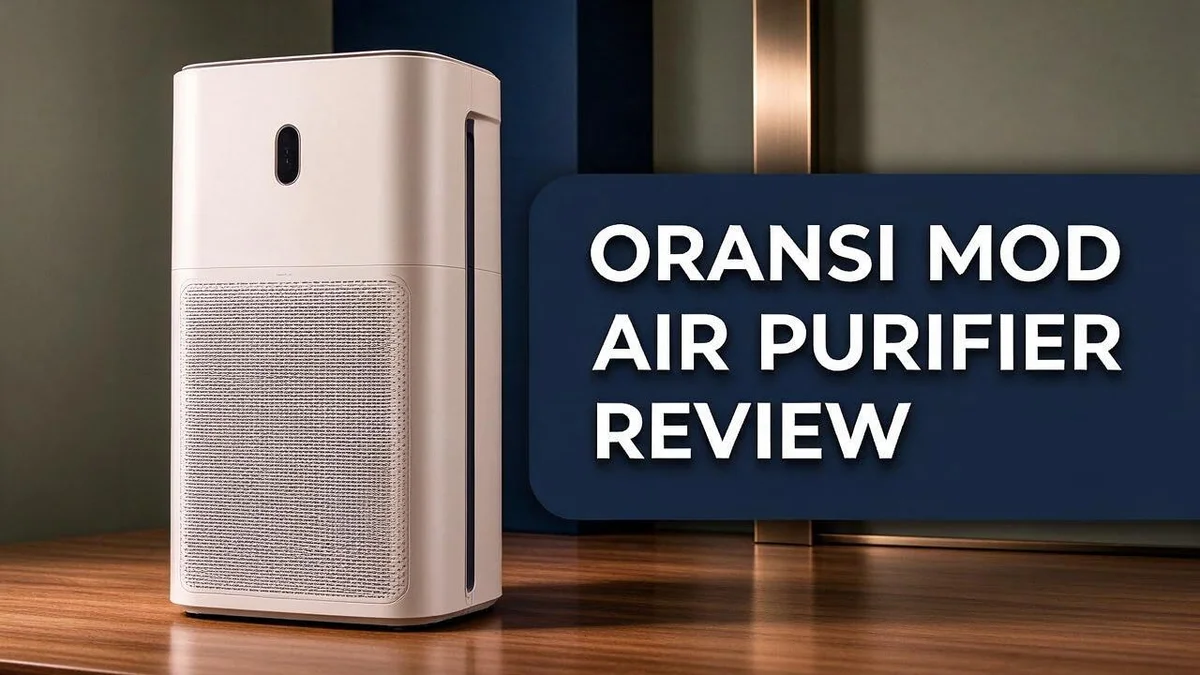
Oransi Mod Air Purifier Review 2026: In-Depth Breakdown
Do you ever wonder what you breathe indoors? Dust, pollen, and pet dander build up faster than most people expect. A good air purifier can make a real difference.
The Oransi Mod is one option worth a closer look. It uses a True HEPA filter that captures 99.97% of particles at 0.3 microns. A layer of activated carbon also helps reduce odors.
Coverage matters too. The Mod+ handles rooms up to 1,361 square feet with a CADR of 375. In testing, it moved more air than the Shark HP201 at every setting.
Still, not every feature wins everyone over. Some users find the extra app and air sensor unnecessary. Keep reading to see if this purifier fits your home and your daily needs.
In a Nutshell
-
Strong filtration: The Mod uses a true HEPA filter that captures 99.97 percent of particles at 0.3 microns. A layer of activated carbon adds extra cleaning for gases and odors.
-
Solid performance in big rooms: Testers found that the Mod handles large spaces well. It keeps the air moving even when the room is wide and open.
-
Better airflow than a popular rival: In testing, the Mod pushed more air than the Shark HP201 at every setting. That gives you a clear edge when you need faster results.
-
Simple control: A sliding control lets you change fan speed in seconds. You do not need to dig through menus to find the setting you want.
-
Efficient motor claim: Oransi highlights a motor designed to run efficiently. This claim comes from its AirMend line, so it is not yet confirmed for the Mod itself.
-
Extras may not suit everyone: Some owners say the app and air sensor feel unnecessary. If you prefer a basic machine, you may not use these features much.
Filtration Performance

Last update on 2026-11-18 / Affiliate links / Images from Amazon Product Advertising API
Filtration sits at the heart of any air purifier. Most of the cleaning happens inside the filters.
The Mod uses two filter layers. The first is a HEPA layer. The second is activated carbon.
The HEPA layer traps tiny particles as air passes through its dense mesh. Dust, pollen, and pet hair get caught there first.
The carbon layer does a different job. It handles odors, smoke smells, and some gases.
Why does this pairing matter? Many homes deal with more than dust. Cooking smells drift through the kitchen.
A HEPA filter alone does little for those problems. The carbon layer fills that gap.
Particle size matters too. Pollen and mold spores are often larger than smoke particles.
HEPA filters work well on particles that slip past basic filters. That makes them useful for people with sensitive airways.
Airflow matters as well. A filter can only clean air that actually passes through it.
Steady flow keeps the filters working on fresh air all day.
Real rooms present more challenges than lab setups. Doors, pets, and open windows all change the load on the filters.
Filter care keeps results steady. Carbon loses power once it absorbs many odors.
HEPA media collects dust over time. Heavy buildup slowly restricts airflow.
Check the filters on a regular schedule. Replace them when they look worn or when performance drops.
Placement helps too. Keep the unit clear of walls, curtains, and furniture.
Run it in the room you use most. Closing doors helps it clean the air faster.
A good habit is to use the purifier daily. Steady use keeps particles from building up.
Overall, the Mod suits people who want more than basic dust removal. Those focused mainly on chemical fumes may want to compare other options.
Airflow and Room Coverage
Room size plays a big role in how well any air purifier works. Strong filters cannot help if clean air never reaches the corners. Airflow decides how quickly a room gets refreshed.
Air changes per hour tell the story. Faster cycling means fewer dust clouds hang around after you vacuum or walk across a rug. This matters most in open living spaces where air moves freely from room to room.
Ceiling height changes the math too. Standard rooms have eight foot ceilings, but tall or vaulted spaces hold much more air. In those rooms, the unit needs more time to clean the full volume.
Placement makes a real difference. Set the purifier near the center of the room, away from walls and heavy furniture. Open space on every side lets clean air spread out in all directions.
Dead zones often form behind couches and in quiet corners where air sits still. Pull chairs or small furniture away from the unit so nothing blocks its path.
Closed doors can limit results. If the unit runs in one bedroom with the door shut, the cleaning stops at that wall. Keep the door open or move the unit to a central spot for better reach.
Good coverage needs a clear path. Keep curtains and bookshelves away from the intake and outlet so air moves without obstacles.
Match fan speed to your daily routine. Low speed works well overnight while you sleep. Higher speed helps after cooking, sweeping, or when guests fill the room.
Consistency also counts. Running the purifier every day keeps particles from building up between cleanings. Short bursts rarely match the steady results of all day use.
Measure your room first. Then you can choose the setting and position that fit your home best.
Controls and Daily Use
Daily use gets easier with a simple routine. Many people switch on a purifier only when the air feels stale. Running it on a set schedule works better for steady results.
Try a higher setting in the morning. Dust settles overnight, so a short burst of airflow clears it before you start moving around the house. Once the air feels fresh, you can drop to a gentle speed.
Noise matters too, especially in the evening. Lower speeds usually stay quiet enough for conversation, reading, or sleep. Spend a few evenings testing different settings so you know which one fits your comfort level.
Keep the area around the unit clear. Furniture, curtains, and piles of laundry can block the intake. Leave open space on every side so air can move freely in and out.
Pet owners should plan for extra fur. Wipe the outside of the housing with a dry cloth each week. A quick wipe stops dust from building up on the surface and keeps the unit looking clean.
Watch the filter indicator closely. Replacing filters on time keeps performance steady. Write the replacement date on your calendar so you never have to guess when it is due.
Before you move the unit, switch it off and unplug it. This simple step protects the motor and prevents accidental bumps while the fan is spinning.
Small habits create big gains. A steady routine keeps your air fresher every day. Check the settings, clear the space, and enjoy easier breathing at home.
Top 3 Alternatives
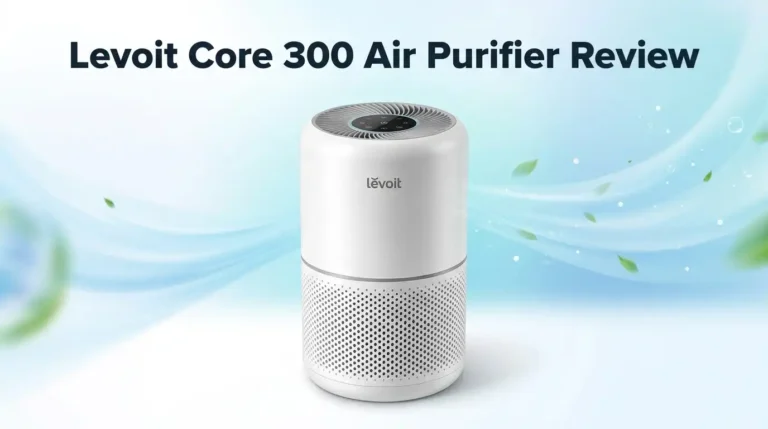
Levoit Core 300
Levoit Core 300 works well in small rooms. It uses a three-stage filter that traps dust, pollen, and pet dander.
The unit runs quietly, so it suits bedrooms at night. Its compact design fits on a nightstand or small desk.
A sleep mode dims the display light for night use. Replacement filters are easy to find and install.
Blueair Blue Pure 211+


Last update on 2026-11-17 / Affiliate links / Images from Amazon Product Advertising API
The Blueair Blue Pure 211+ covers larger rooms. It pairs a particle filter with a carbon layer.
The carbon layer helps reduce odors from cooking and smoke. The fan has several speeds, so you can adjust the airflow.
It works well for pet owners and smokers alike. Cleaning the pre-filter is simple with a quick rinse.
Winix 5500-2

Last update on 2026-11-17 / Affiliate links / Images from Amazon Product Advertising API
The Winix 5500-2 offers a true HEPA filter and a PlasmaWave option. It handles dust, smoke, and allergens well in medium rooms.
The control panel shows air quality with a light indicator. Auto mode adjusts the fan based on the air in the room.
Its compact body suits bedrooms and home offices. Many users say the fan stays quiet on low.
Value and Pricing
Value shows up in daily results. A purifier that moves plenty of clean air beats one that sits quietly and misses the mark. The Oransi Mod earns attention because it handles large rooms well in testing.
The Mod+ carries a rated coverage of up to 1,361 square feet. The updated version lists a CADR of 375. These numbers help you match the unit to your space before you decide.
Airflow is where the Mod shines. Tests showed its airflow beat the Shark HP201 at every setting. Tests also gave the Mod strong results in large rooms. That gap matters most in open floor plans where air needs to travel far.
Look at the motor details. Oransi builds several models around an energy efficient motor. This detail is not confirmed for the Mod, so check the spec sheet before you assume it applies.
Some owners feel recent changes to the line did not match their expectations. Read recent reviews to see if that concern applies to the version you want.
Compare sibling models. The OV200 and EJ120 come from the same brand and were also reviewed. Lining them up side by side shows which design fits your room size and daily habits.
Current details for each model appear on the product page. Check them before you choose, and note the date on any listing you read.
Think about your daily needs first. A large open room calls for strong airflow. A small bedroom may not need the same power. Start with your main room and work outward from there.
Weigh the strengths against the drawbacks. The Mod performs well and offers high airflow. Its extras and recent changes give some buyers pause. Take your time and read both sides before you decide. Your final choice depends on which points matter most to you.
Filter Replacement and Upkeep
Your Oransi Mod uses two layers that each do a different job. Learning how they work makes upkeep much easier.
The HEPA layer traps tiny particles like dust, pollen, and pet dander. It captures 99.97 percent of particles at 0.3 microns. The fibers hold particles deep inside, so never rinse or soak this filter with water.
The carbon layer handles odors. It soaks up cooking smells, smoke, and other fumes from the air. Carbon fills up over time, so odors may return sooner in busy kitchens.
Think about where the unit sits. A kitchen or a room where people smoke will load the carbon faster than a bedroom. Check that layer more often in those spaces.
Keep a simple log of your filter changes. Write the install date on a sticky note or in your phone calendar. This takes seconds and removes guesswork later.
Dust the outside of the unit each week. Use a soft cloth or a vacuum brush attachment. A dusty housing can shed particles back into the room when the fan runs.
Always choose genuine replacement filters made for the Mod. Poor fit lets dirty air sneak past the layers. The result is weaker cleaning, even if the unit still runs.
Store spare filters in their sealed bags. Keep them in a dry spot away from sunlight. This keeps the carbon fresh until you need it.
Never run the unit without its filters. Dust and debris can reach the motor and cause damage. Repairs take time, so prevention is the better path.
Watch for warning signs between changes. A stale smell from the vents, weaker airflow, or a louder motor can signal a worn filter. Act early and your air stays fresh.
Pros and Cons
Pros
– It performs well in large rooms during testing.
– The sliding control makes changing speed quick.
– Open living spaces are a good match for its power.
– It gives you a strong alternative to the Shark HP201.
– The app and air sensor help you track air quality.
Cons
– The app and air sensor may feel unnecessary to some people.
– The brand does not confirm the motor details for the Mod.
– Small rooms may not need its full airflow.
Who Should Buy It
Not every home needs the same type of purifier. This model suits some shoppers far better than others. Here is a quick look at who gets the most from it.
Households with allergy sufferers often notice the biggest change. Strong airflow helps clean air reach every corner of the room.
Busy families with kids also benefit from its power. Toys, shoes, and daily mess stir up dust all day long. A unit with good airflow keeps up with that activity.
Parents with newborns often want extra peace of mind. A steady flow of filtered air fills the nursery. Fresh air helps the whole family rest easier at night.
Shoppers who skip smart features may feel very satisfied. Many people never open the app and still enjoy fresh air.
Home office workers in larger rooms can gain a lot. Long hours at a desk make clean air matter more. Breathing better helps focus during the workday.
Hobbyists who work with dust, like woodworkers, may want more airflow in the workshop.
On the other hand, buyers who want complete spec clarity may hesitate. Some model details remain unclear, so checking current product details helps.
Owners of very tight spaces might find the power excessive. Extra capacity goes unused when the room stays small. Still, a smaller model may suit them better.
Shoppers who want a simple, proven design often feel happiest. They know what to expect from day one. Clear expectations lead to fewer surprises later.
Think about your room size, daily routine, and comfort with tech. Those three answers point you to the right choice. Measure your room before you shop. Write down the square footage and note how many people live there. That quick step makes the decision much easier.
Still, read a few recent owner comments before you decide. Real experiences show how the unit handles daily life. A clear match leads to a happier home.
Final Verdict
The Oransi Mod ends up as a strong choice for many homes. It offers real power without a complicated setup. For most buyers, that balance makes daily life easier.
Start by measuring the room you plan to use. This quick step shows whether the unit’s strength fits your space. A good match matters more than the biggest number on the box.
Next, look at your daily habits. Do you cook often or open windows on warm days? These habits change how hard the unit must work. A busy home with constant traffic may need steady cleaning, and the Mod can handle that load well.
Check the latest model version before you buy. Updated versions can change the specs you read in older reviews. Confirm the exact version you plan to order so you know what you are getting.
Compare the Mod with other options on your list. Look at room size, noise levels, and how easy the unit is to use. Seeing these points side by side makes the choice clearer. Take your time with this step.
Think about your main goal too. If you want clean air with strong airflow, the Mod delivers on that promise. If you want a simple machine that focuses on cleaning rather than extras, it suits that goal well. Your priorities should guide the final decision.
After a few weeks of use, pay attention to how the air feels at home. Fewer dust films on shelves and a fresher smell can signal that the unit works as intended. Trust what you notice in your own space.
Frequently Asked Questions
What filters does the Oransi Mod use?
The Oransi Mod uses a True HEPA filter that captures 99.97% of particles at 0.3 microns. A layer of activated carbon sits alongside it. Together, these two layers work on both fine particles and everyday air quality concerns.
How large a room can the Mod+ cover?
The Mod+ covers up to 1,361 square feet. The updated version also carries a CADR rating of 375. Check the version printed on the box so you know which specs apply to your unit.
How does airflow compare with the Shark HP201?
In testing, the Oransi Mod moved more air than the Shark HP201 at all settings. This gap can help in busy homes with lots of activity. You still want to measure your room first, so you buy the right amount of airflow.
What other Oransi models were reviewed?
The review also looked at the OV200 and the EJ120. These models give you more choices from the same brand. Compare their room sizes and features side by side before you decide.

I’m Maya Brown, the voice behind Pure Breeze Vault. I write detailed, honest, and easy-to-follow air purifier reviews to help readers compare features, understand filter technologies, and choose products with confidence. My goal is to make research simpler, clearer, and more practical for anyone improving indoor air quality at home.