Sans HEPA 13 Air Purifier Review: Should You Buy It?
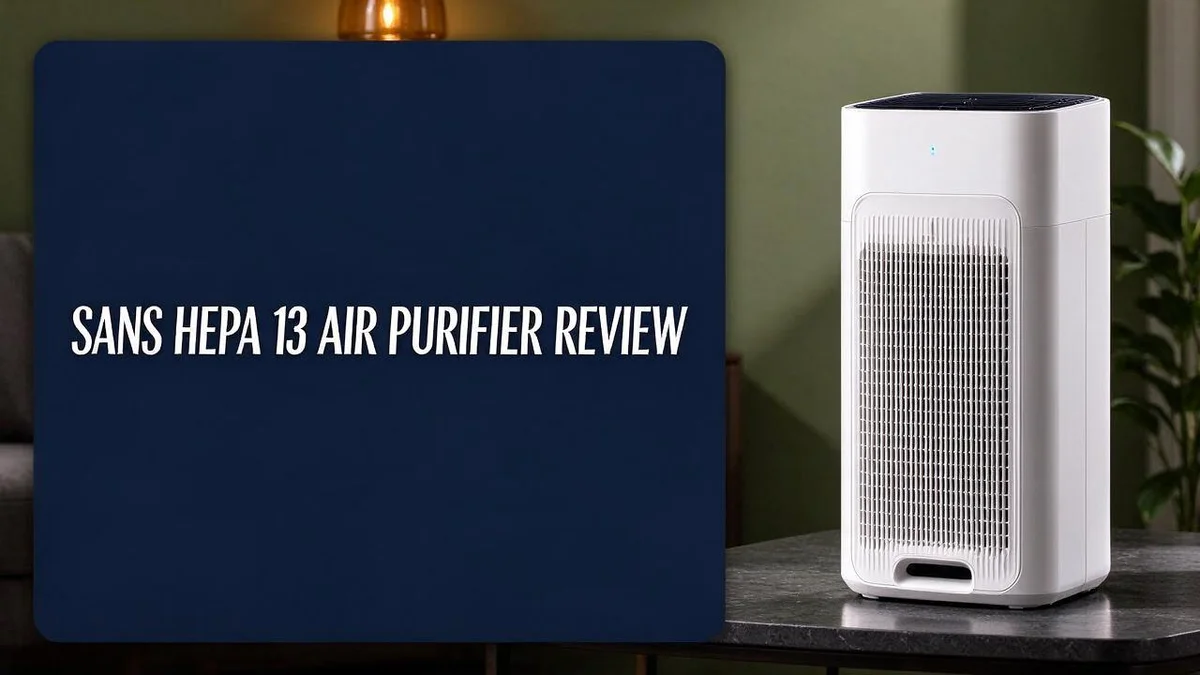
Dust settles on shelves every day. Pet hair drifts across the floor. Cooking smells hang around long after dinner ends. The Sans HEPA 13 Air Purifier aims to fix these problems. It combines three filtration types with UVC sanitization.
HEPA 13 filters catch tiny particles. Activated carbon tackles odors. UVC light helps sanitize the air. Many users say they notice less dust, pet hair, and cooking odors. Setup feels easy too, with one review giving it 4.6 out of 5.
Manufacturer figures list coverage up to 1,560 square feet, though some sources show much less. Its power draw stays low on lower settings, which supports energy savings.
In a Nutshell
- Easy setup: One review gives this purifier a 4.6 out of 5 for ease of setup. Most people can get it running fast.
- Efficient energy use: The unit draws low power on its lower settings. It can run for long hours without a big energy load.
- Layered cleaning: Three filter types work together with UV-C sanitization. Air passes through several stages before it returns to the room.
- Measure your room first: Sources list different coverage numbers. Check your room size against the specs so you know the unit fits your space.
- Strong competition: Alen and Austin Air offer true HEPA options. Dyson often appears in comparisons of top home purifiers, so you have several solid choices to weigh.
- No documented drawbacks: The research lists no recorded downsides. Still, reading independent tests helps you see how it performs in your own home.
Air Cleaning Performance

Last update on 2026-11-18 / Affiliate links / Images from Amazon Product Advertising API
Good air cleaning is about more than a spec sheet. Real results show up day after day. A purifier needs steady runtime to make a visible change in a room.
Place the unit in the room where you spend the most time. Air moves best when nothing blocks the vents.
Keep the unit a few feet from walls and furniture. This gives air room to flow in and out. Good airflow helps the filters pull particles from more of the room.
Closed doors help a lot. Shut the doors and windows while the purifier runs. Outside air keeps moving in, so the unit has to work harder.
Speed settings matter too. Start on a higher setting after a long day or a busy cooking session. Then drop to a lower setting once the air feels fresher.
Filter care keeps performance steady. Dirty filters slow airflow over time. Check the filters on a regular schedule and replace them when the manual says to.
Your own space tells the real story. Pay attention to how the air feels after a few days. Simple habits often make the biggest difference.
Expectations also shape the experience. A purifier cleans the air over time, so it will not clear a room in seconds. Patience helps with steady use.
Smoke and strong fumes need extra care. Ventilate the room when you paint or use strong cleaners. A purifier supports fresh air but does not replace open windows.
Think of the purifier as one tool. It works best alongside regular cleaning and fresh air. Together these habits create a cleaner home.
Keep the unit running in the room you use most. Consistency matters more than short bursts of power. Steady operation gives the best chance to see results.
Wiping surfaces and vacuuming floors also help. These steps remove loose particles before they settle. Both approaches work from different angles. A clean room makes the purifier’s job easier.
Clean air is a habit, not a single event.
Coverage and Room Size
Room size matters more than most people think. A purifier works best when its coverage matches the space it cleans. Start with a little simple math.
Multiply the length of the room by its width. This gives you the floor area in square feet. Write that number down before you set up the unit.
Ceiling height also changes the picture. A room with tall ceilings holds more air than a room with standard ceilings. Even a modest floor area can need extra airflow in that case.
The figure of 780 square feet per half hour describes how fast the unit cleans air in a set time. Clean air returns to the room in cycles. A larger room needs more cycles before you notice a real change.
Open floor plans need special thought. Kitchens, dining areas, and living rooms often flow into one another. Treat the connected space as one room when you measure it.
Choose a size closer to the lower number for heavy use. If the room sees pets, cooking, or daily foot traffic, give the unit extra room to work. That margin keeps the air fresher between cleanings.
Large homes may need more than one unit. Place one in the main living area and another in a bedroom. Each unit then handles its own zone without strain.
Doorways and layout shape the result. A purifier in a small bedroom can clear the air quickly. The same unit in a wide hallway may struggle to reach the far corners.
Check the room after a week of use. Notice whether dust still builds up on nearby surfaces. If it does, the space may be larger than the unit can comfortably handle, and a second unit or a more powerful setting may help.
Filter Stack and Maintenance
The Sans HEPA 13 uses three filter layers. Each layer handles a different job. Together they catch more than one type of particle or odor.
The HEPA 13 layer traps very fine particles. Dust, pollen, pet dander, and smoke particles get caught in its dense mesh.
The activated carbon layer handles smells. It absorbs cooking odors and some gases from the room air. Odors often linger after cooking, so this layer matters most in kitchens.
UVC sanitization adds a final step. The light targets some microbes that pass through the unit. It works alongside the filters, not in place of them.
Check the filters on a regular schedule. Look at them about once a month. Pet owners and frequent cooks may need to check more often.
Watch for warning signs of a worn filter. Airflow may feel weaker, stale odors may return, or dust may settle on the unit faster than usual. Filter life also depends on your home. Homes with smoke, cooking, or heavy pet traffic use up filters faster than quiet spaces.
Start with the outer mesh. Gently vacuum it with a soft brush attachment. Large hair and lint clog this area first.
Never wash the HEPA 13 filter with water. Moisture can damage the fine mesh and reduce its ability to trap particles. Tap out loose debris or vacuum it instead.
Power off and unplug the unit before you swap any layer. Wear gloves so you do not touch the dirty side of the filter.
Write the install date on each filter with a marker. This simple habit takes the guesswork out of replacement timing.
Store spare filters in a dry closet. Keep them sealed in their packaging until you need them.
Use only the correct replacement model. A poor fit leaves gaps where unfiltered air slips through.
Set a calendar reminder for every replacement. That way, the unit never runs with worn filters. Mark the date on your phone too.
Top 3 Alternatives
Levoit Core 300


Last update on 2026-11-19 / Affiliate links / Images from Amazon Product Advertising API
The Levoit Core 300 is a small and simple air purifier. It fits well in bedrooms and home offices. It uses a True HEPA filter to trap fine dust, pet hair, and pollen.
It runs very quietly on low settings. This helps you sleep or focus at work. The auto mode adjusts fan speed based on the air quality in the room. A filter indicator tells you when it is time to replace the filter.
Coway Airmega AP-1512HH

Last update on 2026-11-19 / Affiliate links / Images from Amazon Product Advertising API
The Coway Airmega AP-1512HH is built for larger rooms. It works well in living rooms and open-plan spaces. It combines a True HEPA filter with an activated carbon filter for a full clean.
The carbon layer helps reduce cooking odors and smoke. An air quality indicator light shows changes in the room. You can glance at it and know if the air needs more cleaning.
Blueair Blue Pure 211+

Last update on 2026-11-17 / Affiliate links / Images from Amazon Product Advertising API
The Blueair Blue Pure 211+ is light and easy to move from room to room. It suits medium-sized rooms and kids’ bedrooms. It uses a particle filter and activated carbon to clean the air.
A fabric pre-filter catches larger dust and hair. This layer can be washed, which helps extend the life of the main filter. Simple touch controls make daily use easy for the whole family.
Energy Use and Running Costs
The Sans HEPA 13 runs on 50 watts of power. That is a modest draw for a unit that handles larger spaces. Most people want to know what this means for daily power use, so let us do the math.
Here is a simple formula. Multiply the watts by the hours of use. Then divide by 1,000 to get kilowatt hours. This gives a clear number you can compare with your own usage.
Eight hours of daily use is a common pattern. At 50 watts, the unit uses 0.4 kilowatt hours each day. Over a 30 day month, that totals about 12 kilowatt hours.
Running it all day and night changes the picture. Around the clock use reaches 1.2 kilowatt hours each day. The total still stays low compared with many household appliances.
Lower fan settings trim the total even more. The research notes that the unit draws less power on lower settings. Use a low setting for overnight rest and a higher setting only when you need a quick boost.
Timers can also help. A simple smart plug lets you set on and off times. You can run the unit during the hours you spend at home and skip the empty ones.
Compare it with other home devices. A space heater can draw around 1,500 watts. Next to that, the purifier looks very light on power. Many households can run it without a big change in their daily routine.
Your own numbers matter most. Check your device label for the exact wattage. Then use the same formula to plan your daily total.
Seasonal changes can shift the pattern too. Many people run air cleaners more during allergy season or pollen peaks. Plan for those busy weeks with a clear estimate in mind.
Predictable numbers make planning simple. A fixed wattage makes the daily total easy to predict. You can set a clear routine and stick with it.
Small habits add up over a full year. Running the unit on a schedule and choosing lower settings can keep the total modest. Good habits give you clean air without guesswork.
Pros and Cons
Pros
- Users report less dust and pet hair in their homes.
- Many users notice fewer cooking odors after running it.
- One review rated the setup 4.6 out of 5.
- The unit draws less power on lower fan settings.
- The three filter layers and UVC light work together.
Cons
- The current research lists no documented drawbacks.
- Coverage figures differ between sources.
- Check the room size rating before you choose a model.
- Long term user feedback is limited in the research.
Who Should Buy It
The Sans HEPA 13 suits busy households well. It fits people who want a simple machine that runs with little effort. Easy setup helps first time buyers feel confident from day one.
Pet owners often search for a purifier that handles fur and shedding. This unit works well in a shared living room. Place it near the spot where your pet rests most.
Home cooks may find it helpful too. Frequent stovetop meals can leave smells lingering in open layouts. Position the unit close to the kitchen to catch odors near the source.
Renters and apartment dwellers make a strong match. Many people want one device for one main room. This model keeps that plan simple and easy to manage.
Households with frequent guests can also benefit. Shared spaces see more dust, shoes, and daily activity. A steady purifier helps common rooms feel fresher between cleanings.
Office workers who use a home office may like it too. A purifier near a desk can keep the work area fresh during long days. Keep it running during focused work sessions for the best effect.
Anyone with allergies should talk with a doctor first. An air purifier can support cleaner air at home, but it does not replace medical care. Speak with a professional before you rely on one device.
Shoppers who want a long track record may want to wait. Feedback collected over the years is limited in the research. Early buyers help build that record as more owner stories appear.
Compare it with other popular brands before you decide. Alen and Austin Air come up often as strong true HEPA choices. Dyson also appears in many at-home comparisons, so line up the options side by side.
Your room and habits should guide the final choice. List your top needs before you shop. Pick the model that matches your space, your pets, and your daily routine for the best results.
Final Verdict
The Sans HEPA 13 earns a strong spot on any shortlist. It pairs HEPA 13 filtration with activated carbon and UVC light. Together, these layers tackle airborne particles and everyday odors in one machine.
Daily results look promising for most households. Users often describe cleaner surfaces and a fresher room within a short time. That visible change is what most buyers look for.
Room size deserves special attention before you buy. Sources list two very different coverage numbers. Measure your room first, then choose the more cautious figure to stay on the safe side.
Think about where the unit will sit. Place it in the main living area or bedroom where you spend the most time. Keep it clear of walls and furniture so air can flow freely.
Compare the Sans HEPA 13 with other well known options. Alen and Austin Air also focus on true HEPA cleaning. Dyson often appears in roundups as a leading home purifier.
Side by side testing is the smartest move. Look at filter replacement schedules, noise levels, and warranty terms. These details often matter more than headline features.
Recent reviews matter more than older ones. Newer feedback shows how the unit performs after months of use. Pay close attention to comments about filter changes and durability.
The strongest case goes to homes that want one device for dust and odors. Busy households with cooking, guests, and shared spaces can benefit most from its all in one approach.
The research shows no documented drawbacks so far. Empty results do not equal perfection, though. Stay curious and read fresh feedback before making a final call.
Ultimately, your own needs decide the match. Write down the top two problems in your home. If the Sans HEPA 13 solves them, it earns its place.
Final verdict: a dependable choice with one caveat. The Sans HEPA 13 delivers strong filtration and useful daily benefits. Confirm the coverage number for your space, and it can serve you well.
Frequently Asked Questions
Can the Sans HEPA 13 help with allergies?
The HEPA 13 filter captures very fine particles like pollen and pet dander. Many allergy sufferers look for this type of filter first. The research does not include medical testing, so check with your doctor for allergy care.
Where should I place the purifier in my home?
Put it in the room where you spend the most time. Keep it away from walls and heavy furniture so air can flow freely. Avoid tight corners because they can block the air intake.
Will the Sans HEPA 13 run quietly at night?
The research does not list noise levels for this model. Start on a low fan setting and listen in your bedroom before you rely on it overnight. This simple test shows you how it sounds in your own space.
Does the UV-C light replace the filters?
No, the UV-C light does not replace the filters. It works as an extra step after the HEPA 13 and activated carbon layers. Replace the filters on schedule so the unit keeps working well.

I’m Maya Brown, the voice behind Pure Breeze Vault. I write detailed, honest, and easy-to-follow air purifier reviews to help readers compare features, understand filter technologies, and choose products with confidence. My goal is to make research simpler, clearer, and more practical for anyone improving indoor air quality at home.