PuroAir 400 HEPA Air Purifier Review: Filtration, Coverage and Verdict
Fresh air matters more than most people think. Dust, pollen, and smoke can build up indoors fast. A good air purifier can make a real difference. The PuroAir 400 HEPA Air Purifier is worth a closer look. The maker says it covers up to 2,000 square feet in about an hour.
Its three filter stages work together. They include a first screen, a HEPA filter, and activated carbon. The brand claims it filters up to 99.9% of pollutants. Some users also find it quiet on low fan speeds.
Still, a few details need checking. No official CADR rating is published, and the filtration claims vary. In this review, we cover the specs, pros, cons, and how it compares with the Winix 5500. Let’s see if it fits your home.
In a Nutshell
- Room coverage: The brand claims it cleans up to 2,000 square feet in about one hour. That is a large area for one unit, but keep in mind this is a manufacturer claim, not an independent test result.
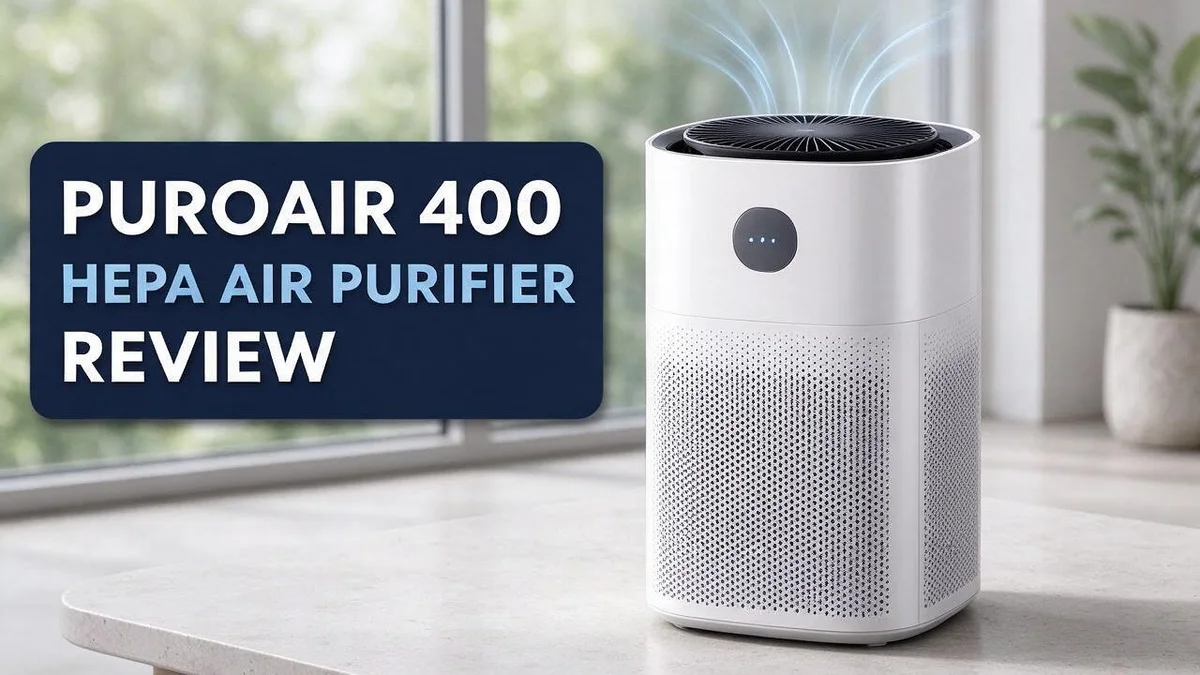
- Size and weight: It measures 14.4 by 8.1 by 21.5 inches and weighs 14.7 pounds. Its light frame makes it easy to move between rooms, though it still needs a clear spot on the floor.
- Power needs: It uses 80 watts on a standard 120 volt outlet. No special wiring is needed, so most homes can run it without trouble.
- Warranty confusion: Sources disagree on coverage. Most list a two year warranty, while one listing mentions lifetime coverage. Confirm the exact terms before you commit.
- Low speed comfort: The product listing describes it as quiet on lower fan settings. This makes low speeds a good fit for bedrooms and quiet work spaces.
- Mixed signals: The 99.9 and 99.99 percent filtration claims do not match. A Reddit discussion also questions whether Energy Star data supports the stated capacity. Finally, the 4.6 star rating from over 50,000 reviews belongs to the PuroAir 240, not the 400, so do not mix up the two models.
Filtration Stages and Claims

Last update on 2026-11-18 / Affiliate links / Images from Amazon Product Advertising API
Think of the filter stages as a team. Each layer catches a different size of particle or gas.
The first screen catches hair, lint, and large dust bits. This layer shields the HEPA filter, so the finer media lasts longer.
Cleaning that screen on a regular schedule keeps airflow strong.
HEPA is a standard, not a brand name.
A true HEPA filter traps at least 99.97 percent of particles measuring 0.3 microns.
That test size is the benchmark, so ask what size the 99.9 or 99.99 percent claims refer to.
The activated carbon layer targets odors and gases like cooking smells, pet odors, and paint fumes.
HEPA media alone cannot handle these, so this stage fills a real gap.
Carbon has limits, though. It holds only so much before it saturates.
Heavy use or strong fumes wear it out faster than the HEPA layer.
Replacement timing matters more than many owners expect.
Some units show a filter light, but that timer may not match real air conditions.
A visual check of the filter gives a clearer answer.
Moisture in humid rooms can also collect on filter media, which shortens its life.
Here is a simple way to test the claims.
Look for a CADR score from AHAM, which measures clean air delivery for smoke, dust, and pollen.
Without that number, compare the filter specs directly instead of trusting marketing lines alone.
Check these three points before you decide.
First, confirm the particle test size.
Second, ask how often each filter needs replacement.
Third, check whether replacement filters are easy to find in stores or online.
Pet owners and smokers often change filters sooner than the manual suggests.
Keep a calendar note so the unit keeps performing well.
Pair the filters with good habits for the best results.
Each stage matters, so none should be skipped.
Room Coverage and Capacity
Coverage numbers look impressive on a box, but your own room tells the real story. Start by measuring the length and width of the space. Then multiply those two numbers to get the square footage.
Ceiling height matters too. Taller rooms hold more air, so the unit has more work to do. Add extra room volume when your ceilings run high.
Open floor plans need special care. A kitchen that flows into a living area creates one large zone. Count the whole open space as one room when you check coverage.
Air changes per hour offers another way to think about capacity. This measure shows how many times a unit can refresh the full room in sixty minutes. Higher numbers mean cleaner air arrives faster.
Brands often describe results under ideal conditions. Tests may assume closed doors, empty rooms, and light dust. Your home probably has more going on than that.
Placement changes performance. Put the unit where air can move freely. Keep it away from walls, curtains, and heavy furniture so air reaches every corner.
Closed doors help a lot. A purifier in a bedroom works best when the door stays shut. Air that leaks into hallways spreads out and slows the cleaning process.
Think about who lives in the space. Households with pets, smokers, or allergy sufferers often need more capacity. Choose a unit that covers more area than the room alone.
Heavy pollution calls for extra power. Cooking smoke, wildfire haze, or renovation dust fill the air quickly. Run the purifier on higher settings for a while, then drop back down.
Multiple rooms need a plan. One unit cannot cover a whole house. Pick the room that gets the most daily use, such as a bedroom or family room, and start there.
Coverage claims give you a starting point. Your room size, ceiling height, and daily habits tell the full story. Measure first, then decide where the unit will do the most good.
Noise Levels by Fan Speed
Noise matters most when you actually run the purifier. Many people use it while they sleep, work, or relax. Sound level can shape how often you turn it on.
The listing says the PuroAir 400 stays quiet on lower fan settings. However, the available information does not include exact decibel readings for each speed. That gap means you should check the sound yourself.
Higher speeds move more air, so they usually produce more noise. This balance between power and sound is common across most air purifiers. Lower speeds feel calmer but clean the air more slowly. Many users find the middle settings a fair compromise.
Start with the lowest speed. Run the unit in your bedroom at night. Listen from your bed, then from the doorway. Notice whether the hum fades into the background.
Room materials change how sound feels. Hard floors and bare walls reflect noise. Carpets, curtains, and upholstered furniture soak up sound. A quiet test in a small room may not match a large open space.
Look for a sleep or night mode. Some purifiers offer a setting that dims lights and lowers the fan. Check the control panel and manual to see if this option exists.
A dirty filter can also affect sound. When airflow gets blocked, the fan may work harder and sound louder. Replacing or cleaning parts on time may help the unit run more calmly.
Match the speed to the moment. Use the lowest setting that still keeps the air clear. Switch to a higher speed during cooking, pollen spikes, or after guests leave. Then drop back down once the air improves.
Noise tolerance differs from person to person. Light sleepers often notice small changes in sound. Pet owners may also hear fan noise more during quiet afternoons.
Keep a short test log for a few days. Write down which speeds feel comfortable at different times. This simple record makes choosing a daily routine much easier. Compare those notes with the sound you hear at night.
Top 3 Alternatives
Levoit Core 300


Last update on 2026-11-19 / Affiliate links / Images from Amazon Product Advertising API
If you want a simple and quiet option, the Levoit Core 300 fits small rooms well. It uses a True HEPA filter that captures fine particles like dust, pollen, and pet dander. The auto mode adjusts fan speed based on the air quality in the room. Its compact size makes it easy to move between bedrooms, a nursery, or a home office. Many people also like its simple controls and quiet sleep mode.
Coway AP-1512HH

Last update on 2026-11-17 / Affiliate links / Images from Amazon Product Advertising API
The Coway AP-1512HH offers strong performance for medium-sized rooms. It uses three filter stages: a prefilter, a True HEPA filter, and an activated carbon filter. The air quality indicator shows when the air needs attention. Its Eco mode saves energy and keeps noise low during quiet hours. This model suits families who want steady, everyday protection.
Blueair Blue Pure 211+

Last update on 2026-11-17 / Affiliate links / Images from Amazon Product Advertising API
The Blueair Blue Pure 211+ suits people who want a lightweight unit with easy upkeep. Its washable prefilter catches larger particles, so the main filter can last longer. It works well in open living areas and helps reduce odors from cooking or smoke. Its clean fabric design blends into most homes without drawing attention.
Each option fits a different room size and daily routine. Compare room size, noise level, and upkeep before you choose.
Energy Use and Efficiency
The PuroAir 400 draws 80 watts from a standard 120V outlet. That number gives you a simple starting point for energy planning.
Watts measure how fast the unit uses power at any moment. Total energy use depends on how many hours it runs each day.
Run time matters more than most people expect. A purifier that stays on all day uses far more energy than one switched on only during cooking or smoke events.
Try a quick check on your own. Multiply 80 watts by your daily hours of use, then divide by 1,000. The result shows kilowatt hours per day.
The research raises a fair question about efficiency. A Reddit comparison asks whether Energy Star data supports the 400’s stated capacity.
That question matters because power and airflow go together. A unit that moves more air at the same wattage works harder per watt.
Without published airflow numbers, you cannot check that claim on your own. Ask the manufacturer for test data before you rely on the stated size.
Comparing the 400 with the Winix 5500 can help. Put wattage, run time, and published airflow figures side by side. Look at both brands the same way.
Fan speed also shapes energy use. Higher speeds usually pull more power, so a lower setting saves energy during quiet hours.
Pick a setting that balances clean air and power use. Run the unit higher when you cook or after a spill. Then drop back to a lower speed.
A smart plug or timer can cut idle hours. Set the unit to run during the times you spend at home. This keeps energy use predictable and simple.
Check the manual for an auto mode or sensor. Automatic modes adjust speed to air quality, which may reduce wasted power.
Keep your expectations realistic. Energy labels and listing claims are not the same thing. Verify the numbers before you trust them.
Filter Replacement and Upkeep
Your PuroAir 400 works best when its filters stay in good shape. The unit uses three stages, and each stage handles a different job.
The prescreen catches the big stuff first. Hair, lint, and pet fur collect here before they reach the inner layers.
The HEPA layer traps very fine particles. Dust, pollen, and smoke particles get stuck in its dense fibers.
The activated carbon stage handles odors and gases. Cooking smells and chemical fumes often reach this layer first.
Check each filter on a regular schedule. Look for visible dust, gray buildup, or a stale smell.
A clogged prescreen restricts airflow. Clean it often, even if the other filters look fine.
Never wash the HEPA filter with water. Water can damage the fibers and lower its ability to trap particles.
Always power off the unit before you open it. Remove the cover gently and slide out the old filter.
Write the install date on the filter frame with a marker. That simple habit helps you track usage over time.
Replace filters when they look worn or when the air no longer feels fresh. Read the manual for the official replacement schedule.
Replacing the carbon layer sooner matters when you cook often or live near busy roads. Heavy odors fill the carbon faster.
Buy replacement filters that match your model number. Using the wrong size lets air slip around the edges.
Keep a simple log with dates and filter types. Notes make future replacements easier to plan.
If odors return soon after a change, check that the carbon layer sits fully in place. A loose fit lets unfiltered air bypass the media.
Keep the outside of the unit dusted. A quick wipe with a dry cloth keeps the intake clear.
Store spare filters in a sealed bag. Dry storage keeps them fresh until you need them. Rough handling can also tear the HEPA media, so move each filter with care.
Pros and Cons
Pros
- The manufacturer says it catches smoke, pollen, dust, and VOCs in one unit.
- The lightweight build makes it easy to move between rooms.
- The slim footprint fits tight spaces beside a bed or desk.
- It works well for daily use in a bedroom or home office.
Cons
- The brand does not publish a clean air delivery rate for buyers to check.
- Listings disagree on filtration, with 99.9% in some and 99.99% in others.
- Warranty details conflict, and some listings mention lifetime coverage.
- Most performance claims rely on the maker’s own data.
Who Should Buy It
This purifier suits people who want cleaner air in one main room. It fits best in a bedroom, nursery, or home office. Smaller spaces let it do its job more easily.
Light sleepers may appreciate its quiet operation. The research notes that it runs quietly on lower fan speeds. That makes overnight use more pleasant for many households.
Pet owners often notice dander and fur in the air. This unit aims to capture these particles, which can make daily life more comfortable.
Allergy sufferers should set clear expectations. The maker says the unit captures pollen and dust. Still, these claims come from the brand, so track how you feel over time.
Smokers and cooking households may find it useful. The listing claims it handles smoke, which many households want to test first. Real results depend on room size, ventilation, and how often the unit runs.
Apartment dwellers with small living areas often fit this profile best. Compact spaces help a unit reach clean air faster. Street dust and outdoor smells can also drift inside.
First time buyers may like a simple starting point. Plug it in, choose a fan speed, and let it work.
Large homes need a different plan. The coverage claim comes only from the maker. A bigger home may need more than one unit, or a model built for wider spaces.
Buyers who want proof should wait for more data. Independent test results would help a lot. Until then, treat the claims as a starting point rather than a guarantee.
Shoppers who like clear numbers may hesitate. Many buyers want firm test results before they commit, and that is fair. Read recent reviews from owners who share their own experience.
If you want quiet, simple filtration for one room, this model deserves a look. Keep your expectations grounded and confirm the warranty terms with the seller before you buy.
Final Verdict
The PuroAir 400 makes a fair choice for one main room. It works best when your needs are clear.
Our final take is simple. The unit offers a compact build and a three stage filter. However, the open questions matter.
The brand does not publish a clean air delivery rate. You cannot compare airflow numbers easily.
Do not trust the star rating blindly. The 4.6 star score from more than 50,000 reviews belongs to the PuroAir 240. Check the model number before you read the reviews.
Read the warranty in writing. Listings disagree, and one mentions lifetime coverage. Save your receipt and read the terms on the official site.
Compare it with the Winix 5500. That model is the only direct rival named in the research. Put both specs side by side.
Look at room size and noise levels on low speed. Check how easily replacement filters arrive.
Test it in your own space. Run it on low for a few days. Notice whether the air feels fresher and whether the sound bothers you at night.
Think about your habits too. A household with heavy cooking or many pets may need more power. A small bedroom or office often gives the best result.
Filter upkeep also shapes long term satisfaction. Plan for regular filter checks and keep spares on hand.
Finally, remember that most claims come from the maker. Independent tests remain limited. Treat the 99.9 percent figure as a marketing number until you see proof.
Clear expectations lead to happier owners. Pick this purifier for a single room, not a whole floor. Match your goal to its strengths.
Bottom line: the PuroAir 400 suits small spaces and quiet daily use. Verify the claims, confirm the warranty, and compare alternatives before you decide.
Frequently Asked Questions
Can it clean a large open room?
The listing claims coverage up to 2,000 sq ft in an hour. That figure comes from the maker, so measure your space first. Bigger rooms may need more time to clear the air fully. Keep the door closed to hold the cleaner air inside.
Does it reduce VOCs in the air?
The listing says it captures VOCs along with dust and smoke. The research does not include independent test data, so treat this as a claim. Look for clear test results before you count on this benefit.
Will it use a lot of electricity?
The unit draws 80 watts on a standard 120 volt outlet. Running it for long hours uses modest power, so you can leave it on in your main room. Check your own usage habits to see what fits your daily routine.
Can I trust the Energy Star comparison?
Some Reddit users question whether Energy Star data supports the stated capacity. Ask the brand for its test method and the room size it used. Clear answers help you judge the capacity claim for yourself.
How can I tell if it works?
Watch for less dust on your furniture after a week. If you own an air quality monitor, compare readings with the purifier on and off. Note the time of day too, since dust levels change often.

I’m Maya Brown, the voice behind Pure Breeze Vault. I write detailed, honest, and easy-to-follow air purifier reviews to help readers compare features, understand filter technologies, and choose products with confidence. My goal is to make research simpler, clearer, and more practical for anyone improving indoor air quality at home.