Why Is My Air Purifier Showing An E1 Error Code?
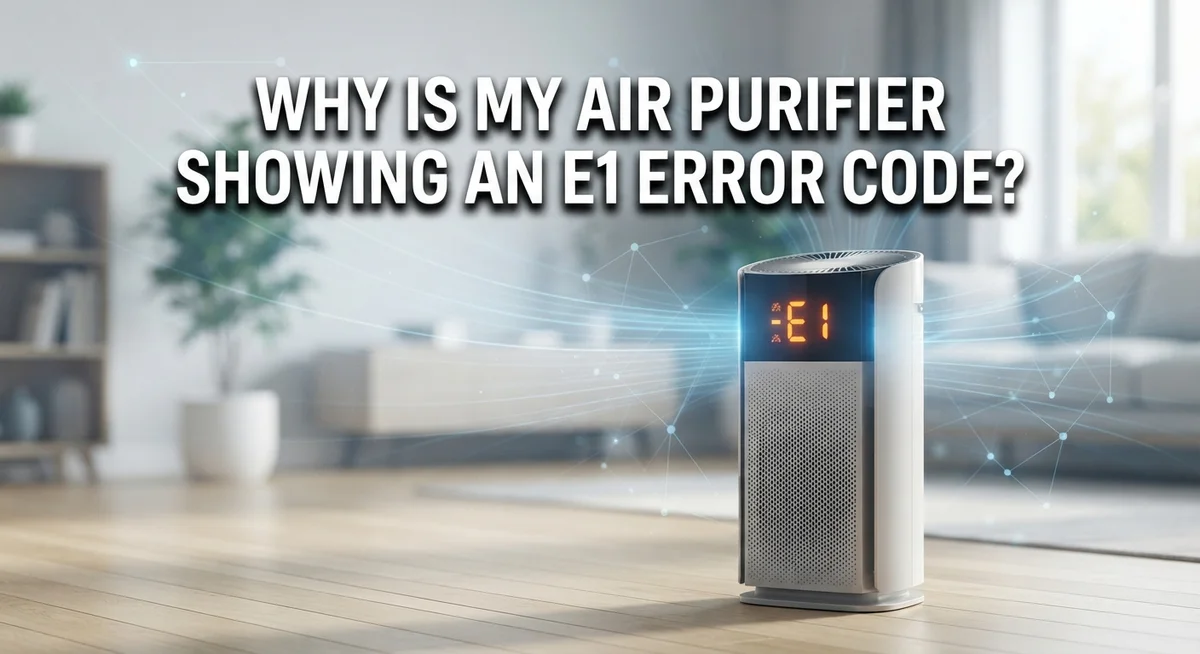
Your air purifier suddenly stops and flashes an E1 error code. You feel confused and maybe a little worried.
This error code is your device’s way of asking for help. It signals a problem that needs your attention right away.
The good news? You are not alone in this. Many air purifier owners see this same code at some point.
E1 usually points to a system malfunction. This could involve a sensor issue, a fan problem, or a circuit board fault.
The exact cause depends on your specific model. Different brands and types use E1 to mean slightly different things.
In a Nutshell
- Stop using the unit right away. The E1 code means something inside needs a check before you turn it back on.
- The cause varies by model. It could be a sensor glitch, a blocked fan, or a faulty circuit board.
- Always write down the exact error code and your unit’s model number first. This helps support staff give you the right answer fast.
- Do a quick visual check for dust, hair, or debris blocking the fan or vents. Clear any blockage you find safely.
- Unplug the unit for a few minutes before trying again. This simple reset sometimes clears minor glitches.
- Avoid forcing a restart over and over. This can push a small issue into a bigger repair problem.
- If the code stays after a reset, it’s time to call the manufacturer. Most E1 issues need a trained technician to fix properly.
- Remember, E1 is your air purifier’s way of asking for a pause, not a sign to push through and keep running it.
What Does the E1 Error Code Mean?
The E1 error code on your air purifier signals a system malfunction that requires attention. This code tells you something inside the unit has stopped working correctly and needs a diagnosis before you use it again.
What E1 actually means depends on your specific model. Different air purifier brands use E1 to indicate different problems. On some units, E1 points to a sensor failure. On others, it means the fan has an issue or the circuit board detected a fault.
Common causes include a blocked fan blade, a stuck check valve, or an airlock in the system. Sometimes a thermal sensor circuit fails, or the indoor and outdoor components lose communication with each other. Dust and debris buildup can also trigger this error.
The key point is this: do not keep running your air purifier when E1 appears. Operating the unit despite the error can make the problem worse and potentially damage internal parts.
Your first step should be recording both the error code and your model number. Check visually for any obvious blockages around the fan or air vents. Remove any dust or hair you can see safely.
Next, unplug the unit completely and wait a few minutes. This simple reset sometimes clears temporary glitches. Plug it back in and see if the code disappears.
If E1 returns after this reset, the problem is likely deeper inside the machine. At this point, contact the manufacturer’s customer service team. They can properly diagnose what went wrong and advise whether repair or replacement makes sense for your situation.
Common Causes of the E1 Error
The E1 error code points to several possible issues inside your air purifier. Understanding these causes helps you decide whether a simple fix works or if you need professional help.
Fan blade obstruction is one of the most common triggers. Dust, pet hair, or debris can jam the fan blades. This blocks airflow and causes the sensor to detect a problem. Check around the fan area for visible blockages before doing anything else.
A stuck check valve also frequently causes E1 errors. This valve prevents air from flowing backward through your unit. When it gets stuck, the system cannot operate normally. The sensor detects the malfunction and displays the error code.
Airlock issues happen when air becomes trapped inside the system. This disrupts normal airflow patterns. Your unit’s sensors pick up on this disruption right away.
Sensor circuit failures represent another common cause. The thermal sensor or airflow sensor may stop working properly. When a sensor fails, your air purifier cannot read system conditions accurately. This triggers the E1 code as a safety measure.
Circuit board faults can also generate this error. The PCB (printed circuit board) controls all unit functions. If it develops a problem, communication between components breaks down. Your unit displays E1 to alert you to this internal issue.
Communication errors between different unit parts sometimes occur too. If your air purifier has multiple components, they need to talk to each other. When that connection fails, the system triggers an error code.
The exact cause depends on your specific model and how the unit operates. Record your model number and contact the manufacturer for accurate diagnosis. Do not continue running your air purifier while the error displays.
Immediate Steps to Take When E1 Appears
When the E1 error appears on your air purifier display, take action immediately. Your unit is telling you something needs attention before it can run safely.
Start by powering down the unit completely. Locate the power button and switch it off. Then unplug the power cable from the wall outlet. This step is crucial because it stops any ongoing operation that might cause further damage.
Next, disconnect any hoses or attachments connected to your air purifier. Some models have intake hoses or ducting that need separation. Removing these gives you better access to check internal components.
Wait for approximately five to ten minutes while the unit sits unplugged. This cooling period allows the system to reset. It also gives any electrical charge time to discharge safely.
Check for visible obstructions carefully. Look at the fan blades, vents, and intake areas. Search for dust buildup, pet hair, or debris blocking airflow. Use a flashlight if needed to see inside dark spaces. Remove any blockages you find using your fingers or a soft brush.
After clearing obstructions, plug the unit back in and power it on. Watch to see if the E1 code reappears. Sometimes simple blockages cause the error, and clearing them solves the problem.
If the error code returns after this reset, do not attempt further troubleshooting yourself. Continuing to operate the unit with the error active could damage internal components. Contact your manufacturer’s customer service line instead. Have your model number and serial number ready when you call. They can guide you toward professional repair or replacement options.
How to Check for Airflow Obstructions and Sensor Issues
Start by examining your air purifier’s intake and exhaust vents. Look for dust, pet hair, or debris blocking these openings. Even small blockages reduce airflow significantly.
Next, inspect the fan blades carefully. Power down and unplug the unit first. Remove the filter cover or access panel according to your manual. Spin the fan blade gently by hand. It should rotate freely without resistance. If it feels stuck or blocked, remove any visible obstructions.
Check the filter itself. A clogged filter restricts airflow and triggers sensor errors. Hold the filter up to light. Can you see through it clearly? If it appears dark or heavily soiled, this may cause your E1 code.
Look for airlocks in the system. These occur when air becomes trapped inside tubes or chambers. Disconnect hoses and gently shake them to release trapped air. Reconnect everything firmly.
Examine the check valve if your model has one. This one way valve prevents backflow. A stuck check valve stops normal airflow. Listen for clicking sounds when you tap it gently. A stuck valve may need professional service.
Locate the airflow sensor on your unit. This sensor detects proper air movement. Dust accumulation on the sensor causes false error readings. Use a soft, dry cloth to gently clean around the sensor area. Never use water or cleaning solutions.
After checking these components, plug in your air purifier and power it on. If the E1 error disappears, you solved the problem. If it returns, the issue involves internal components requiring professional repair.
When to Contact Manufacturer Support
The E1 error code signals that your air purifier needs professional attention. Do not attempt complex repairs on your own. Most E1 errors stem from internal component failures that require specialized tools and expertise.
You should contact the manufacturer when the error persists after your initial troubleshooting. Have your model number and purchase date ready before calling. This information helps the support team diagnose your specific issue faster.
Explain what you’ve already done. Tell them you unplugged the unit, waited several minutes, and checked for visible obstructions. Share whether the error code returned immediately or appeared after normal operation. This context helps technicians narrow down the problem.
Ask the support team if your unit qualifies for warranty coverage. Many manufacturers offer free repairs or replacements within the first year. Some extended warranties may also apply depending on when you purchased the air purifier.
Request clear instructions on the next steps. The manufacturer may ask you to ship the unit for inspection. They might also provide a prepaid shipping label. Some companies offer expedited service for defective units.
Document all your communications with the manufacturer. Keep records of call dates, support ticket numbers, and any promised timelines. This protects you if issues arise during the repair process.
If your air purifier is out of warranty, ask about repair costs before proceeding. Some manufacturers offer flat rate repairs for common E1 issues. Others charge based on the specific component that failed.
Never operate your air purifier while the E1 error displays. Running the unit could cause further damage to internal parts. Waiting for professional service prevents additional expenses and safety risks.
Mistakes to Avoid When Handling an E1 Error
Operating your air purifier while the E1 error displays is the biggest mistake you can make. The error means something inside the unit has failed. Continuing to run it can cause more damage to internal components.
Never force a restart without understanding what triggered the error. Many people unplug the unit, wait a few seconds, and plug it back in repeatedly. This approach wastes time and won’t fix the underlying problem. The error will simply return.
Avoid assuming all E1 codes mean the same thing across different models. Your specific air purifier model determines what E1 actually indicates. What causes E1 in one brand might differ completely from another. Always check your user manual first to understand your particular model’s error system.
Do not attempt to disassemble your air purifier yourself to find the problem. Opening the unit can void your warranty and create safety hazards. Internal components like circuit boards and sensors require professional handling. You might accidentally damage parts that are actually working fine.
Skipping the basic checks is another common error. Many people jump straight to calling support without looking for obvious obstructions. Dust, debris, or a stuck check valve might be blocking airflow. Spend five minutes inspecting vents and filters before contacting anyone.
Do not ignore the error hoping it disappears on its own. E1 codes indicate real malfunctions that worsen over time. Ignoring the problem can lead to complete unit failure and more expensive repairs later.
Finally, avoid losing important information about your troubleshooting steps. Write down exactly what you tried and when the error started. This information helps manufacturer support diagnose your issue faster and more accurately.
Troubleshooting Tips Before Calling for Service
Before you call for professional service, you can try a few simple steps to help identify what’s causing the E1 error. These actions take only a few minutes and may resolve the issue without needing a technician visit.
Start by recording important information. Write down your air purifier’s model number and serial number. Note exactly when the error appeared and what you were doing when it happened. This information helps the manufacturer support team assist you faster.
Next, perform a complete power reset. Unplug your air purifier from the electrical outlet. Wait for at least five minutes before plugging it back in. This pause allows the system’s internal circuits to fully discharge. Power the unit on again and check if the error code disappears.
While the unit is unplugged, inspect all visible components carefully. Look at the intake vents, exhaust ports, and around the fan blades. Remove any dust, pet hair, pet dander, or debris you find. Even small blockages can trigger sensor errors. Check your filter to see if it’s clogged or dirty. A saturated filter restricts airflow and may cause the E1 code.
Pay attention to unusual sounds or smells. If you hear grinding noises or notice burning odors, stop immediately. These signs suggest internal component damage that requires professional repair.
After completing these checks, plug in your unit and turn it on. If the E1 error returns, stop using the air purifier right away. Do not attempt to restart it repeatedly or continue operating it. Continuing to run the unit with this error can cause more damage. At this point, contacting the manufacturer is your best option for getting your air purifier working safely again.
Preventing Future Error Codes
Preventing future E1 error codes starts with regular maintenance habits. Clean your air purifier filters every month according to the manufacturer’s guidelines. Dirty filters force your unit to work harder and can trigger sensor errors.
Check your intake vents weekly for dust, pet hair, or debris. These blockages reduce airflow and stress your system’s sensors. A quick visual inspection takes just seconds but saves you from costly repairs.
Keep your air purifier in a proper location. Place it away from walls, furniture, and other appliances. Your unit needs at least 12 inches of clearance on all sides for proper air circulation. Cramped spaces force your fan to struggle.
Avoid operating your air purifier in extremely humid or wet environments. Moisture can damage internal circuits and trigger error codes. Keep the unit away from kitchens during heavy cooking and away from bathrooms during showers.
Power surges damage your air purifier’s circuit board. Use a surge protector to shield your unit from electrical spikes. This simple step prevents many sensor and communication errors.
Replace filters before they reach maximum capacity. Don’t wait until your unit stops working. Following the recommended replacement schedule keeps your sensors functioning correctly.
Store your air purifier properly during off seasons. Unplug it, let it dry completely, and keep it in a clean, dry location. Dust accumulation during storage can cause problems when you turn it back on.
Read your user manual thoroughly and follow all maintenance instructions. Different models have specific care requirements. Understanding your particular unit prevents most E1 errors from occurring in the first place.
Final Thoughts
An E1 error code means your air purifier needs attention. It signals a real problem inside the unit. Ignoring it will not make the issue go away.
Different appliances use E1 differently. Your air purifier’s E1 code may not match what you see on an HVAC system or air fryer. Always check your specific model’s manual for accurate information.
The good news is that many E1 errors have simple causes. Blocked vents, dirty filters, or loose connections often trigger this code. Basic troubleshooting steps can solve the problem quickly.
Sometimes the cause runs deeper. A faulty circuit board or sensor malfunction needs professional repair. Trying to fix these issues yourself can cause more damage.
Trust your instincts when something feels wrong. If you smell burning or hear strange noises, stop using the unit right away. Your safety matters more than continuing to run the appliance.
Keep your model number and error details handy. This information helps customer service assist you faster. It also saves time during any repair visit.
Regular maintenance prevents most E1 errors from happening. Clean filters and clear vents keep your unit running smoothly. A little care goes a long way toward avoiding future problems.
Don’t panic when you see this error code. Most air purifier issues have straightforward solutions. Take methodical steps to identify and address the problem.
Your air purifier plays a big role in your home’s air quality. Treating error codes seriously helps protect that investment. It also keeps your indoor air clean and healthy.
When in doubt, reach out to the manufacturer. They understand their products best. Getting expert help ensures your air purifier works safely and effectively for years to come.
Frequently Asked Questions
What does E1 error code actually mean?
E1 indicates a system malfunction that requires attention. The exact problem depends on your device type. Air purifiers, air fryers, and HVAC systems all use E1 differently. For air purifiers specifically, E1 usually points to a fan blade obstruction, sensor malfunction, or circuit board fault. You should stop using your unit immediately when this code appears.
Can I fix the E1 error myself?
Most E1 errors require professional service. However, you can perform basic checks first. Start by recording your model number and serial number. Then unplug the unit and inspect intake vents for dust or debris. Look for airflow blockages around the fan area. If you find nothing obvious, contact the manufacturer. Attempting forced restarts without proper diagnosis can cause more damage.
Why did my air purifier suddenly show E1?
Several things trigger this error. Fan blades may be stuck or obstructed by dust and pet hair. Internal sensors can fail over time. A power surge might damage the circuit board. Moisture exposure damages electrical components. Sometimes the issue develops gradually, and sometimes it appears suddenly. The error code itself doesn’t tell you the exact cause, which is why professional diagnosis helps.
Should I keep using my air purifier with E1 showing?
No. Discontinue operation immediately. Running your unit with an active error code can worsen the problem. The E1 error means something inside isn’t working properly. Continuing use risks more damage to internal parts. Unplug your air purifier and wait for professional guidance.

I’m Maya Brown, the voice behind Pure Breeze Vault. I write detailed, honest, and easy-to-follow air purifier reviews to help readers compare features, understand filter technologies, and choose products with confidence. My goal is to make research simpler, clearer, and more practical for anyone improving indoor air quality at home.