Does an Air Purifier Help With Dust Allergies? Complete Guide
If you wake up sneezing, rubbing itchy eyes, or dealing with a stuffy nose every morning, dust allergies might be the cause.
Millions of people around the world suffer from reactions to dust mites, pet dander, and other tiny particles floating through indoor air. You have probably wondered whether an air purifier can actually fix this problem.
The short answer is yes, an air purifier with the right filter can reduce airborne dust allergens significantly. But it is not a magic solution on its own. Research published in allergy journals shows that HEPA filters can reduce allergen concentrations by 65% to 90% in indoor spaces.
In a Nutshell
- Air purifiers with True HEPA filters capture 99.97% of particles as small as 0.3 microns, which includes dust mite allergens, pollen, and pet dander. This makes them one of the most effective tools for reducing airborne dust allergy triggers in your home.
- An air purifier alone will not eliminate dust allergies completely. Dust mites live in bedding, carpets, and upholstery. A purifier only catches allergens that become airborne. You still need to wash bedding weekly, vacuum with a HEPA vacuum, and control indoor humidity.
- Placement matters more than most people realize. Position your air purifier 3 to 6 feet from your bed in the bedroom, and keep it away from walls and corners. Correct placement can double the effectiveness of the unit compared to poor positioning.
- Not all air purifiers work the same way. Ionizers and ozone generators may cause additional respiratory irritation. Stick with mechanical HEPA filtration for dust allergies. Avoid units that do not specify “True HEPA” on the label.
- Regular filter replacement is essential. A dirty or clogged HEPA filter stops working properly and can even push trapped allergens back into the air. Follow the manufacturer’s recommended replacement schedule, which is usually every 6 to 12 months.
- Combining an air purifier with other allergy reduction strategies delivers the best results. Studies show that air filtration paired with allergen proof bedding covers, regular cleaning, and humidity control provides significantly more symptom relief than any single method alone.
What Are Dust Allergies and Why Do They Happen
Dust allergies occur when your immune system overreacts to proteins found in household dust. The main culprit is the dust mite, a microscopic creature that feeds on dead skin cells. Dust mites produce waste particles that become airborne and trigger allergic reactions.
According to the American College of Allergy, Asthma and Immunology, dust allergies cause symptoms like sneezing, runny nose, nasal congestion, itchy or watery eyes, and coughing. For people with asthma, these allergens can also trigger breathing difficulties and chest tightness.
Dust mites thrive in warm, humid environments. They live in bedding, carpets, upholstered furniture, and stuffed toys. Every home has dust mites, but the concentration varies based on cleaning habits, humidity levels, and the amount of soft furnishing in your space. Understanding what causes the reaction helps you target the right solutions.
How an Air Purifier Works Against Dust Allergens
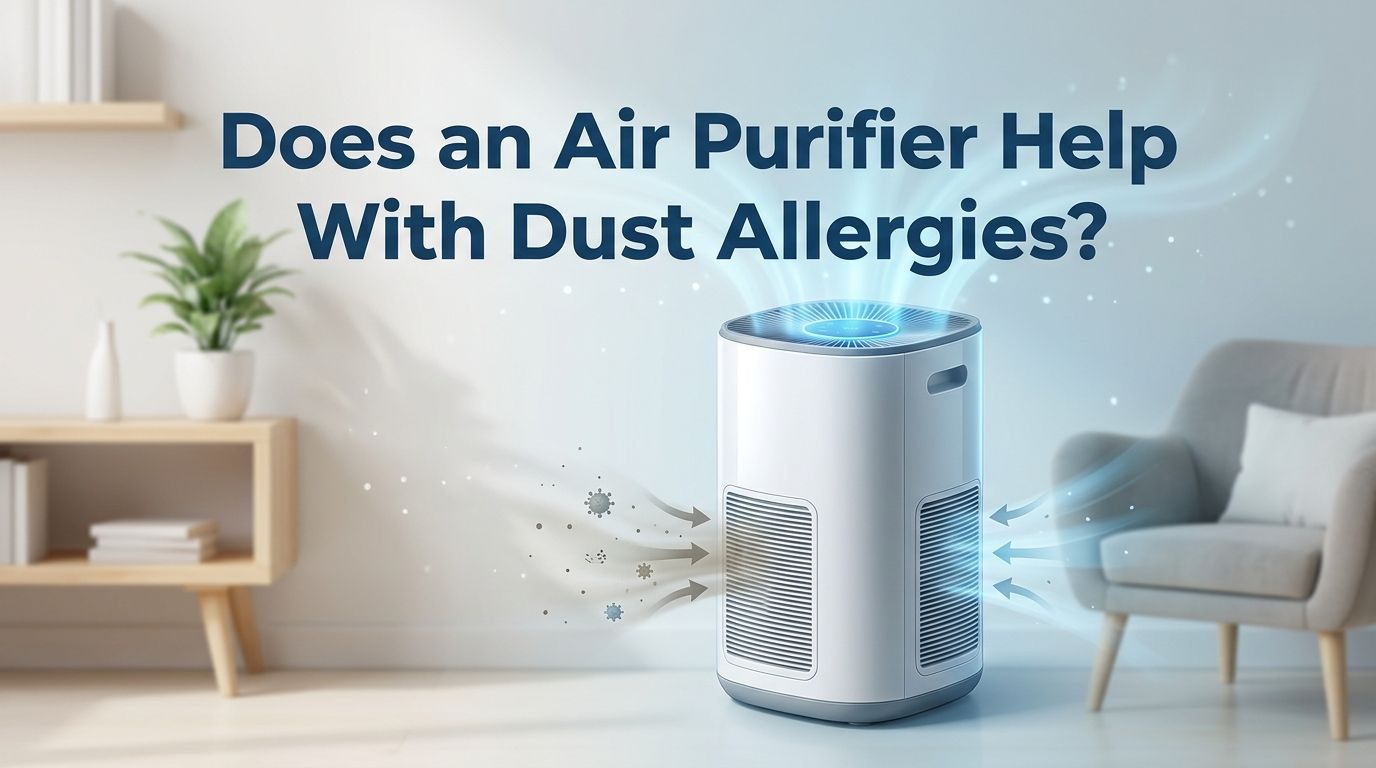
An air purifier pulls indoor air through a series of filters. The filters trap particles of different sizes before pushing clean air back into the room. For dust allergies, the most important filter is the HEPA (High Efficiency Particulate Air) filter.
A True HEPA filter captures particles as small as 0.3 microns with 99.97% efficiency. Dust mite allergens typically range from 1 to 40 microns in size. This means a HEPA filter can easily catch these allergens when they become airborne.
The purifier works in a continuous cycle. As air circulates through the room, the unit pulls in contaminated air and releases filtered air. Over time, this cycle reduces the overall concentration of allergens in your indoor environment. A study in the journal Allergy confirmed that air filtration effectively removes dust mite allergens from indoor air.
Pros: Removes airborne allergens continuously, operates quietly in most models, requires no chemicals or medications.
Cons: Only catches particles that are airborne, cannot remove dust mites from surfaces, needs ongoing filter replacement.
Which Filter Type Works Best for Dust Allergies
Not all air purifier filters perform equally. Choosing the right filter type makes a huge difference in allergy relief.
True HEPA filters are the gold standard. They meet a strict efficiency rating and capture 99.97% of particles at 0.3 microns. Look for the “True HEPA” or “H13 HEPA” label. Some manufacturers use terms like “HEPA style” or “HEPA type,” which do not meet the same standard and may only capture larger particles.
Activated carbon filters are good at removing odors and volatile organic compounds but do not trap dust allergens effectively. Many purifiers combine a HEPA filter with a carbon filter, which provides broader air quality improvement.
Ionizers release charged ions that attach to airborne particles and cause them to settle on surfaces. While this removes particles from the air, it does not capture them permanently. Some ionizers also produce ozone, which can irritate the lungs and make allergy symptoms worse.
Pros of HEPA: Proven allergen removal, no harmful byproducts, backed by medical research.
Cons of HEPA: Filters need regular replacement, higher quality units may cost more, restricted to airborne particles only.
Where to Place Your Air Purifier for Maximum Dust Relief
Placement directly affects how well your air purifier reduces dust allergens. A poorly placed unit can lose up to half its effectiveness compared to an optimally positioned one.
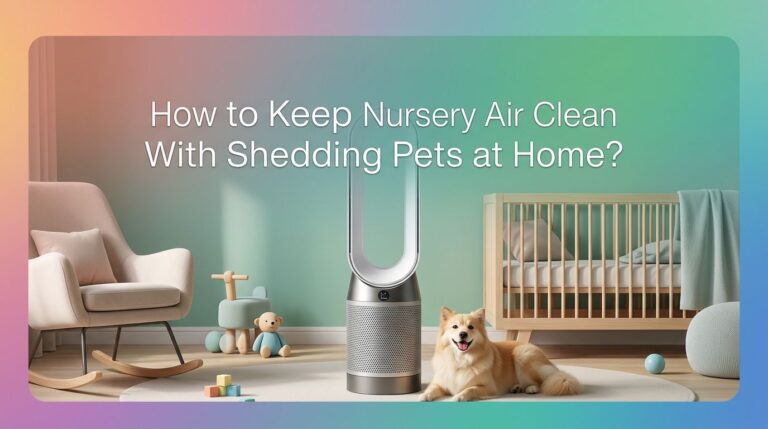
In the bedroom, place the purifier on a nightstand or dresser 3 to 6 feet from the head of your bed. This ensures the cleanest air flows through your breathing zone while you sleep. Since you spend roughly eight hours in bed each night, the bedroom is the most important room for allergy sufferers.
Keep the purifier at least a foot away from walls and furniture. Blocking the intake or output vents reduces airflow and filtration efficiency. Position the intake side toward the main source of allergens, such as the bed or a window.
In living rooms, place the unit in the area where you spend the most time. Avoid tucking it behind furniture or in a corner. Elevated placement on a table or shelf can also improve performance because allergens often circulate at mid room height.
The Limitations of Air Purifiers for Dust Allergies
Air purifiers are helpful, but they have real limitations that you should understand. They only capture allergens that are floating in the air. Dust mites and their waste products mostly settle on surfaces like mattresses, pillows, carpets, and curtains.
When you walk across a room, sit on a couch, or roll over in bed, you stir up settled allergens into the air. The purifier can catch some of these, but many settle back down before reaching the filter. This is why an air purifier works best as part of a broader strategy.
Air purifiers also have a limited coverage area. A unit designed for a 200 square foot room will not effectively clean a 500 square foot space. Always match the purifier’s rated coverage area to the room size. Running an undersized unit provides a false sense of protection while allergens remain at high levels.
Pros: Still reduces overall airborne allergen load, provides continuous filtration.
Cons: Cannot clean surfaces, limited room coverage, does not kill or remove dust mites from their habitat.
How to Reduce Dust Mites in Bedding and Furniture
Your bed is the biggest dust mite hotspot in your home. Studies show that a typical mattress can contain tens of thousands of dust mites. Tackling bedding is one of the most impactful steps you can take alongside using an air purifier.
Wash all bedding weekly in hot water at 130°F (54°C) or higher. This temperature kills dust mites and removes their allergenic waste. Use allergen proof covers on your mattress, pillows, and box spring. These tightly woven covers create a barrier that prevents dust mite allergens from reaching you while you sleep.
Replace pillows every one to two years. Old pillows accumulate a significant amount of dust mite waste over time. Choose synthetic filled pillows over down or feather options, as they are easier to wash and less likely to harbor mites.
For upholstered furniture, vacuum regularly with a HEPA equipped vacuum cleaner. Consider steam cleaning fabric sofas and chairs every few months, as the heat kills dust mites on contact.
The Role of Humidity Control in Fighting Dust Allergies
Dust mites need moisture to survive. They absorb water from the air through their bodies and cannot live in environments with humidity below 50%. Controlling indoor humidity is one of the most effective ways to limit dust mite populations.
Use a dehumidifier in damp areas of your home, especially basements and bedrooms. Aim for indoor humidity levels between 30% and 50%. A simple hygrometer, available at most hardware stores, lets you monitor humidity throughout the day.
Avoid using humidifiers in bedrooms if you have dust allergies. While dry air can irritate nasal passages, increasing humidity above 50% creates a perfect breeding ground for dust mites and mold. If you need moisture for comfort, keep the humidifier setting conservative and monitor levels closely.
Pros of humidity control: Directly reduces dust mite populations, inexpensive to maintain, benefits overall air quality.
Cons of humidity control: Dehumidifiers use electricity and need maintenance, extremely low humidity can cause dry skin and nasal irritation.
Cleaning Strategies That Complement Your Air Purifier
Regular cleaning reduces the amount of dust and allergens that become airborne in the first place. This makes your air purifier’s job easier and improves your overall results.
Vacuum all floors and carpets at least twice a week using a vacuum cleaner with a HEPA filter. A standard vacuum can actually make things worse by blowing fine allergen particles back into the air through its exhaust. HEPA vacuums trap these particles inside.
Dust hard surfaces with a damp cloth or microfiber cloth instead of a dry duster. Dry dusting simply moves allergens from one surface into the air. A damp cloth captures and holds the dust so you can rinse it away.
Reduce clutter in your home, especially in bedrooms. Stuffed animals, books, decorative pillows, and knickknacks all collect dust. Store items you want to keep in sealed plastic bins. Remove heavy drapes and replace them with washable curtains or roller shades.
Should You Run Your Air Purifier All Day
Many people wonder whether they need to run their air purifier 24 hours a day. For dust allergy sufferers, the answer is yes, running the unit continuously produces the best results.
Dust particles constantly enter the air through normal activities like walking, opening doors, and moving fabric items. If you turn the purifier off, allergen levels start climbing within minutes. Running the unit on a low or medium setting throughout the day keeps the air consistently clean.
Most modern air purifiers use surprisingly little electricity on lower fan speeds. Running a typical unit on low costs only a few dollars per month. The energy cost is far less than the medical costs of untreated allergy symptoms, including medications, doctor visits, and lost productivity.
At night, you can increase the fan speed slightly before bed and then switch to a quieter sleep mode. Many units have auto modes that adjust fan speed based on real time air quality readings.
Other Allergy Treatments That Work With Air Purifiers
An air purifier reduces airborne allergens, but combining it with medical treatments can provide even greater relief. Talk to your doctor about options that address symptoms directly.
Antihistamines block the chemicals your body releases during an allergic reaction. They reduce sneezing, itching, and runny nose. Over the counter options like cetirizine and loratadine work well for many people.
Nasal corticosteroid sprays reduce inflammation inside the nose and are considered one of the most effective treatments for dust mite allergies. The Mayo Clinic recommends these as a first line treatment for persistent symptoms.
Immunotherapy (allergy shots or sublingual tablets) can reduce your sensitivity to dust mite allergens over time. This treatment involves gradual exposure to small amounts of the allergen, which trains your immune system to stop overreacting. It requires a long term commitment, typically three to five years, but offers lasting results even after treatment ends.
Pros of combined approach: Addresses both airborne exposure and immune response, provides faster and more complete relief.
Cons of combined approach: Medical treatments may have side effects, immunotherapy takes years for full benefit, additional ongoing costs.
How to Choose the Right Air Purifier for Dust Allergies
Selecting the right purifier requires attention to a few key specifications. The wrong choice can waste money without providing meaningful allergy relief.
Check the Clean Air Delivery Rate (CADR). This number tells you how much filtered air the purifier delivers per minute. A higher CADR means faster and more thorough air cleaning. Match the CADR to your room size. For a bedroom of about 150 square feet, a CADR of at least 100 is recommended.
Verify the filter is True HEPA certified. Avoid vague marketing terms. Look for H13 or H14 grade HEPA filters, which meet the highest particle capture standards.
Consider noise levels. You will likely run the purifier in your bedroom at night. Look for units that operate below 35 decibels on low settings, which is quieter than a whisper. Read user reviews about noise because manufacturer claims sometimes differ from real world performance.
Check the cost of replacement filters. Some purifiers are inexpensive to buy but have expensive filters that need replacement every six months. Factor in the annual filter cost before deciding.
Signs Your Air Purifier Is Actually Working
After setting up your air purifier, you may wonder if it is doing anything. There are several signs that indicate effective operation and real improvement.
You should notice reduced allergy symptoms within one to two weeks. Less sneezing in the morning, fewer instances of nasal congestion, and improved sleep quality are common early improvements. If you do not notice any change after three to four weeks, check your filter, placement, and room size match.
Less visible dust on surfaces is another good indicator. While the purifier does not clean surfaces directly, it reduces the amount of airborne dust that settles. You may find that furniture stays cleaner for longer between dustings.
Watch for clearer breathing at night. Many dust allergy sufferers notice the biggest improvement during sleep because the purifier runs in a closed bedroom for several continuous hours. If you previously woke with congestion and now breathe freely, the purifier is doing its job.
A dirty filter at replacement time also confirms the unit is working. If the HEPA filter looks gray or brown after several months, it has captured a significant amount of particles from your air.
Common Mistakes That Reduce Air Purifier Effectiveness
Even a high quality air purifier can underperform if you make common setup or maintenance errors. Avoiding these mistakes ensures you get the full benefit of your investment.
Running the purifier with windows open is one of the biggest mistakes. Open windows allow a constant stream of outdoor dust, pollen, and pollutants into the room. The purifier cannot keep up with the continuous influx. Keep windows and doors closed in rooms where the unit operates.
Forgetting to replace or clean filters gradually destroys performance. A clogged filter restricts airflow and reduces the amount of air the unit can process. In extreme cases, a saturated filter can release trapped particles back into the room.
Placing the purifier on the floor behind furniture blocks airflow and limits its reach. Give the unit space and consider placing it on a raised surface for better air circulation.
Using the wrong size purifier for the room is also common. An underpowered unit in a large room will run constantly without ever bringing allergen levels down to a comfortable point. Always check the manufacturer’s recommended room size and choose a unit that matches or exceeds your space.
Frequently Asked Questions
Can an air purifier completely cure dust allergies?
No. An air purifier reduces airborne dust allergens but cannot cure dust allergies. Allergies involve your immune system’s response to specific proteins. A purifier lowers your exposure, which reduces symptoms. For long term immune changes, you would need to discuss immunotherapy with an allergist. The best results come from combining air purification with regular cleaning, humidity control, and medical treatment when needed.
How long does it take for an air purifier to help with dust allergies?
Most people notice improvement within one to two weeks of consistent use. The purifier needs time to cycle all the air in a room multiple times. Running it continuously, especially in the bedroom, speeds up results. If you do not see improvement after a month, check that your filter is new, the unit is sized correctly for the room, and you are also taking other dust reduction steps.
Is a HEPA air purifier better than an ionizer for dust allergies?
Yes. HEPA purifiers physically trap allergens inside the filter, removing them from the air permanently. Ionizers cause particles to settle on surfaces but do not capture them. Those particles can become airborne again with any disturbance. Some ionizers also produce trace amounts of ozone, which can irritate airways. Medical professionals and allergy organizations consistently recommend HEPA filtration over ionization for allergy relief.
Should I put an air purifier in every room?
Ideally, yes, but if budget is limited, prioritize the bedroom. You spend the most consecutive hours there, and nighttime allergen exposure significantly impacts symptom severity. A single HEPA purifier in a closed bedroom can make a dramatic difference in morning symptoms like congestion and sneezing. You can add units to other frequently used rooms over time.
Do air purifiers help with dust on surfaces?
Air purifiers do not clean dust from surfaces directly. They capture airborne particles, which indirectly reduces the amount of dust that settles on furniture and floors. You will still need to dust and vacuum regularly. However, with a purifier running, you may notice that surfaces stay cleaner longer because less airborne dust is available to settle.
How often should I change the HEPA filter in my air purifier?
Most manufacturers recommend replacing HEPA filters every 6 to 12 months. This depends on how often you run the unit, the air quality in your home, and whether you have pets. Check the filter visually every few months. If it appears dark gray or has visible debris buildup, replace it even if the recommended timeframe has not passed. Some units have filter change indicator lights to help you stay on schedule.

I’m Maya Brown, the voice behind Pure Breeze Vault. I write detailed, honest, and easy-to-follow air purifier reviews to help readers compare features, understand filter technologies, and choose products with confidence. My goal is to make research simpler, clearer, and more practical for anyone improving indoor air quality at home.