How to Combine Ceiling Fans With Air Purifiers for Air Circulation?
You look at your ceiling fan spinning above your head. You glance at the air purifier humming quietly in the corner. Two devices that live in the same room. Yet most people never think about letting them work together. That is a missed opportunity.
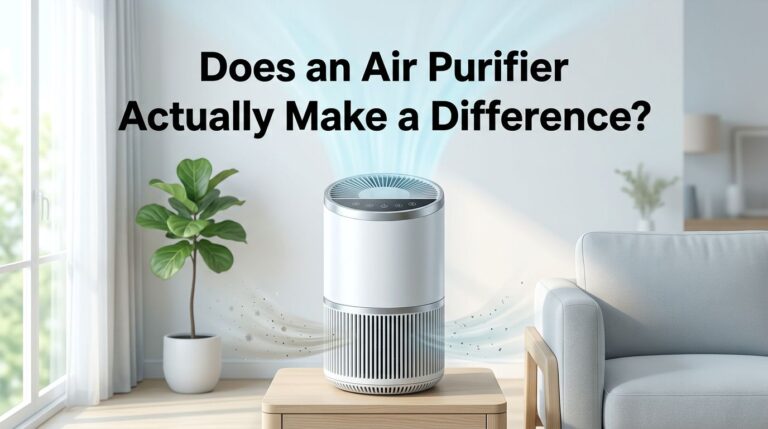
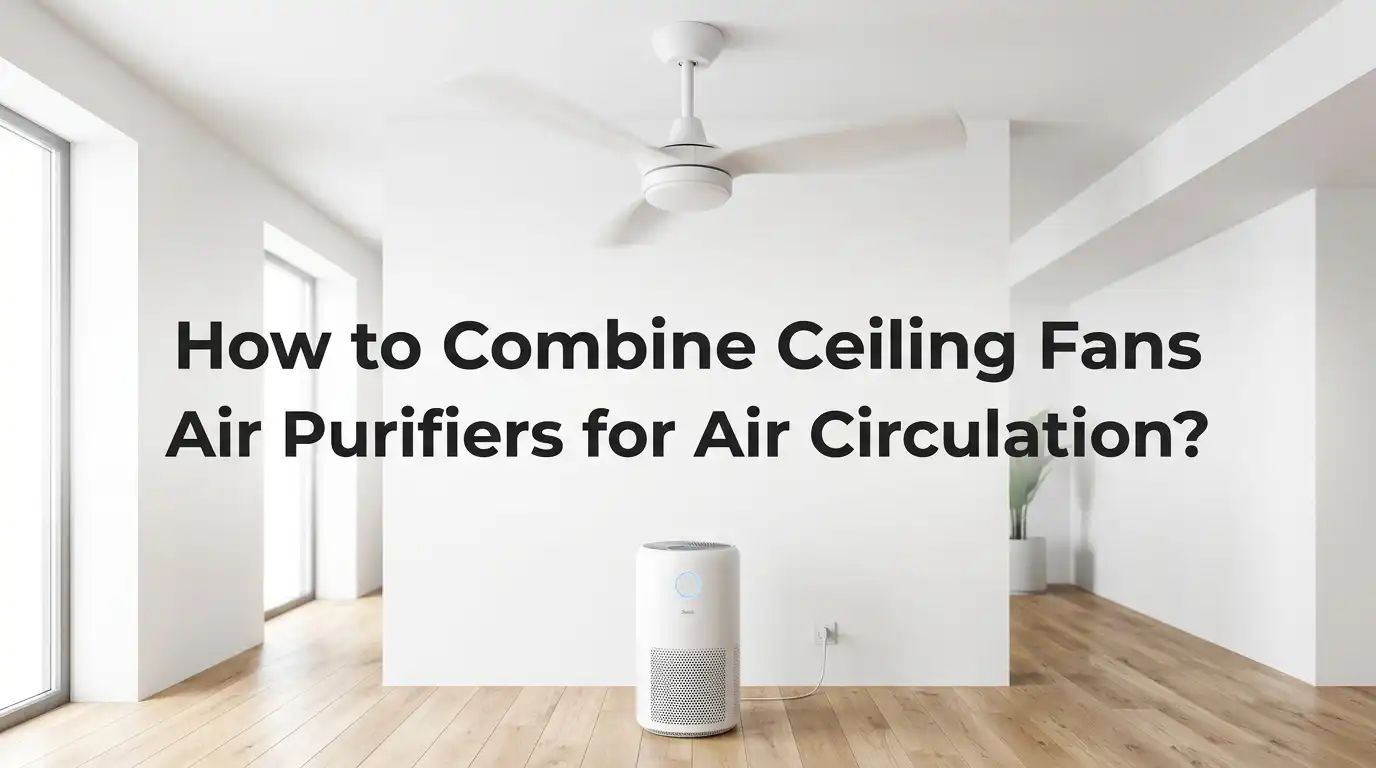
A ceiling fan moves air around the space. An air purifier pulls that same air through filters and removes dust, pollen, smoke, and pet dander. When you combine them correctly, you get something better than either device alone.
The fan helps push unfiltered air toward the purifier. The purifier catches and traps pollutants. The fan then spreads freshly cleaned air across the entire room.
Key Takeaways
- Run both devices at the same time. A ceiling fan does not hurt your air purifier. In fact, research shows that ceiling fan mixing increases the removal rate of airborne particles when combined with a room air cleaner. The two devices create a synergy where the whole is greater than the sum of the parts.
- Place the air purifier in the center of the room. Give it at least three feet of clearance on all sides. Keep it away from walls, furniture, and electronics. The ceiling fan will circulate air across the room and help deliver pollutants to the centrally located purifier.
- Match the purifier size to your room volume, not just floor area. Ceiling height matters. A room with 12 foot ceilings has 50 percent more air to clean than the same room with standard 8 foot ceilings. Adjust your CADR (Clean Air Delivery Rate) requirement based on cubic feet, not square feet.
- Change fan direction twice a year. Set the ceiling fan to spin counterclockwise in summer for a cooling downdraft. Switch it to clockwise on low speed in winter to pull cool air up and push warm air back down. Seasonal direction changes improve both comfort and air mixing.
- Clean the fan blades every month. Dusty blades scatter allergens and settled particles back into the room every time you turn the fan on. A dirty fan can overwhelm the air purifier. Keeping blades clean makes both devices more effective.
- Run the purifier all day on auto mode. Indoor pollution is not a one time event. Dust settles and gets stirred up. Cooking releases new particles. Pollen drifts in from open doors. Continuous operation keeps air quality steady rather than playing catch up.
Understand the Core Jobs of Each Device
A ceiling fan and an air purifier serve two completely different functions. A ceiling fan spins its blades and pushes air to create a breeze. That breeze cools your skin through evaporation. The fan does not remove pollutants. It does not trap dust. It does not filter smoke or odors. Its only job is to move air around the room.
An air purifier pulls air in through an intake, pushes it through a series of filters, and releases cleaned air back out. A HEPA filter inside the purifier traps particles as small as 0.3 microns.
That captures pollen, pet dander, mold spores, dust mite debris, and even some bacteria. An activated carbon filter removes gases, cooking odors, and volatile organic compounds.
You need both devices because a purifier alone can only treat the air close to its intake. In a large room with poor circulation, pollutants in far corners may never reach the filter. A ceiling fan stretches the reach of the purifier. It mixes the entire room volume, bringing dirty air toward the filter and spreading clean air everywhere else.
Pros: The ceiling fan uses very little electricity. The air purifier traps pollutants that the fan cannot. Together they cover each other’s weaknesses.
Cons: A fan running at high speed may stir up dust that had settled on surfaces. A dirty fan blade becomes a pollution source rather than a circulation helper.
Choose the Right Air Purifier Size Based on Room Volume
Most people pick an air purifier based on square footage alone. That is only half the equation. You need to think about room volume, which is length times width times ceiling height. Standard coverage ratings assume an 8 foot ceiling. If your ceilings are 10 or 12 feet high, you need a bigger purifier.
Here is a quick way to calculate what you need. Measure your room’s length and width in feet. Multiply those two numbers to get square footage. Then multiply by your ceiling height. Divide that total by 8 to find the equivalent square footage for a standard ceiling.
For example, a 20 by 15 foot living room with 10 foot ceilings has a volume of 3,000 cubic feet. Divide by 8 and you get 375 square feet of equivalent coverage. Buy a purifier rated for at least 375 square feet, not the 300 square feet of floor area.
Also look at the CADR or Clean Air Delivery Rate. This number tells you how many cubic feet of clean air the purifier delivers per minute.
The CADR for smoke should be at least two thirds of your room’s square footage for standard 8 foot ceilings. For higher ceilings, aim for a higher CADR to keep air changes per hour in the effective range of four to six cycles.
Pros: A properly sized purifier cleans the air quickly and efficiently. You avoid wasting money on an oversized unit or struggling with an undersized one.
Cons: Larger purifiers cost more upfront and have pricier replacement filters. You may also need to run them at higher fan speeds, which produces more noise.
Set the Ceiling Fan Direction for Each Season
Your ceiling fan has a small switch on the motor housing that changes the blade rotation direction. Most people ignore this switch all year. That mistake reduces comfort and wastes energy. The direction matters because it changes how air flows through the room.
In summer, set the blades to spin counterclockwise. Stand under the fan and look up. The blades should move from right to left. This direction pushes air straight down toward your body.
You feel a cooling breeze that makes the room feel up to four degrees cooler. That wind chill effect lets you raise the thermostat and save on air conditioning costs. The downward airflow also helps push airborne particles toward a floor level purifier intake.
In winter, flip the switch so blades spin clockwise on low speed. The blades should move from left to right. This creates a gentle updraft.
Warm air that naturally gathers near the ceiling gets pulled up and pushed sideways along the ceiling, then down the walls. The room temperature evens out without a chilly draft hitting your skin. Your heating system runs less often.
Pros: Seasonal direction changes improve comfort and lower energy bills significantly. The Department of Energy confirms you can raise your thermostat by four degrees when using a ceiling fan correctly.
Cons: You must remember to flip the switch twice a year. Many people forget or do not even know the switch exists.
Place the Air Purifier in the Optimal Spot
Placement makes or breaks the performance of your air purifier. The best spot is as close to the center of the room as possible. A central location gives the purifier equal access to pollutants from all directions.
Keep at least three feet of clearance around every side of the unit. Do not push it against a wall. Do not hide it behind a sofa. Do not tuck it into a corner. Blocked intakes choke the airflow and lower the effective CADR.
Elevate the purifier slightly off the floor. Placing it on a sturdy table, a low shelf, or a dedicated stand puts the intake at breathing height. Most people breathe air between three and five feet above the floor.
That is where you want the filtration to happen. Floor placement draws in heavy dust and hair that a vacuum should handle, which clogs the prefilter faster.
In a bedroom, place the purifier about six to ten feet from your head. Point the intake toward the bed so the air around your sleeping zone gets filtered first. Avoid blowing the cleaned air directly onto your face. Strong airflow while you sleep can cause dry eyes, dry throat, or even morning headaches for some people.
Pros: Proper placement can double the effective cleaning speed of your purifier. You feel the difference in air freshness within hours.
Cons: Finding a truly central spot can be tricky. Power cords limit your options. Extension cords create tripping hazards.
Position the Ceiling Fan to Boost Air Mixing Without Blowing Directly at the Purifier
The ceiling fan sits above everything. It stirs the entire column of air from floor to ceiling. This mixing effect is exactly what your air purifier needs. A scientific study from the UTest House research facility found that ceiling fan air mixing increased particle removal at all size bins when combined with a room air cleaner.
The removal rate with both devices running was greater than the sum of each operating alone. That means synergy. The fan and purifier truly work better together.
Place the fan across the room from the purifier if possible. Do not aim the fan’s downdraft directly into the purifier’s intake. A strong air jet hitting the intake can disrupt the carefully designed airflow pattern inside the unit. Instead, let the fan stir the whole room so pollutants float and drift naturally toward the purifier’s intake zone.
Set the fan speed at a medium level for daily air mixing. High speed may cool you better but can also kick up settled dust from surfaces and make more work for the purifier. Low speed at night keeps the air moving gently without noise or strong drafts.
Pros: Gentle ceiling fan mixing improves air distribution. The purifier catches more particles per hour. Air feels fresher everywhere, not just near the unit.
Cons: A dirty ceiling fan at high speed can scatter more dust than the purifier can handle at once.
Clean the Ceiling Fan Blades Regularly
Dust does not just sit on a fan blade. It waits there. The moment you turn the fan on, that accumulated dust launches into the air and spreads across the room.
Your air purifier then has to work overtime to capture what the fan just released. This cycle defeats the purpose of using both devices together.
Clean your ceiling fan blades at least once every month. Use a microfiber cloth or a damp pillowcase. Slip the pillowcase over each blade and pull it back slowly.
The dust falls into the case instead of raining down on your furniture. For stubborn buildup, a mild cleaner sprayed on a cloth works well. Do not spray liquids directly onto the blades. Moisture can warp the material over time.
The top side of the blade collects the most dust. Do not skip it just because you cannot see it from below. A step ladder or an extendable duster makes the job easier. If your fan has a light kit, wipe the top of the glass fixture too. All these surfaces attract particles that later get blown around the room.
Pros: Clean blades mean the fan circulates only clean air. The purifier filters work more efficiently and last longer.
Cons: Climbing a ladder every month feels like a chore. Tall ceilings make this task harder and may require a professional cleaning tool.
Run the Air Purifier Continuously on Auto or Medium Speed
Indoor air quality is not a one time fix. Pollutants enter the room constantly. Cooking releases smoke and grease particles. Pets shed dander.
Outdoor pollen sneaks in through doors and windows. Even walking across a carpet kicks up dust that had settled minutes earlier. Turning the purifier off for hours lets these particles build up again.
Modern air purifiers are built for continuous operation. Most draw between 30 and 70 watts, similar to a light bulb. Running one 24 hours a day typically costs three to eight dollars per month depending on your local electricity rate. The investment is small compared to the health benefit of breathing cleaner air all day and all night.
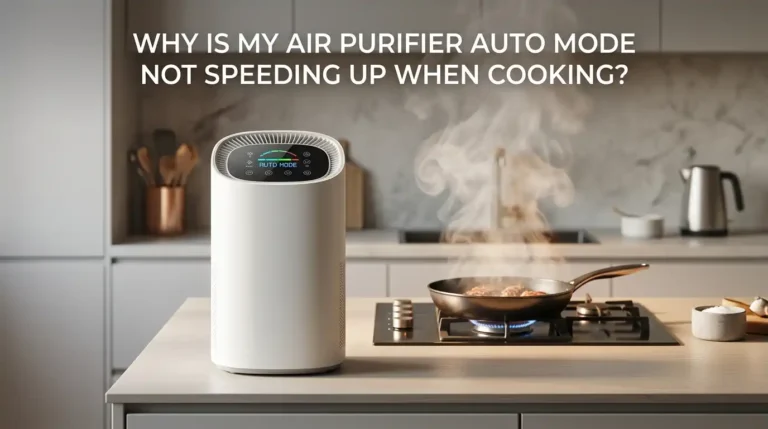
Use auto mode if your purifier has a smart sensor. The unit will ramp up fan speed when it detects a spike in particle levels, like during cooking or dusting. It will drop back to a quiet low speed when the air is clean.
If your purifier lacks auto mode, set it to medium speed during the day and low speed at night. A ceiling fan adds almost nothing to your energy bill. A highly efficient ceiling fan can move thousands of cubic feet of air per minute for just eight to ten watts of power.
Pros: Continuous operation keeps particle levels low and steady. Auto mode saves energy and reduces filter wear by not running at high speed when the air is already clean.
Cons: You must replace filters more often when running the purifier all day. Some budget purifiers produce noticeable noise even on medium speed.
Match Fan Speed to Room Conditions and Activity Levels
The speed dial on your ceiling fan and the speed setting on your purifier both affect how well the two devices work together. Think of these settings as a team effort. Each speed combination changes how fast pollutants get captured and how comfortable you feel.
During active hours, like cooking dinner or playing with a pet, set the ceiling fan to medium speed and the air purifier to high. The extra air movement helps push cooking smoke and stirred up dander toward the purifier faster.
The higher purifier speed processes more cubic feet of air per minute, which means those pollutants get trapped quickly instead of lingering.
During quiet hours, like reading or watching television, drop the ceiling fan to low or medium and the purifier to medium. You get steady air cleaning without intrusive noise.
At night while sleeping, set the ceiling fan to low and the purifier to sleep mode or the lowest audible setting. Many purifiers dim all lights in sleep mode. The gentle white noise from both devices often improves sleep quality.
Pros: Adjusting speeds throughout the day balances comfort, noise, and cleaning efficiency. You do not run devices harder than needed.
Cons: Remembering to change settings multiple times a day feels like micromanaging. Smart plugs and purifiers with programmable timers help automate this.
Do Not Place the Purifier Near Windows, Doors, or Heat Sources
Open windows and exterior doors introduce a constant stream of outdoor pollutants. Pollen, vehicle exhaust, and road dust drift into the room. If your purifier sits right next to an open window, it spends all its energy filtering outdoor air that keeps coming in.
The room’s indoor air never gets fully cleaned. Close windows and doors when running the purifier, especially during high pollen season or wildfire smoke events.
Avoid placing the purifier next to radiators, heating vents, or sunny windows. Heat can affect the electronic components over time. It also creates air currents that disrupt the purifier’s intake flow pattern. Electronics like televisions and computers generate heat and attract dust. Keep the purifier at least three feet away from all electronics.
High humidity areas are also a poor choice. Bathrooms, laundry rooms, and damp basements expose the HEPA filter to moisture levels above 85 percent relative humidity. Wet filters lose efficiency. Mold can grow on the filter media itself, turning the purifier into a mold spore distributor.
Pros: Keeping the purifier away from pollution entry points and heat sources extends filter life and device longevity. You get cleaner results with less energy waste.
Cons: Some rooms have limited outlet options. Finding a spot away from windows and heat sources while still near a power socket takes planning.
Use Multiple Purifiers in Large or Open Floor Plan Homes
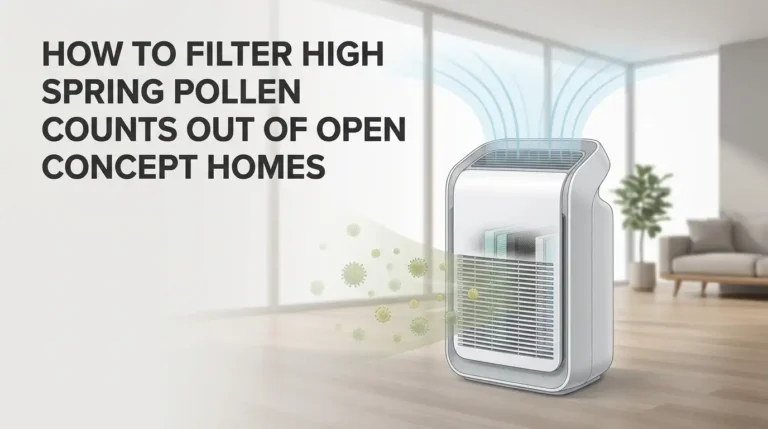
One air purifier cannot clean an entire house. A portable unit treats one room at a time. In large open concept homes where the kitchen, dining area, and living room share one big space, a single purifier may struggle to cover the full air volume.
You may notice that the area near the purifier smells fresh, but the far end of the room still holds cooking odors or stuffiness.
Place two medium purifiers at opposite ends of a large open space instead of one oversized unit. The ceiling fans in the room will mix air between the two devices. Each purifier handles a portion of the volume. The combined cleaning power covers the whole area more evenly.
For multi story homes, put at least one purifier on each floor. A unit in the upstairs hallway and one in the main living area downstairs create overlapping clean air zones. Keep bedroom doors slightly open at night so the ceiling fan can circulate clean air from the hallway purifier into individual sleeping spaces.
Pros: Multiple purifiers provide better coverage and faster air changes in large spaces. Redundancy means one device can be off for maintenance while the other keeps running.
Cons: Buying two or three purifiers costs more upfront. Replacement filter costs multiply. You also need enough outlets in good locations.
Monitor Air Quality to Fine Tune Your Setup
You cannot smell every pollutant. Many harmful particles are invisible. A portable air quality monitor gives you real time feedback on how well your ceiling fan and purifier combination is working. These small devices measure PM2.5, PM10, volatile organic compounds, and sometimes carbon dioxide levels.
Place the monitor in the area where you spend the most time, like near your sofa or next to your bed. Watch the readings on a typical day without the purifier running. Note the baseline pollution level.
Then turn on the purifier and ceiling fan together. Watch how quickly the particle count drops. Within 15 to 30 minutes, a well sized purifier with good fan mixing should bring PM2.5 levels down significantly.
This data helps you adjust. If the numbers stay stubbornly high, you may need to increase purifier fan speed or move the unit to a more central location.
If the numbers drop quickly and stay low, you can lower the fan speed to save energy and reduce noise. Many modern purifiers include built in sensors and an auto mode that does this adjusting for you automatically.
Pros: An air quality monitor removes the guesswork. You see exactly when the air is clean and when it needs more filtration.
Cons: Good monitors cost extra. The sensors need occasional calibration to stay accurate.
Avoid Common Mistakes That Sabotage the Setup
Many people buy the right devices and still get poor results. The problem is almost always one of a few common mistakes. Placing the purifier against a wall blocks the intake and cuts airflow by more than half.
Running the ceiling fan with dusty blades turns the fan into a pollution circulator instead of an air mixing helper. Using a purifier rated for a room half the actual size means the air never gets fully cleaned. Even with a ceiling fan helping, an undersized purifier cannot keep up with the volume.
Another frequent error is running the purifier only when you notice a smell or see dust in the air. By that point, pollutant levels are already high.
Continuous operation keeps levels low and prevents spikes. Do not turn the purifier off when you leave the room. The ceiling fan can stay on too, gently moving air so pollutants do not settle in stagnant zones.
Finally, set expectations realistically. A ceiling fan paired with an air purifier will not cool a hot room like an air conditioner. The fan creates a wind chill effect on your skin. The purifier cleans the air you breathe. Together they make a room feel fresher and more comfortable, but they do not lower the actual temperature.
Pros: Avoiding these mistakes costs nothing. A few simple adjustments unlock the full potential of devices you already own.
Cons: Breaking old habits takes conscious effort. You may need to rearrange furniture and rethink where devices have been sitting for years.
Maintain Both Devices on a Regular Schedule
Every air cleaning strategy fails without routine maintenance. A clogged filter cannot trap new particles. A wobbly ceiling fan cannot mix air evenly. Both devices need attention a few times a year to stay in top condition.
Replace your air purifier’s HEPA filter according to the manufacturer’s schedule, usually every six to twelve months. Wash or vacuum the prefilter every two to four weeks.
A dirty prefilter forces the main HEPA filter to work harder, shortening its life and reducing overall CADR. Activated carbon filters lose their odor absorbing ability over time and need replacement too.
For the ceiling fan, besides monthly blade cleaning, check the screws and mounting bracket twice a year. Tighten any loose hardware. A wobbling fan is noisy, inefficient, and potentially dangerous.
Dust the motor housing and pull chains. If your fan has a reverse switch, exercise the switch when you change directions for summer and winter. This prevents the mechanism from seizing up from disuse.
Pros: Regular maintenance extends the life of both devices. Clean filters capture more pollutants. Tight components run quieter and use less energy.
Cons: Replacement filters cost money. Climbing up to service the ceiling fan takes time. Setting calendar reminders helps you stay on track.
FAQs
Can I run a ceiling fan and an air purifier in the same room at the same time?
Yes, you can and you should. The ceiling fan does not harm the air purifier. It helps by moving more unfiltered air toward the purifier’s intake. Research shows that ceiling fan mixing increases particle removal when combined with a room air cleaner. The two devices work together to clean the air faster and distribute clean air more evenly across the room.
Will a ceiling fan spread more dust and make the air purifier work harder?
A ceiling fan with clean blades does not spread dust. It only moves the air that already exists in the room. However, a dirty ceiling fan with dust caked on the blades will launch that dust into the air every time you turn it on. This does make the air purifier work harder. Clean the fan blades monthly to prevent this problem.
What size air purifier do I need if my room has high ceilings?
Calculate the room volume in cubic feet by multiplying length, width, and ceiling height. Divide that number by 8 to find the equivalent square footage for standard ceiling height. Choose a purifier rated for at least that adjusted square footage. For a room with 12 foot ceilings, you may need a purifier rated 50 percent higher than what the floor area alone suggests.
Which direction should my ceiling fan spin when I use an air purifier?
In summer, set the fan to spin counterclockwise. This pushes air down and helps move particles toward a floor or table level purifier. In winter, set the fan to spin clockwise on low speed. This mixes warm ceiling air back down without creating a draft. Both directions support good air mixing that helps the purifier do its job.
Should I turn off the air purifier when I leave the room?
No, leave the purifier running. Indoor pollution does not stop when you walk away. Dust keeps settling. New particles drift in from other rooms. Turning the purifier off allows pollutants to build up. When you return and turn it back on, it has to work harder to bring levels back down. Continuous operation on auto or low speed keeps air quality steady.
Where is the worst place to put an air purifier in a room with a ceiling fan?
The worst places are against a wall, tucked in a corner, behind a sofa, or under a desk. These spots block the intake and choke airflow. Also avoid putting the purifier directly under the ceiling fan’s strongest downdraft. A direct blast of air can disrupt the purifier’s designed intake pattern. Keep the purifier central with clear space on all sides.

I’m Maya Brown, the voice behind Pure Breeze Vault. I write detailed, honest, and easy-to-follow air purifier reviews to help readers compare features, understand filter technologies, and choose products with confidence. My goal is to make research simpler, clearer, and more practical for anyone improving indoor air quality at home.