How to Humidify a Room Without a Humidifier?
Is the air in your home so dry that your skin cracks, your throat burns, and you wake up feeling like you slept in a desert? You are not alone. Millions of people deal with uncomfortably dry indoor air, especially during the cold winter months. The good news is you do not need an expensive machine to fix this problem.
Dry air can drop indoor humidity below 30%, which the EPA considers too low for comfort and health. It can cause nosebleeds, irritated sinuses, chapped lips, and even damage your wooden furniture.
But here is the thing: simple household items and everyday activities can raise your room’s humidity back to a healthy range of 30% to 50%.
In a Nutshell:
- The ideal indoor humidity level is between 30% and 50%. Anything below 30% is considered too dry and can cause health issues like dry skin, respiratory irritation, sore throats, and increased vulnerability to colds and flu. A simple hygrometer can help you monitor your levels.
- Boiling water on the stove is one of the fastest ways to add moisture to indoor air. The steam spreads quickly through your kitchen and nearby rooms. Cooking soups, stews, and pasta also produces a large amount of steam.
- Houseplants act as natural humidifiers. Plants like Areca Palms, Boston Ferns, and Spider Plants release water vapor through a process called transpiration. A group of several plants in one room can make a noticeable difference.
- Drying your laundry indoors is a surprisingly effective humidity booster. A single load of wet clothes can release several liters of water into the air as it dries. This is a free method that also saves energy from the dryer.
- Leaving your bathroom door open during and after a hot shower pushes warm, moist air into other rooms. This is one of the easiest habits to adopt and costs nothing extra.
- Placing bowls or containers of water near heat sources speeds up evaporation. Radiators, floor vents, and sunny windowsills all provide the warmth needed to turn standing water into water vapor.
How to Tell if Your Room Has Low Humidity
Before you start adding moisture, you need to confirm that dry air is actually your problem. The most reliable tool is a hygrometer, a small device that measures relative humidity. You can find one at most hardware stores for just a few dollars.
Your body also gives clear signals. Dry, flaky skin, chapped lips, and frequent static shocks are strong signs of low humidity. You might also notice a scratchy throat in the morning or increased nosebleeds.
Look around your home, too. Cracking wooden furniture, peeling wallpaper, and gaps between floorboards all point to excessively dry conditions. If you see condensation on your windows, however, your humidity may actually be too high. The goal is balance, and these signs help you gauge where you stand.
How to Boil Water on the Stove to Humidify a Room Quickly
This is the fastest method on the list. Fill a pot with water, place it on your stove, and bring it to a boil. The steam will rise and spread moisture through your kitchen and connected rooms almost immediately.
Once the water reaches a rolling boil, you can reduce the heat to a simmer. A gentle simmer releases a steady stream of steam without using as much energy. You can also add cinnamon sticks, citrus peels, or essential oils to make your home smell wonderful at the same time.
Pros: Extremely fast results, uses items you already have, adds warmth to the room, and can double as aromatherapy. Cons: Requires supervision to avoid boiling the pot dry, uses energy, and is not practical for overnight use. This method works best as a quick fix during the day.
How to Use Bowls of Water Near Heat Sources for Passive Humidity
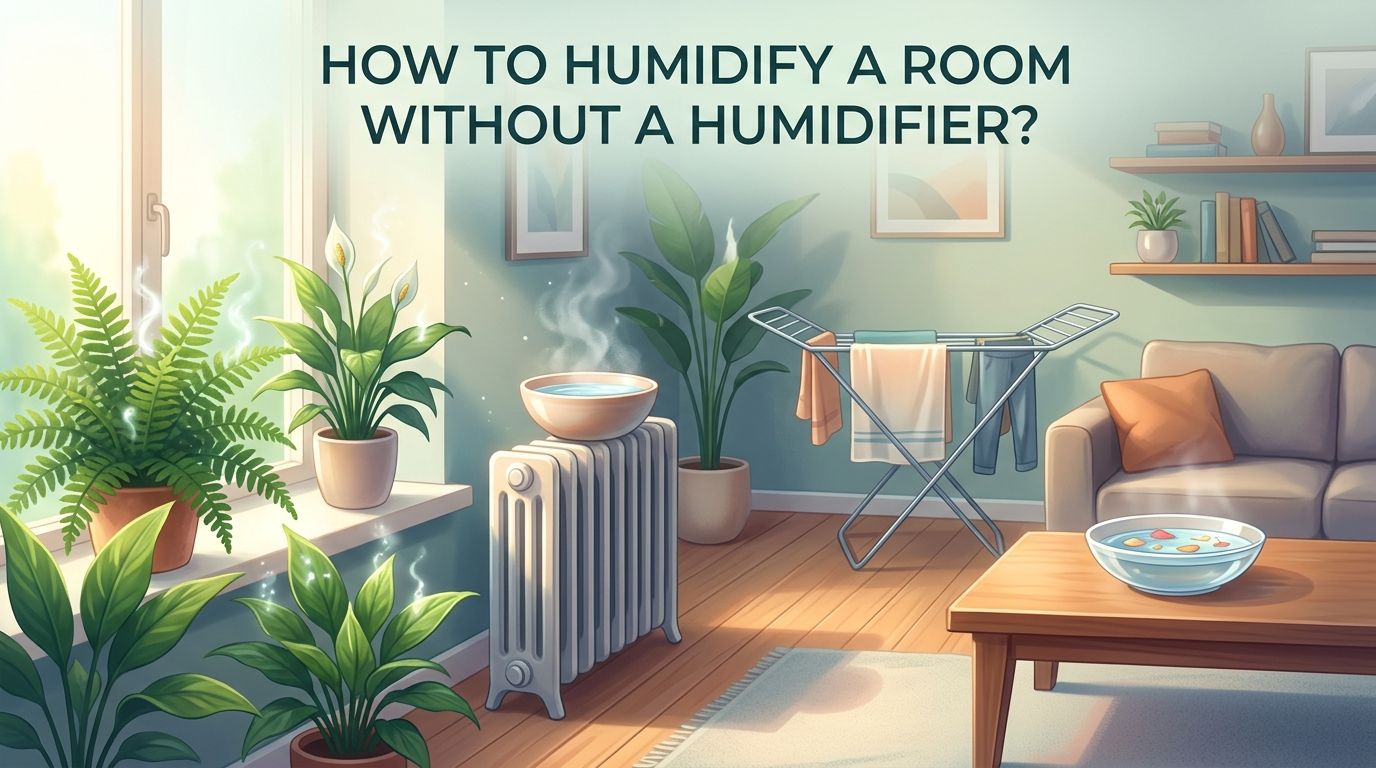
This method requires almost no effort. Place wide, shallow bowls or containers of water on top of or near your radiators, heating vents, or floor registers. The heat from these sources speeds up evaporation and pushes moisture into the air.
A wider container works better because it exposes more water surface area to the warm air. Ceramic or metal bowls absorb heat well and improve evaporation rates. You can also place a clear vase of water on a sunny windowsill where the sun’s warmth will do the same job.
Pros: Completely passive, no electricity needed, costs nothing, and works around the clock. Cons: Adds moisture slowly, requires regular refilling, and may not be enough for very large rooms. This is a great low effort method to combine with other techniques on this list.
How to Use Wet Towels and Damp Cloths to Add Moisture
A wet towel can serve as a simple evaporative humidifier. Soak a towel or large cloth in water, wring it out so it is damp but not dripping, and hang it in the room. As the towel dries, it releases moisture directly into the air.
For faster results, hang the damp towel near a fan or a heating vent. The airflow will speed up evaporation and spread the moisture more evenly throughout the room. You can also drape a damp cloth over a chair or a drying rack.
Pros: Very cheap, easy to set up, works well at night, and is quiet. Cons: Needs to be re-soaked as it dries out, can look messy, and may drip if not wrung out properly. This method is perfect for bedrooms where you want to add humidity while you sleep.
How to Dry Your Laundry Indoors to Increase Room Humidity
This is one of the most effective natural methods. Instead of using your dryer, hang your freshly washed clothes on a drying rack or clothesline inside your home. A single load of laundry holds a significant amount of water that will evaporate into the air over several hours.
Place the drying rack in the room that needs the most humidity. Heavier items like jeans, towels, and bed sheets release the most moisture because they hold more water. You will notice a difference within an hour or two.
Pros: Free, saves energy by skipping the dryer, very effective, and does double duty. Cons: Takes up space, can make a room feel cluttered, and heavy loads take a long time to dry in already humid conditions. If mold is a concern in your home, use this method in well ventilated areas and monitor humidity levels.
How to Leave the Bathroom Door Open After Showers to Spread Moisture
A hot shower generates a large amount of steam. Normally, that steam stays trapped in your bathroom. By leaving the door open, you allow all that warm, moist air to flow into the rest of your home. This is one of the easiest habits you can build.
If you take a bath, let the hot water sit in the tub instead of draining it right away. The water will continue to release moisture as it cools down. This can add humidity to your home for an hour or more after your bath.
Pros: Completely free, requires no extra effort, and produces a lot of moisture quickly. Cons: Reduces bathroom privacy, can cause moisture buildup on nearby walls over time, and only works once or twice a day. Turn on your bathroom exhaust fan only after the rest of the house has absorbed the moisture.
How to Use Houseplants as Natural Humidifiers in Any Room
Plants are living humidifiers. Through a process called transpiration, plants absorb water through their roots and release water vapor through tiny pores on their leaves. A few well chosen houseplants can measurably increase the humidity in a room.
The best plants for this job include Areca Palms, Boston Ferns, Spider Plants, Rubber Plants, and Peace Lilies. These species have large or numerous leaves that release more moisture. Grouping several plants together in one area creates a small humid microclimate.
Pros: Beautiful to look at, improve air quality, work 24/7, and add life to your space. Cons: Require care and watering, take time to grow, and some can be toxic to pets. If you have cats or dogs, choose pet safe options like Spider Plants or Boston Ferns.
How to Cook on the Stovetop Instead of the Oven to Add Steam
Stovetop cooking produces far more steam than oven cooking. Every time you boil pasta, make soup, brew tea, or simmer a sauce, you release moisture into the air. Shifting more of your cooking to the stovetop is a simple way to boost humidity during meals.
After you finish baking, leave the oven door open to let the residual heat and moisture escape into your kitchen. This gives you a bonus burst of warm air. Slow cooking with a lid partially off also generates a steady stream of steam over long periods.
Pros: Combines daily cooking with humidity control, adds warmth, and requires no extra steps. Cons: Limited to mealtimes, increases kitchen heat in summer, and does not help rooms far from the kitchen. This method works best as one piece of a larger humidity strategy.
How to Build a Simple DIY Humidifier with a Fan and Water
You can create a basic evaporative humidifier with just a fan and a container of water. Place a shallow pan, tray, or bowl of water directly in front of a fan. The fan blows air across the water’s surface, which speeds up evaporation and pushes the moisture into the room.
For even better results, place a damp cloth or sponge in the water container. The cloth wicks up water and increases the evaporation surface area. A small desk fan works fine for a bedroom or office.
Pros: Very affordable, adjustable by fan speed, and more effective than a bowl of water alone. Cons: Uses electricity, fan noise may bother light sleepers, and requires regular water refills. This DIY option gives you a solid boost without the cost of a commercial humidifier.
How to Use an Indoor Water Feature or Fish Tank to Maintain Humidity
An indoor fountain or fish tank is a constant source of evaporation. The water surface area of these features steadily releases moisture into the air, and they add a decorative or relaxing element to your home at the same time.
A small tabletop fountain works well for a single room. A fish tank, especially an open top aquarium, provides an even larger evaporation surface and has the added benefit of creating a calming visual focal point. The warmer the water, the faster it evaporates.
Pros: Provides constant passive humidity, looks attractive, and a fish tank doubles as a hobby. Cons: Requires maintenance, can be expensive to set up initially, and a fountain may add background noise. This option is ideal if you want a long term, low effort solution that also improves your room’s appearance.
How to Seal Your Home Properly to Prevent Moisture Loss
All the moisture you add will escape quickly if your home is drafty. Check your windows and doors for gaps, cracks, and poor seals. Cold, dry air leaking in from outside replaces the humid air you have worked to create.
Use weatherstripping, caulk, or draft stoppers to seal obvious gaps. Pay special attention to older windows, door frames, and any area where you can feel a cold draft. Sealing your home also reduces heating costs, so this step has a double benefit.
Pros: Keeps moisture inside, reduces energy bills, and improves overall comfort. Cons: Requires some upfront effort and minor expense, and excessive sealing without ventilation can lead to mold. Balance airtightness with some controlled ventilation to maintain healthy air quality.
How to Mist Your Curtains and Rooms with a Spray Bottle
A spray bottle filled with clean water is a surprisingly effective tool. Lightly mist your curtains, upholstery, or even the air in a room to give an instant, small boost of humidity. The fine mist evaporates quickly and raises the moisture level in the immediate area.
Do this a few times a day in rooms that feel especially dry. Focus on curtains and fabric surfaces because they hold the moisture longer and release it slowly. Add a few drops of essential oil to the water for a pleasant scent.
Pros: Instant results, extremely cheap, portable, and easy to control. Cons: The effect is temporary and minor, requires repeated application, and over misting can dampen fabrics too much. This method works best as a quick supplement alongside other techniques on this list.
How to Monitor and Maintain Healthy Humidity Levels in Your Home
Raising humidity is only half the job. You also need to make sure you do not overdo it. Humidity levels above 50% to 60% can promote mold growth, dust mites, and mildew. A hygrometer is the best way to keep track.
Place hygrometers in the rooms you spend the most time in, like the bedroom and living room. Check them regularly and adjust your methods based on the readings. If humidity climbs too high, open a window or reduce the number of water sources in that room.
Combine multiple low effort methods for the best results. For example, use houseplants in the living room, hang damp towels in the bedroom, and cook on the stovetop during meals. A layered approach gives you consistent, whole home humidity without depending on a single technique.
Frequently Asked Questions
How long does it take to humidify a room without a humidifier?
It depends on the method. Boiling water on the stove can raise humidity in minutes, while placing bowls of water near heat sources may take several hours to produce a noticeable change. Combining two or three methods together speeds up the process significantly.
Can dry indoor air make you sick?
Yes, it can. Indoor air below 30% humidity dries out your nasal passages and throat, which weakens your body’s natural defense against viruses and bacteria. Studies show that maintaining humidity above 40% reduces the survival rate of airborne flu viruses.
What is the best houseplant for increasing room humidity?
The Areca Palm is widely considered the best houseplant for adding moisture to indoor air. Boston Ferns and Spider Plants are also excellent choices. These plants release water vapor through their leaves and are relatively easy to care for.
Is it safe to leave a bowl of water near a heater overnight?
Yes, this is generally safe. Use a sturdy, wide bowl that will not tip over, and place it on a stable surface near (not on) the heater. Metal or ceramic bowls handle heat better than plastic. Check the water level each morning and refill as needed.
How do I know if my room humidity is too high?
Look for condensation on your windows, a musty smell, or visible mold spots. A hygrometer reading above 60% confirms that your humidity is too high. At that point, reduce your moisture adding activities and improve ventilation by opening a window or turning on an exhaust fan.
Can I humidify just one room instead of the whole house?
Absolutely. Close the door to the room you want to humidify and use a targeted method like a damp towel, a bowl of water near a heat source, or a group of houseplants. Keeping the door closed traps the moisture inside and raises humidity faster in that specific space.

I’m Maya Brown, the voice behind Pure Breeze Vault. I write detailed, honest, and easy-to-follow air purifier reviews to help readers compare features, understand filter technologies, and choose products with confidence. My goal is to make research simpler, clearer, and more practical for anyone improving indoor air quality at home.