Why Is My Air Purifier Blowing Warm Air Instead Of Cold?
If your air purifier is blowing warm air, you may think it is broken. That reaction makes sense. Many people expect the airflow to feel cool, fresh, and crisp.
But an air purifier does not work like an air conditioner. In many cases, slightly warm airflow is normal. In other cases, it points to a filter problem, blocked airflow, bad placement, or a motor issue.
This guide gives you clear answers and practical fixes. You will learn what is normal, what is not, and what to do next. By the end, you should know whether your purifier needs a quick cleaning, a new filter, a reset, or professional help.
In a Nutshell
- A slight warm feel can be normal. Many air purifiers use a fan motor, and that motor creates a small amount of heat. So the outgoing air may feel a bit warmer than expected, even when the unit is working well. That does not always mean there is a fault.
- Air purifiers do not make air cold. Their job is to move air through filters and trap dust, pollen, smoke particles, and some odors. They can make you feel more comfortable because air movement helps sweat evaporate from your skin, but they do not lower room temperature like an air conditioner.
- A dirty filter is one of the most common causes. When the filter fills with dust, airflow drops and the machine works harder. That can make the unit feel warmer and weaker. Replacing the filter often solves the problem fast.
- Poor placement also matters. If the purifier sits near a window with strong sun, close to a radiator, next to curtains, or pushed against a wall, airflow gets blocked or heated. A simple move to a better spot can change performance right away.
- Some units have heating features or confusing auto settings. If you own a purifier fan combo or a purifier heater combo, a setting may be wrong. Check the display, remote, app, and mode controls before you assume the machine is failing.
- Hot air, burning smells, or repeated shutoffs are warning signs. A little warmth is one thing. Air that feels clearly hot is different. If the purifier smells like burning plastic, shuts off by itself, or becomes too hot to touch, turn it off and unplug it. That needs attention right away.
Warm Air Does Not Always Mean Something Is Wrong
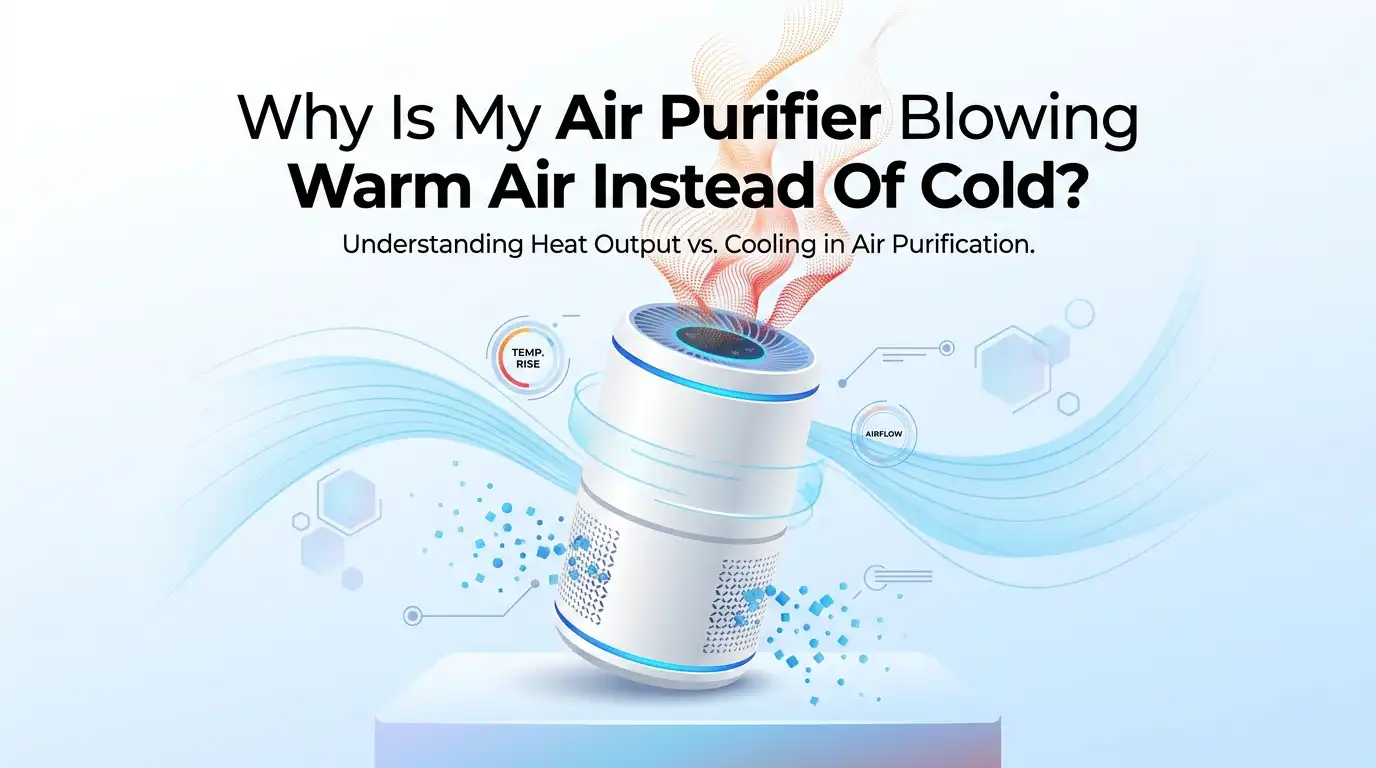
The first thing to know is simple. Your air purifier may be fine. Most air purifiers pull room air in, pass it through one or more filters, and push it back out. During that process, the fan motor creates some heat. That is why the airflow may feel slightly warm instead of cool.
The key word is slightly. If the air feels close to room temperature with a mild warm touch, that is often normal. If it feels truly hot, or the unit smells odd, then you need to check deeper.
Pros: understanding this saves you money and stress. You may avoid replacing a good machine. Cons: assuming all warm air is normal can delay a real fix if the purifier also has noise, weak airflow, or overheating signs.
Air Purifiers Do Not Make Air Cold
This is the biggest point behind the whole problem. An air purifier cleans air. It does not chill air. It has no refrigerant, no compressor, and no cooling coil like an air conditioner. So if you expect cold air, the purifier will seem disappointing even when it works exactly as it should.
What it can do is move air across your skin. That moving air can make you feel cooler. But your room temperature usually stays the same.
Pros: an air purifier can improve indoor air and help reduce particles in the room. It may also help the room feel fresher because air keeps moving. Cons: it cannot replace an air conditioner, and it will not lower the actual room temperature on its own.
Check For Heat Mode Or Combo Features First
Some people own a purifier that also works as a fan or heater. If that is your setup, warm air may come from the wrong mode, a thermostat setting, or an app control you forgot about. This is one of the fastest things to check.
Start with the display panel. Look for words like heat, auto, temp, or comfort mode. Then check the remote and the phone app if your model uses one. Turn the unit off, unplug it for a minute, then power it on again in plain fan or purifier mode.
Pros: this fix is fast, free, and easy. Cons: if your purifier has no heating function, this step will not solve anything, but it still helps rule out a simple mistake.
Replace A Dirty Filter If Airflow Feels Weak
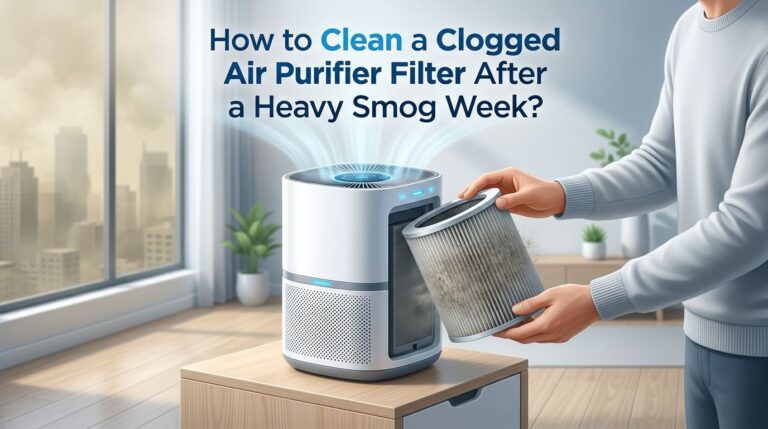
A clogged filter is one of the most common reasons an air purifier feels warm and weak. When the filter gets packed with dust, the fan has to work harder to move air through it. That can reduce airflow and build more heat inside the machine.
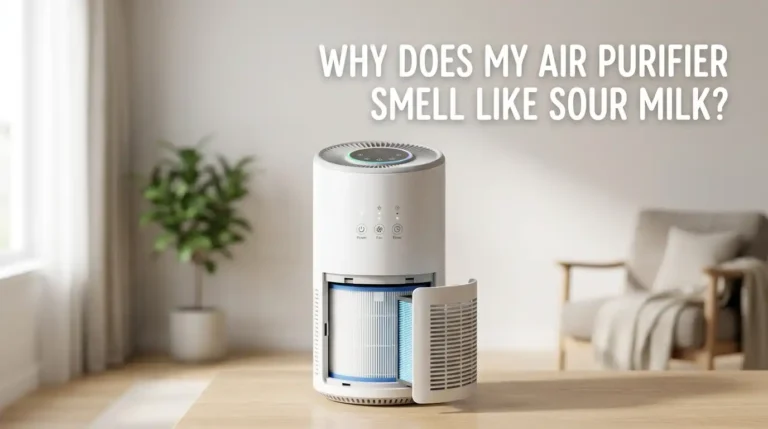
Take the filter out and inspect it in good light. If it looks gray, packed, or oily, replace it. Do not wash a HEPA filter unless the manual clearly says it is washable. Many HEPA filters lose performance when wet. If your unit has a washable pre filter, clean that too.
Pros: replacing a dirty filter often restores strong airflow right away. Cons: a new filter costs money, and it will not fix a damaged motor or sensor problem.
Remove Any Plastic Wrap Or Packing From A New Filter
This sounds obvious, but it happens more than people admit. Many replacement filters come sealed in plastic. If that wrap stays on, airflow drops hard. The purifier may still run, but it cannot breathe well, and the air coming out may feel strange or warmer than usual.
Open the purifier and check every side of the filter. Remove all plastic, cardboard, tape, and packing pieces. Then reinstall the filter so it sits flat and snug inside the frame. Close the cover fully before turning the machine back on.
Pros: this fix costs nothing and can solve the issue in minutes. Cons: if the unit ran for a long time with blocked airflow, you may still need to inspect the motor and vents for extra dust or stress.
Clear Blocked Intake And Outlet Vents
Even a clean filter will struggle if the air intake or outlet is blocked. Curtains, furniture, bedding, walls, pet hair, and dust buildup around the grills can all reduce airflow. Once airflow drops, the purifier may feel warmer and less effective.
Turn the unit off and unplug it. Use a soft brush or a vacuum with a brush attachment on the exterior vents. Wipe away dust around the intake area and make sure the outlet is clear. Then place the purifier where air can move freely around it.
Pros: this method is simple and cheap, and it improves airflow fast. Cons: it needs regular attention. If your home has pets, smoke, or heavy dust, blocked vents can return quicker than you expect.
Move The Purifier Away From Heat Sources
Placement changes performance more than many people realize. If your air purifier sits in direct sun, near a radiator, beside a heater, close to the kitchen, or next to another warm appliance, it may draw in warmer air. That makes the output feel warmer too.
Move the purifier to a cooler and more open part of the room. Keep it away from curtains and walls. Avoid tight corners. If possible, place it in the room where you spend the most time, but give it breathing space on all sides.
Pros: better placement can improve airflow and cleaning results without spending anything. Cons: the perfect spot may not look ideal in the room, and some homes simply have limited space.
Make Sure The Purifier Matches The Room Size
An undersized purifier often has to run hard just to keep up. That can make it noisier, warmer, and less effective. If your unit is too small for the room, it may never give you the airflow you expect.
Check your room size and compare it with the purifier rating. A useful rule is to match the purifier to the room area with enough cleaning capacity, often shown by CADR. If your ceiling is high, you may need more power than the label suggests. If you use the purifier during smoke season or in a dusty home, extra capacity helps even more.
Pros: sizing correctly improves comfort and cleaning speed. Cons: a larger purifier can cost more and take up more floor space.
Clean The Sensor And Reset The Controls
Some air purifiers use sensors to adjust fan speed automatically. If the sensor gets dusty, it may read the room badly. That can make the fan run too high, too low, or in a way that feels odd. A stuck filter light or control glitch can also confuse normal operation.
Turn the purifier off and unplug it. Find the sensor opening if your model has one. Gently clean it with a dry cotton swab. Then reinstall the filter, close the panel properly, and reset the filter indicator if your machine uses one. Restart the purifier and test manual mode first.
Pros: this fix is easy and often overlooked. Cons: it helps only if the problem comes from the sensor or controls, not from a worn out motor.
Know The Difference Between Normal Warmth And Dangerous Heat
A small amount of warmth is common. Dangerous heat is different. If the purifier feels very hot, smells like burning plastic, shuts off by itself, makes a grinding sound, or hums without moving air, stop using it right away.
Touch the housing carefully. Warm is acceptable. Too hot to keep your hand on it is not. Watch for repeated shutoffs or flickering controls. Those signs suggest overheating, a fan problem, or motor trouble.
Pros: catching warning signs early can prevent bigger damage and improve safety. Cons: some people ignore mild early signs because the unit still runs, and that can turn a small issue into a serious one.
Build A Simple Monthly Maintenance Routine
The best fix is often prevention. A quick monthly routine keeps airflow strong and helps your purifier run cooler. Check the filter condition, wipe the outer case, clean the vents, and vacuum the area around the machine. Less dust around the purifier means less dust inside it.
Every few months, review the filter schedule in the manual. Carbon filters often need more frequent changes than particle filters. If you live with pets, smoke, construction dust, or open windows, your filters may fill faster than the basic schedule.
Pros: regular care protects airflow and helps the purifier work better for longer. Cons: it takes consistency, and many people forget until performance has already dropped.
Use The Right Fix For The Right Problem
It helps to match the solution to the symptom. If airflow is weak, start with the filter and vents. If the machine is new, check for plastic wrap or a loose filter cover. If it feels warmer only in one corner of the room, look at placement. If the display looks odd, clean the sensor and reset the controls.
This approach saves time. It also stops random guessing. You do not need to do everything at once. Start with the easiest checks, then move to the next step only if the problem stays.
Pros: a clear order makes troubleshooting faster. Cons: if you skip steps and jump around, you may miss the real cause and waste money on the wrong fix.
When You Should Stop Using It And Call For Help
Sometimes the smart move is to stop. Unplug the purifier and get support if you notice a burning smell, melting plastic, sparks, repeated overheating, loud grinding, or a fan that hums but does not move air. Those signs can point to electrical or motor failure.
Check your warranty before you open anything beyond the filter area. If the purifier is still covered, contact the maker first. If it is old and repair costs are high, replacement may make more sense than repair.
Pros: getting expert help protects your safety and may save the unit. Cons: service can take time, and out of warranty repair may cost almost as much as a new purifier.
FAQs
Is it normal for an air purifier to blow slightly warm air?
Yes, in many cases it is normal. The fan motor creates some heat while the purifier runs. That means the outgoing air may feel a little warm, even when the machine is working well. The airflow should still feel steady and clean, not weak or hot.
If the air feels clearly hot, or the purifier smells burnt, that is different. Normal warmth is mild. Dangerous heat is strong, unpleasant, or paired with other warning signs.
Can a dirty filter make my air purifier feel warm?
Yes. A dirty filter can reduce airflow and force the fan to work harder. That extra effort can make the machine feel warmer and sound louder. You may also notice weaker air movement and more dust around the room.
This is why filter checks matter. If the filter looks packed with dust, replace it or clean the washable parts that your manual allows.
Should I wash my HEPA filter?
Usually no. Most HEPA filters are not meant to be washed. Water can damage the filter material and reduce how well it traps particles. Some units have a washable pre filter, but that is different from the main HEPA filter.
Always check the manual for your exact model. If the maker does not say it is washable, treat it as a replace only filter.

I’m Maya Brown, the voice behind Pure Breeze Vault. I write detailed, honest, and easy-to-follow air purifier reviews to help readers compare features, understand filter technologies, and choose products with confidence. My goal is to make research simpler, clearer, and more practical for anyone improving indoor air quality at home.