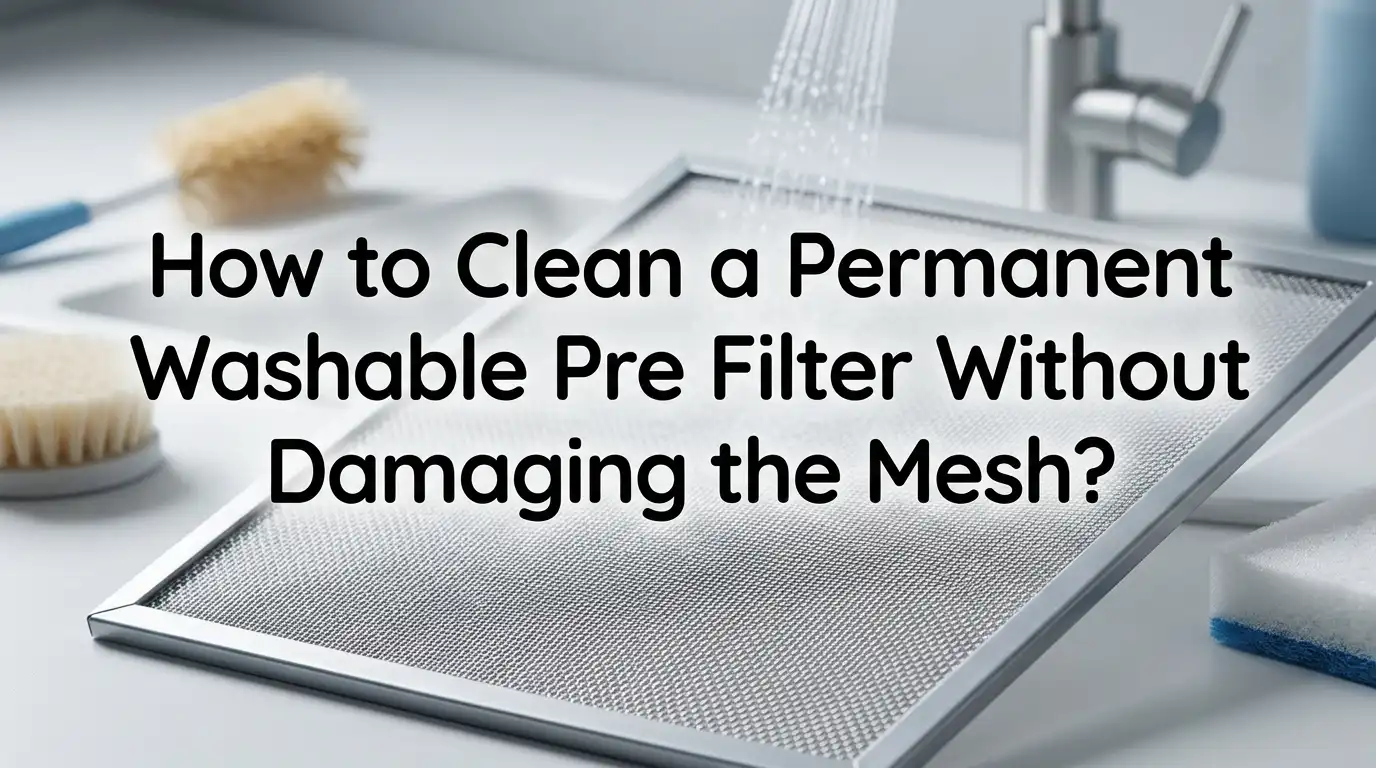
How to Clean a Permanent Washable Pre Filter Without Damaging the Mesh?
Your permanent washable pre filter is one of the hardest working parts of your air purifier or HVAC system. It traps dust, pet hair, pollen, and large airborne particles before they reach the main filter.
But here is the problem. If you clean it the wrong way, you can stretch the mesh, tear the fibers, or reduce its ability to catch debris. A damaged pre filter means your expensive HEPA or carbon filter has to do extra work and wears out faster.
Many people either skip cleaning entirely or scrub too hard with harsh chemicals. Both approaches cost you money and reduce indoor air quality.
Key Takeaways
- Clean your permanent washable pre filter every two to four weeks in a normal household. If you have pets, allergies, or live in a dusty area, clean it every one to two weeks. A clogged pre filter forces your system to work harder and increases energy consumption.
- Always check the manufacturer’s instructions first. Not all pre filters are made from the same material. Some use metal mesh, others use polypropylene or nylon. Each material has different tolerance for water temperature, cleaning agents, and scrubbing pressure.
- Use a vacuum with a brush attachment for routine cleanings. This removes surface dust without any risk of water damage or mesh distortion. Keep the suction on a low setting to prevent pulling or stretching the filter material.
- Mild dish soap and lukewarm water work best for deeper cleanings. Harsh chemicals, bleach, and hot water can break down the mesh fibers or corrode metal screens. A gentle approach preserves the filter’s structural integrity and keeps it effective.
- Never reinstall a damp pre filter. Moisture trapped inside the system can promote mold growth, create musty odors, and damage internal components. Always allow the filter to air dry completely, ideally overnight, before putting it back.
- Inspect the mesh for tears, warping, or fraying after each wash. A pre filter with visible damage will allow unfiltered particles to pass through. Replace it immediately if cleaning no longer restores proper fit and function.
Why Your Permanent Washable Pre Filter Needs Regular Cleaning
A pre filter acts as the first line of defense in any filtration system. It catches the largest particles, like dust bunnies, pet fur, and lint, before they reach the more sensitive filters downstream.
Over time, this debris builds up and creates a thick layer on the mesh surface. That layer blocks airflow, and your system has to push air harder through the clogged filter.
This extra strain raises your energy bills and shortens the lifespan of your main filter. According to HVAC maintenance data, a dirty pre filter can reduce system airflow by up to 25 percent.
Clean pre filters protect the expensive filters behind them and keep your system running at peak efficiency. Regular cleaning also improves indoor air quality, which matters for anyone with allergies or respiratory issues.
Signs That Your Pre Filter Needs Cleaning Right Now
Sometimes you can see the dirt on your pre filter, and sometimes the signs are more subtle. Visible dust buildup on the mesh surface is the most obvious signal. If you hold the filter up to light and can barely see through it, cleaning is overdue.
Reduced airflow from your air purifier or HVAC vents is another clear indicator. You might also notice your system running louder than usual because the fan motor works harder to push air through the blockage.
An increase in allergy symptoms or dusty surfaces around your home can also point to a clogged pre filter. Some air purifiers have an indicator light that turns on after a set number of hours. Do not rely solely on this light. Check the filter visually at least once every two weeks.
Tools and Supplies You Need Before You Start
Gathering the right tools ahead of time makes the cleaning process smooth and safe. You do not need any expensive or specialty products. Here is what works best for most permanent washable pre filters.
A vacuum cleaner with a soft brush attachment handles routine dust removal. For wet cleaning, prepare a basin or sink large enough to fully submerge the filter. Use mild liquid dish soap as your cleaning agent.
A soft bristle brush or old toothbrush helps dislodge stubborn particles from the mesh. Keep a few clean, lint free towels nearby for handling the filter.
Avoid steel wool, abrasive pads, or stiff brushes that can scratch and tear the mesh. If you want to use a natural disinfectant, white vinegar diluted with water is a safe option for most filter materials.
Method 1: Vacuuming for Quick Routine Cleaning
Vacuuming is the fastest and gentlest way to maintain your pre filter between deeper washes. This method works best for light dust and surface debris. It takes only a few minutes and does not require any drying time afterward.
Remove the pre filter from your unit and take it to a well ventilated area, ideally outdoors. Attach the soft brush head to your vacuum. Run the vacuum across both sides of the mesh using slow, even strokes. Keep the suction on a low to medium setting. High suction can stretch or pull delicate mesh material out of shape.
Pros: No water needed, no drying time, very low risk of damage, takes less than five minutes.
Cons: Cannot remove sticky or embedded particles, does not eliminate odors, not effective for heavy buildup. If vacuuming alone does not restore visible airflow through the mesh, it is time to move on to a wet cleaning method.
Method 2: Rinsing with Water for Moderate Buildup
A simple water rinse works well for pre filters with moderate dust and grime. This method uses no chemicals and is safe for virtually all washable mesh types. Hold the filter under running lukewarm water, directing the flow from the clean side to push debris out the dirty side.
Let the water run through the mesh until the runoff looks clear. You can gently tap the frame against the side of the sink to shake loose any stubborn particles. Do not use hot water. High temperatures can warp plastic frames and shrink certain mesh fabrics.
Pros: Simple, chemical free, effective for moderate dirt, safe for most filter materials.
Cons: May not remove grease, oil, or sticky residue. Requires full drying before reinstallation, which can take several hours or overnight. Always shake off excess water and place the filter in a well ventilated area with good air circulation to dry.
Method 3: Mild Soap Wash for Deep Cleaning
For pre filters that have a thick layer of grime, pet dander, or kitchen grease, a mild soap wash gives the best results. Fill a basin or sink with lukewarm water and add a small amount of liquid dish soap. Two to three drops per gallon of water is enough. Too much soap creates residue that is hard to rinse out.
Submerge the pre filter and let it soak for 10 to 15 minutes. This loosens embedded dirt without you needing to scrub aggressively. After soaking, use a soft bristle brush to gently work both sides of the mesh. Brush in one direction rather than scrubbing back and forth, as this reduces stress on the mesh fibers.
Rinse the filter thoroughly under clean running water until all soap residue is gone. Leftover soap can attract dust faster once the filter is reinstalled.
Pros: Removes sticky grime, pet dander, and light grease effectively. Freshens the filter and eliminates mild odors.
Cons: Longer process due to soaking and drying time. Requires complete rinsing to avoid soap residue. Must dry fully before use.
Method 4: White Vinegar Soak for Odor and Bacteria
If your pre filter has developed a musty smell or you want a natural disinfecting option, white vinegar is an excellent choice. Mix one part white vinegar with one part water in a basin. Submerge the pre filter and let it soak for 20 to 30 minutes.
Vinegar breaks down odor causing bacteria and dissolves mineral deposits that plain water cannot handle. After soaking, rinse the filter thoroughly with clean water to remove the vinegar smell. The vinegar scent will disappear completely once the filter dries.
Pros: Kills bacteria naturally, removes odors, dissolves mineral buildup, safe for most mesh materials, inexpensive.
Cons: The vinegar smell during soaking can be strong. Requires thorough rinsing. Not suitable for metal mesh filters that may react with acid, so check your manufacturer’s guidelines first. Some aluminum frames can corrode with prolonged vinegar exposure, so stick to the recommended soak time.
Common Mistakes That Damage the Mesh
Many people damage their pre filters without realizing it. The number one mistake is using harsh chemicals like bleach, ammonia, or strong degreasers. These substances break down mesh fibers, weaken the structure, and can leave behind chemical residues that release fumes when the system heats up.
Scrubbing with stiff brushes, scouring pads, or steel wool is another common error. These tools tear and scratch the mesh, creating holes that let particles pass through. Using a pressure washer or high pressure hose nozzle is equally destructive. The concentrated water stream can stretch or blow out sections of fine mesh.
Reinstalling a wet filter ranks among the worst mistakes. Trapped moisture promotes mold and mildew growth inside your system. Finally, wringing or twisting the filter to squeeze out water distorts the frame and mesh alignment. Instead, gently shake off excess water and let gravity do the rest.
How to Dry Your Pre Filter Safely
Proper drying is just as important as proper cleaning. A damp filter will cause musty odors, mold growth, and potential damage to your air purifier or HVAC system. After washing, shake the filter gently to remove excess water. Do not wring, twist, or press the mesh.
Stand the filter upright in a well ventilated area. Place it near an open window, a fan, or outdoors in a shaded spot. Direct sunlight can degrade certain plastic and nylon mesh materials over time, so shade is the safer option.
Most pre filters dry completely within four to eight hours. Thicker mesh types or humid environments may need overnight drying.
Test the filter by touching the center of the mesh and the frame edges. Both should feel completely dry to the touch. If you need your system running while the filter dries, consider keeping a second pre filter as a backup so you can rotate between the two.
How Often Should You Clean Your Pre Filter
The right cleaning frequency depends on your environment and usage. Most manufacturers recommend cleaning the washable pre filter every 30 days under normal conditions. However, several factors can change this schedule.
Homes with multiple pets should clean the pre filter every one to two weeks because pet hair and dander accumulate quickly. Dusty climates, construction areas, or homes near busy roads also call for more frequent cleaning. During wildfire season or high pollen counts, weekly cleaning keeps your system performing well.
If you run your air purifier 24 hours a day, the filter collects debris faster than in a unit that runs only a few hours daily. A simple habit is to do a quick visual check every Sunday. If you see a visible dust layer, vacuum it off. Schedule a full soap wash once a month to keep the mesh in great condition.
When to Replace Your Permanent Washable Pre Filter
Permanent does not always mean forever. Even the most durable pre filter has a finite lifespan. After many wash cycles, the mesh fibers gradually weaken, stretch, or lose their ability to hold particles.
Replace the pre filter if you see tears, holes, or fraying in the mesh. If the filter no longer fits snugly in its housing, it has likely stretched beyond usefulness.
A pre filter that smells bad even after thorough washing and complete drying has probably absorbed oils or contaminants deep within the fibers. Persistent musty odors after cleaning are a clear sign the filter needs replacement.
Most high quality permanent pre filters last one to three years with regular maintenance. Check your unit’s manual for the recommended replacement interval, and remember that the actual lifespan depends heavily on how often you clean it and the conditions in your home.
How a Clean Pre Filter Saves You Money
Keeping your washable pre filter clean has a direct financial benefit. A clean pre filter improves airflow, which means your system uses less energy to push air through. Lower energy consumption translates to smaller electricity bills, and the savings add up over months and years.
More importantly, a clean pre filter extends the life of your main HEPA and carbon filters. When the pre filter catches most of the large particles, the downstream filters stay cleaner longer. Replacement HEPA filters can cost anywhere from $30 to $80, and carbon filters add to that expense. By cleaning your pre filter regularly, you can extend your main filter’s life by several months.
Your system’s motor also benefits. A clogged pre filter forces the fan motor to work harder, which generates extra heat and increases mechanical wear. Preventing this strain means fewer repairs and a longer overall lifespan for your air purifier or HVAC system.
Step by Step Summary of the Best Cleaning Process
Here is a quick reference you can follow every time you clean your permanent washable pre filter. This process covers everything from start to finish and protects your mesh at every step.
First, turn off and unplug your unit before removing the filter. Take the pre filter outdoors and give it a few firm shakes to dislodge loose dust and debris. Use a vacuum with a soft brush attachment on low suction to remove surface particles from both sides.
Next, fill a basin with lukewarm water and a few drops of mild dish soap. Submerge the filter and soak for 10 to 15 minutes. Gently brush both sides with a soft bristle brush, working in one direction. Rinse under clean running water until no soap remains.
Shake off excess water gently. Stand the filter upright in a shaded, well ventilated space to air dry completely. Check that the mesh and frame are fully dry before reinstalling. Reset the filter indicator light on your unit if applicable.
Frequently Asked Questions
Can I put my washable pre filter in the dishwasher?
No. Dishwashers use very hot water and strong detergent, both of which can warp the frame and degrade the mesh. The high water pressure inside a dishwasher can also stretch or tear fine mesh material. Always hand wash your pre filter with lukewarm water and mild soap for the safest results.
Is it safe to use compressed air to clean a pre filter?
Compressed air can work for quick dust removal, but you need to be careful. Use short, gentle bursts from at least six inches away. Holding the nozzle too close or using continuous high pressure can stretch, distort, or puncture the mesh. Vacuuming with a brush attachment is generally safer for routine cleaning.
Can I use baking soda to clean and deodorize my pre filter?
Yes. Baking soda is a mild and effective deodorizer. Dissolve one to two tablespoons in a basin of lukewarm water and soak the filter for 15 to 20 minutes. Rinse thoroughly afterward. Baking soda is non abrasive and safe for most mesh types. It works well as an alternative to vinegar for people who dislike the vinegar smell.
What happens if I reinstall a pre filter that is still damp?
A damp filter creates an ideal environment for mold and mildew to grow inside your system. It can also cause musty smells to blow through your vents and into your living space. Moisture can damage electronic components in some air purifiers. Always wait until the filter is 100 percent dry before putting it back.
How do I know if my pre filter mesh is too damaged to clean?
Hold the filter up to a bright light source. If you see any holes, tears, or areas where the mesh has thinned out significantly, the filter cannot do its job properly anymore. Also check the frame for cracks or warping. If the filter no longer fits tightly in its slot or has a permanent odor even after thorough cleaning and drying, it is time for a replacement.
Can I use a washing machine to clean my pre filter mesh?
Some fabric style pre filters can go in a washing machine on a gentle, low temperature cycle. However, rigid mesh pre filters with plastic or metal frames should never go in a washing machine. The agitation and spin cycles can bend the frame and damage the mesh. Always check the label or manual for your specific filter before deciding on a cleaning method.

I’m Maya Brown, the voice behind Pure Breeze Vault. I write detailed, honest, and easy-to-follow air purifier reviews to help readers compare features, understand filter technologies, and choose products with confidence. My goal is to make research simpler, clearer, and more practical for anyone improving indoor air quality at home.