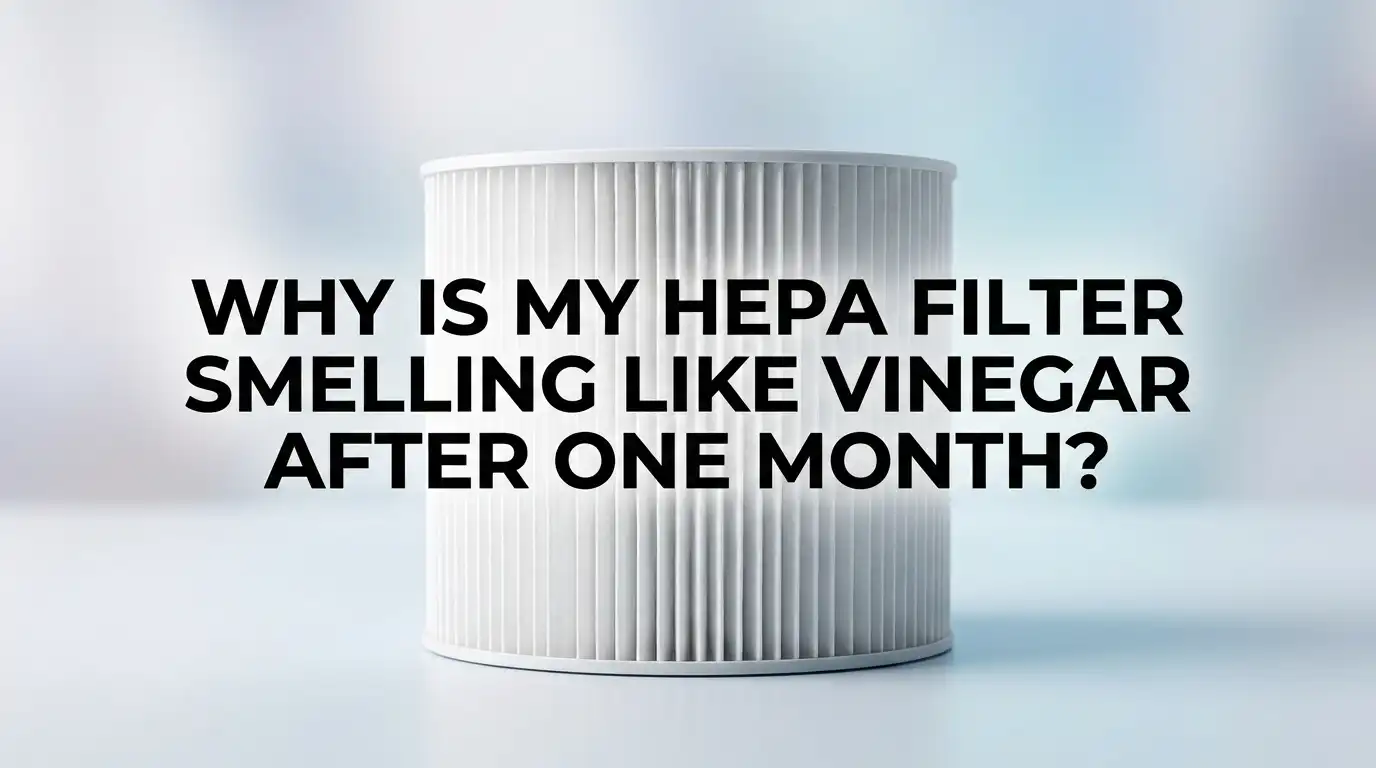
Why Is My HEPA Filter Smelling Like Vinegar After One Month?
You bought a fresh air purifier hoping for cleaner air. Now, just one month later, your HEPA filter is pushing out a sharp, sour vinegar smell. That is frustrating, confusing, and a little worrying.
The good news is that you are not alone, and the problem usually has a clear cause. In most cases, the smell points to trapped moisture, bacteria growth, or chemical buildup on the filter media.
The fix is often simple once you know what to look for. This guide walks you through every likely reason and a step by step solution for each one.
Key Takeaways
- Moisture is the top culprit. A damp filter mixed with trapped dust creates acetic acid, which is the same compound that gives vinegar its sharp smell. Lowering room humidity below 50 percent stops this fast.
- Bacteria, mold, and yeast can grow on a wet filter within weeks. They release sour, acidic gases as they feed on captured dust and pet dander.
- Carbon filter saturation also causes the issue. Once the carbon layer is full of VOCs, cooking fumes, or pet odors, it can release a sour smell back into the air.
- Location matters a lot. Purifiers placed near humidifiers, kitchens, bathrooms, or basements pick up moisture and odors much faster than units in dry living rooms.
- Cleaning the pre filter every two weeks and running the unit on a higher fan speed often fixes the smell without buying a new filter.
- Replacement is needed if the smell stays after cleaning, drying, and lowering humidity. A HEPA filter should not be washed unless the maker says it is washable.
What Causes the Vinegar Smell in a HEPA Filter
The vinegar smell is almost always acetic acid sitting on the filter surface. When dust, skin cells, pet dander, and moisture mix inside the filter, bacteria break them down and release acid as a waste product. This is the same process that turns wine into vinegar in a bottle.
Your HEPA filter traps particles, but it also holds the moisture in the air passing through it. If the room is humid or the filter sits near a kitchen, the trapped organic matter starts to ferment. A new filter going sour in one month is a sign that humidity or contamination levels are high in that space.
Is the Smell Coming from the HEPA Layer or the Carbon Filter
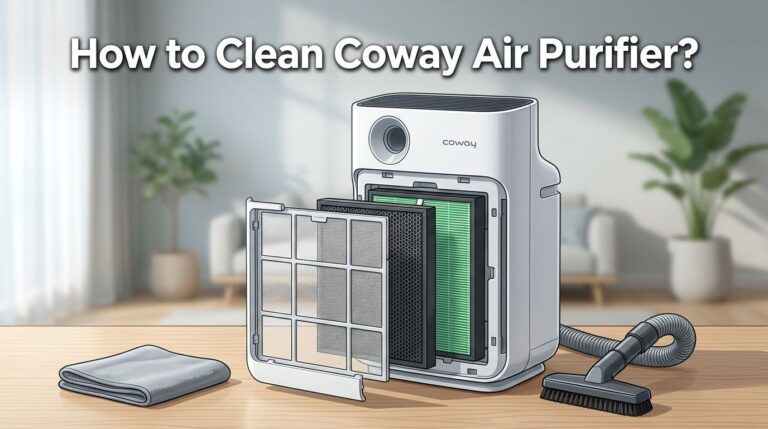
Most air purifiers use two or three filter layers. The pre filter catches large dust. The HEPA layer traps fine particles. The activated carbon layer absorbs smells and gases. Each layer can give off a different odor.
The HEPA layer itself is usually made of glass fibers and does not smell on its own. If the vinegar smell is sharp and chemical like, the carbon filter is the likely source.
If the smell is sour and slightly musty, the HEPA layer has probably grown bacteria or mold. Pull the filter unit out and sniff each layer one at a time. This quick test tells you which part needs cleaning or replacing first.
High Indoor Humidity Is the Number One Cause
A HEPA filter cannot grow bacteria without water. Most homes with this problem have indoor humidity above 55 percent. Air moves through the filter all day, leaving moisture behind on the fibers.
Buy a cheap hygrometer and keep it near the purifier. Aim for a humidity range between 40 and 50 percent. Run a dehumidifier if your reading is higher. Avoid running a humidifier in the same room as your air purifier, since the mist will land on the filter and feed bacteria within days.
Pros of humidity control: Stops the smell at its source, protects your wood furniture, and improves sleep.
Cons of humidity control: A dehumidifier costs money to run and adds another appliance to the room.
Bacteria and Mold Growth on the Filter
If your filter has been damp for more than a week, microbial growth has likely started. Bacteria, yeast, and mold love the dust trapped inside the pleats. They release volatile organic acids as they multiply, and those acids smell exactly like vinegar.
Look at the filter under a bright light. Dark spots, fuzzy patches, or a green tint are clear signs of mold. A clean looking filter that still smells sour usually has bacteria, which you cannot see.
Either way, the filter needs strong drying or replacement. Running the purifier on its highest fan speed for two hours in a dry room can sometimes clear mild bacteria smells by pushing dry air through the media.
The Activated Carbon Filter Is Saturated
Activated carbon works by adsorption, meaning gas molecules stick to its porous surface. After about four to six weeks of heavy use, the carbon pores fill up. Once full, the filter can no longer hold new odors, and trapped smells start leaking back out.
This is very common in kitchens or homes with pets. The released smell often has a sour or vinegar tone because cooking oils, food vapors, and pet urine contain acidic compounds. Sniff the carbon layer directly. If it smells worse than the HEPA layer, the carbon is saturated.
Pros of replacing the carbon layer early: Instant odor relief and better air quality.
Cons of replacing the carbon layer early: Extra cost, and some purifiers force you to replace the HEPA and carbon as one unit.
Off Gassing from a New Filter
Brand new HEPA filters sometimes release a faint chemical smell during the first two weeks of use. This is called off gassing and comes from glues, plastics, and packaging materials. The smell is usually plastic like, but on some filters it can feel slightly sour or sharp.
If your filter is still in its first month and the smell is mild, this could be normal. Run the unit on high speed in a well ventilated room for 48 hours.
Open the windows during this time. Real off gassing fades quickly. If the vinegar smell stays past two weeks or gets stronger, the cause is moisture or bacteria, not off gassing.
Step by Step Cleaning Process for a Smelly HEPA Filter
Most standard HEPA filters cannot be washed with water, because water destroys the fine fiber structure. But you can still clean them safely. Always check the manual to see if your filter is the washable type.
For non washable filters, follow these steps. Turn off and unplug the purifier first. Take out the filter and bring it outside. Use a soft brush or a vacuum with a brush attachment to remove loose dust from both sides.
Place the filter in direct sunlight for two to three hours, since UV light kills bacteria and dries moisture. Wipe the inside of the purifier housing with a dry cloth before putting everything back together.
How to Dry Out a Damp HEPA Filter Safely
A damp filter will keep smelling sour until it is fully dry. Never use a hair dryer on hot, because heat melts the fibers. Instead, place the filter in a dry, sunny spot with good airflow. A balcony or a window sill on a sunny day works well.
Leave the filter for at least four hours, flipping it once halfway through. If sunlight is not available, place a fan on low and aim it sideways across the filter for several hours. Do not lay the filter flat on a wet surface or grass.
Pros of sun drying: Free, kills bacteria with UV light, very effective.
Cons of sun drying: Needs dry weather, takes time, and strong sun can fade the filter frame plastic.
When to Replace the Filter Instead of Cleaning It
Some smells will not go away no matter how much you clean. If the vinegar smell returns within 24 hours of cleaning, the bacteria are deep inside the fibers. Replacement is the only safe fix at that point.
Other signs you need a new filter include reduced airflow, a gray or yellow color on the white fibers, visible mold spots, or strong allergies coming back.
Most makers suggest replacing a HEPA filter every six to twelve months, but heavy use, pets, or smoking can shorten this to three or four months. Keep a spare filter on hand so you do not run the unit with a damaged one.
Best Placement Tips to Stop the Smell Returning
Where you put the purifier matters as much as how you clean it. Keep the unit at least three feet away from walls, curtains, and furniture so air flows freely. Never place it next to a humidifier, kettle, fish tank, or open bathroom door.
Avoid setting the purifier directly on carpet, since dust and pet hair will get sucked in faster. A hard surface like wood or tile works best.
In kitchens, run the range hood while cooking so your purifier does not pull greasy steam through its filters. Move the unit to a drier room overnight if your bedroom gets humid from breathing and body heat.
How Often to Clean Each Filter Layer
A regular cleaning schedule stops smells before they start. Clean the pre filter every two weeks by vacuuming or rinsing it under cold water and drying it fully. The pre filter takes the most dirt, so keeping it clean protects the HEPA layer behind it.
Vacuum the HEPA layer once a month on the dirty side only. Wipe the carbon layer with a dry cloth every month, but never wash it, since water ruins the carbon pores.
Check the inside of the purifier housing every two months for dust, hair, and moisture. Mark these tasks on your phone calendar so you do not forget.
Health Risks of Ignoring the Vinegar Smell
A sour smelling filter is more than an annoyance. The acid gases can irritate your eyes, nose, and throat, especially in small rooms. People with asthma or allergies often feel worse near a smelly purifier, because the unit is now spreading bacteria instead of trapping them.
Long term exposure to mold spores from a dirty filter can trigger sinus infections, coughing, and even skin rashes. Babies, elderly people, and pets are most at risk. If anyone in your home has new respiratory symptoms after the purifier started smelling, replace the filter right away and air out the room for several hours.
Frequently Asked Questions
Can I wash my HEPA filter with vinegar to remove the smell?
No. Vinegar adds more moisture and acid to the filter, which makes the problem worse. It can also damage the fine glass fibers inside the HEPA layer. Stick to dry cleaning, vacuuming, and sunlight drying.
Is the vinegar smell from my HEPA filter dangerous?
A mild smell is not harmful, but a strong, lasting smell can irritate your lungs and spread bacteria. People with asthma, allergies, or weak immunity should replace the filter right away.
How long should a HEPA filter last before it smells?
A good quality HEPA filter should last six to twelve months without strong smells. If yours smells like vinegar in one month, the room has high humidity, heavy contamination, or the filter is defective.
Can I use baking soda to fix a smelly HEPA filter?
You can sprinkle a small amount of baking soda on the pre filter to absorb light odors, but never put it directly on the HEPA layer. Baking soda dust can clog the fine fibers and reduce airflow.
Why does my filter smell worse when the purifier is running?
Air pushes the trapped odors out into the room when the fan spins. A clean filter should not do this. If smells get stronger with the fan on, the filter is saturated or contaminated and needs cleaning or replacement.
Does a more expensive air purifier prevent this problem?
Not always. Even premium units suffer from filter smells if humidity is high or the room has heavy odors. Good placement, humidity control, and regular cleaning matter far more than the price of the machine.

I’m Maya Brown, the voice behind Pure Breeze Vault. I write detailed, honest, and easy-to-follow air purifier reviews to help readers compare features, understand filter technologies, and choose products with confidence. My goal is to make research simpler, clearer, and more practical for anyone improving indoor air quality at home.