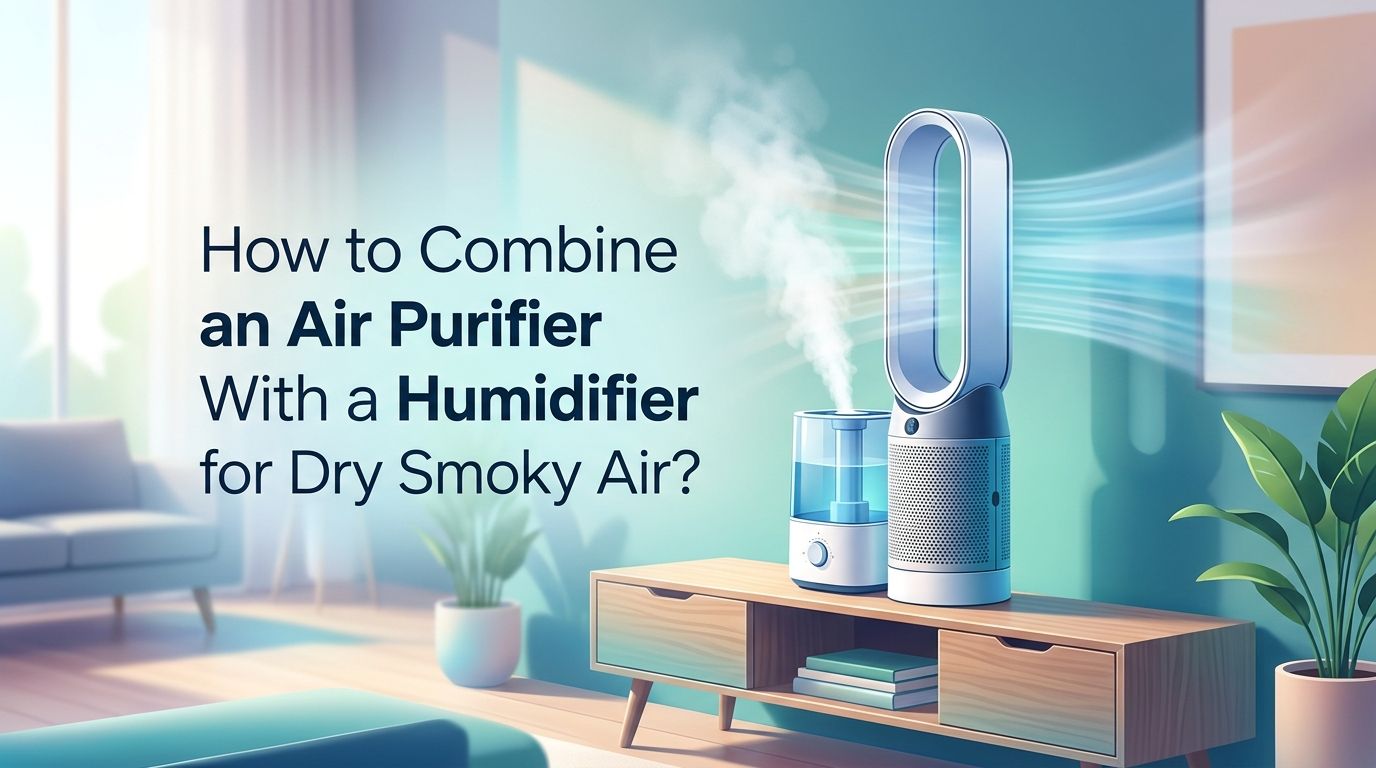
How to Combine an Air Purifier With a Humidifier for Dry Smoky Air?
Wildfire smoke creeps indoors and leaves your home feeling stuffy, hazy, and uncomfortably dry. Your throat scratches. Your eyes sting. Your skin feels tight.
An air purifier alone can trap smoke particles, but it does nothing for the dryness. A humidifier alone adds moisture, but it cannot remove harmful particulate matter. The real solution is to use both devices together in the same space.
Many people worry that running these two appliances side by side will cause problems. Will moisture ruin the purifier’s filter? Will the purifier cancel out the humidifier’s mist?
Key Takeaways
- You can safely run an air purifier and a humidifier in the same room. These devices serve different purposes. The air purifier captures smoke particles and pollutants. The humidifier restores moisture to parched indoor air. Together, they address both problems at once.
- HEPA filters are the gold standard for smoke removal. According to the EPA, HEPA air purifiers can reduce indoor particle concentrations by as much as 85%. True HEPA H13 filters capture 99.97% of particles as small as 0.3 microns, which includes most wildfire smoke particles.
- Keep humidity between 30% and 50%. Health Canada and the EPA recommend maintaining indoor relative humidity in this range during smoke events. Going above 50% can encourage mold growth and actually make air quality worse.
- Distance between your two devices matters a lot. Place the humidifier and air purifier at least three to six feet apart. Point the humidifier’s mist output away from the purifier’s air intake. Excess moisture entering the filter shortens its life and can cause musty odors.
- A 2 in 1 combo device is a convenient alternative. If space is limited, a combination air purifier and humidifier handles both jobs in a single unit. However, standalone devices often deliver stronger performance in each function.
- Monitor air quality and humidity with separate meters. A digital hygrometer and a PM2.5 air quality monitor give you real time feedback so you can adjust both devices as conditions change throughout the day.
Why Dry Smoky Air Is a Serious Indoor Problem
Wildfire smoke contains fine particulate matter known as PM2.5. These tiny particles measure 2.5 microns or smaller and can penetrate deep into your lungs. The Mayo Clinic notes that exposure can trigger coughing, chest pain, headaches, and asthma attacks.
Smoke events also tend to coincide with very dry air. Hot, arid conditions fuel wildfires, and the resulting smoke further strips moisture from your indoor environment. Low humidity irritates your respiratory tract, dries out nasal passages, and makes your body less effective at filtering out those harmful particles naturally.
Running your HVAC system with windows closed keeps some smoke out but also recirculates dry air. This creates a double problem: polluted air that is also uncomfortably dry. Addressing only one issue leaves you vulnerable to the other.
How an Air Purifier Handles Smoke Particles
An air purifier draws indoor air through a series of filters. The most important filter for smoke is a True HEPA filter, which captures 99.97% of airborne particles at 0.3 microns. Wildfire smoke particles typically range from 0.4 to 0.7 microns, making HEPA filtration highly effective.
Many air purifiers also include an activated carbon filter. This layer absorbs volatile organic compounds (VOCs) and gaseous pollutants that HEPA filters cannot catch. During smoke events, the carbon filter handles the smoky smell while the HEPA filter traps the visible and invisible particles.
Research published by the CDC confirms that portable HEPA air purifiers can reduce indoor PM2.5 concentrations by 50% to 80% during wildfire events. Running the purifier on its highest setting during peak smoke hours delivers the best results.
How a Humidifier Restores Moisture to Indoor Air
A humidifier releases water vapor or fine mist into the air to raise the relative humidity level. During dry, smoky conditions, indoor humidity can drop below 20%, which causes dry skin, cracked lips, irritated sinuses, and increased vulnerability to respiratory infections.
There are several types of humidifiers. Evaporative humidifiers use a fan to blow air through a wet wick filter. Ultrasonic humidifiers vibrate water at high frequency to create a fine cool mist. Steam vaporizers heat water to produce warm steam.
Each type adds moisture effectively, but evaporative models are often preferred for use alongside air purifiers. They self regulate to some degree because evaporation slows as humidity rises. This makes it less likely that you will accidentally push humidity levels too high.
Step by Step Guide to Using Both Devices Together
Step 1: Choose a room where you spend the most time. Your bedroom or living room is a good starting point. Close all windows and doors to seal the space.
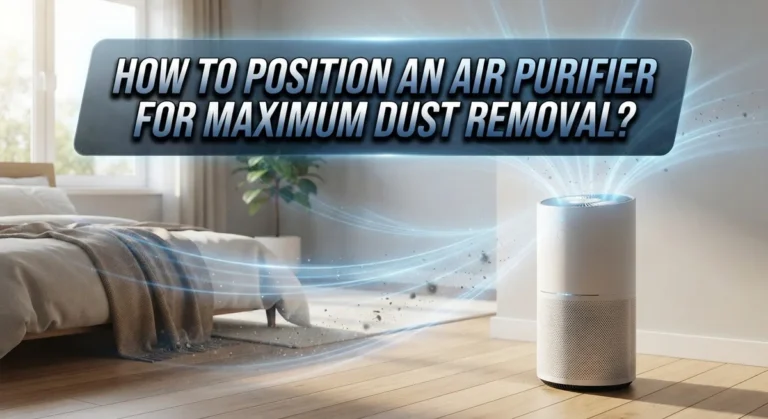
Step 2: Place the air purifier near the center of the room or close to the area where you sit or sleep. Keep it at least six inches from walls. Step 3: Position the humidifier on a raised surface like a table or nightstand, at least three to six feet away from the purifier.
Step 4: Aim the humidifier’s mist output in the opposite direction from the purifier’s air intake. Step 5: Turn on the air purifier first and let it run for 15 to 20 minutes before starting the humidifier. This clears the initial burst of particles from the room.
Step 6: Set your humidifier to maintain a target humidity of 40% to 45%. Use a hygrometer to check levels every few hours.
Placement Tips for Maximum Effectiveness
Correct placement prevents the two devices from working against each other. The biggest risk is moisture entering the air purifier’s HEPA filter. Damp HEPA filters lose efficiency, develop mold, and produce unpleasant smells.
Place the humidifier on the opposite side of the room from the purifier whenever possible. If the room is small, make sure the humidifier’s mist output points away from the purifier’s intake vent. Even a distance of three feet with the mist directed away significantly reduces the risk.
Keep both devices away from corners and tight spaces. Air purifiers need open airflow around all sides to circulate air properly. Humidifiers placed in corners can create pockets of excessive moisture on nearby walls, which leads to mold growth over time.
Choosing the Right Type of Humidifier for Smoky Conditions
Evaporative humidifiers work well alongside air purifiers because they release invisible water vapor rather than visible mist. This reduces the chance of mineral dust settling on the purifier’s filter. They also self regulate, slowing evaporation as humidity rises.
Pros: Self regulating, no white dust, lower risk of over humidifying.
Cons: Wick filters need regular replacement, fan noise may be noticeable.
Ultrasonic humidifiers produce a silent, fine mist and are very energy efficient. However, they can release white mineral dust if you use tap water, which adds extra particles for your air purifier to handle.
Pros: Very quiet, energy efficient, affordable.
Cons: Can produce white mineral dust, requires distilled water for best results, no self regulation.
Steam vaporizers are effective but use more energy and produce warm mist that can raise room temperature. They are a good choice for cold, smoky nights but less ideal for warm climates.
Choosing the Right Air Purifier for Smoke
Look for an air purifier with a True HEPA filter rated H13 or higher. This filter grade captures at least 99.97% of particles at 0.3 microns. Some purifiers label their filters as “HEPA type” or “HEPA style,” but these do not meet the true HEPA standard and perform significantly worse.
An activated carbon filter is essential for smoke. Carbon adsorbs gaseous pollutants and odors that pass right through a HEPA filter. Look for a purifier with a thick carbon filter bed rather than a thin carbon sheet, because thicker carbon provides longer lasting odor control.
Check the Clean Air Delivery Rate (CADR) for smoke. A higher CADR number means the purifier cleans air faster. Match the CADR rating to your room size. The general rule is that the CADR should be at least two thirds of the room’s square footage for effective smoke removal.
Should You Buy a 2 in 1 Combo Device Instead
A 2 in 1 air purifier and humidifier combo handles both tasks in a single unit. This saves space, reduces cord clutter, and eliminates the need to worry about device placement and mist direction.
Pros of combo devices: Space saving, integrated controls, no placement conflicts between separate units, often include automatic humidity sensors.
Cons of combo devices: Individual functions may be weaker than dedicated units, filter replacement can be more expensive, if one function breaks the entire device may need repair.
Combo devices work well for bedrooms and small offices. For larger living spaces or during intense smoke events, dedicated standalone units usually deliver stronger performance. Each standalone device can be sized independently for the room’s specific needs.
How to Monitor and Adjust Your Settings
A digital hygrometer is an inexpensive tool that displays real time humidity readings. Place it on a shelf between your humidifier and purifier to get an accurate average reading for the room. Aim to keep humidity between 30% and 50% at all times.
A PM2.5 air quality monitor tracks particle levels in your indoor air. During heavy smoke events, watch for readings above 35 micrograms per cubic meter. If readings stay high, increase the purifier’s fan speed or add a second unit.
Check both readings every few hours throughout the day. Smoke intensity changes as winds shift, and indoor humidity fluctuates as you open doors, cook, or shower. Adjust settings proactively rather than waiting until you feel uncomfortable or notice symptoms.
Maintenance Routine for Both Devices During Smoke Season
Air purifier filters clog faster during smoke events. Check your HEPA filter every two weeks instead of the usual monthly check. A gray or dark discoloration indicates heavy particle loading. Replace the filter if airflow feels weak or the motor sounds strained.
Replace the activated carbon filter more frequently during prolonged smoke exposure. Carbon becomes saturated and stops absorbing odors. If you can smell smoke in a room with the purifier running, the carbon filter likely needs replacement.
Clean your humidifier’s water tank every three days during active use. Stagnant water breeds bacteria and mold, which the humidifier then sprays into the air. Use distilled water to reduce mineral buildup and white dust. Wipe down the base and internal components with a diluted vinegar solution weekly.
Common Mistakes to Avoid
Placing the humidifier too close to the purifier is the most frequent error. Moisture entering the HEPA filter causes mold, reduces filtration efficiency, and shortens the filter’s lifespan. Always maintain at least three feet of distance with the mist aimed away.
Running the humidifier above 50% humidity creates conditions that encourage mold and dust mite growth. This adds new air quality problems on top of the smoke. Use a hygrometer and never rely on guessing.
Ignoring filter replacement schedules during smoke events is another common mistake. Smoke particles fill filters much faster than normal dust. A clogged filter forces the motor to work harder, increases energy consumption, and reduces air cleaning performance dramatically.
Using tap water in an ultrasonic humidifier disperses mineral particles into the air. These particles show up as white dust on surfaces and add to the purifier’s workload. Always use distilled or demineralized water.
Extra Tips for Cleaner Air During Smoke Season
Seal gaps around windows and doors with weather stripping or draft stoppers. Even small gaps allow smoky outdoor air to infiltrate your home continuously.
Create a designated clean room in your house. The EPA recommends choosing one room, closing it off, and running your air purifier and humidifier there. Spend as much time as possible in this room during heavy smoke days.
Avoid activities that add particles to indoor air. Cooking on a gas stove, burning candles, and vacuuming without a HEPA vacuum all increase indoor particle levels. These activities counteract the work your air purifier is doing and force it to work harder.
Run your bathroom exhaust fans sparingly during smoke events. These fans create negative pressure inside your home and pull smoky outdoor air in through cracks and gaps. Only use them briefly during showers.
Frequently Asked Questions
Can I run an air purifier and humidifier at the same time in the same room?
Yes, you can safely operate both devices simultaneously. They serve different functions and do not interfere with each other when placed correctly. Keep them at least three to six feet apart and direct the humidifier’s mist away from the air purifier’s intake to protect the filter.
Will a humidifier remove smoke from the air?
No. A humidifier adds moisture to the air but does not filter or remove smoke particles. Breathe California confirms that humidifiers will not significantly reduce airborne particles during a smoke event. You need an air purifier with a True HEPA filter to remove smoke particulate matter.
What humidity level should I maintain during wildfire smoke events?
Health experts recommend keeping indoor humidity between 30% and 50%. The sweet spot for most people is around 40% to 45%. Staying within this range keeps your respiratory passages moist enough to filter particles naturally while preventing mold and dust mite growth.
How far apart should I place my air purifier and humidifier?
Keep them at least three to six feet apart. Position the humidifier’s mist output so it points away from the purifier’s air intake. In larger rooms, placing them on opposite sides of the space is the ideal arrangement.
How often should I replace my air purifier’s filter during smoke season?
Check your HEPA filter every two weeks during active smoke events. Under normal conditions, HEPA filters last six to twelve months. During heavy smoke exposure, they may need replacement every two to three months. Replace the activated carbon filter when you start smelling smoke indoors despite the purifier running.
Is a 2 in 1 combo device as effective as using separate units?
A combo device is convenient and works well for small rooms. However, dedicated standalone devices typically deliver stronger filtration and humidification performance. If you are dealing with heavy smoke in a large room, separate units are the better choice for maximum air quality improvement.

I’m Maya Brown, the voice behind Pure Breeze Vault. I write detailed, honest, and easy-to-follow air purifier reviews to help readers compare features, understand filter technologies, and choose products with confidence. My goal is to make research simpler, clearer, and more practical for anyone improving indoor air quality at home.